


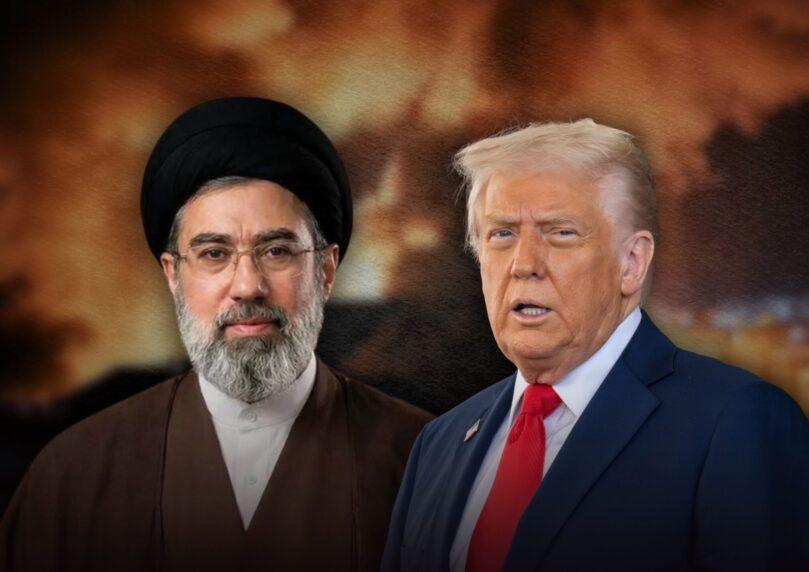

President Donald Trump decided at the last minute to cancel a planned strike on Iran following a series of diplomatic developments and pressure from Washington’s Gulf allies. That’s according to a report published Sunday in the Wall Street Journal, which reveals the intense behind-the-scenes contacts in the hours leading up to the decision.
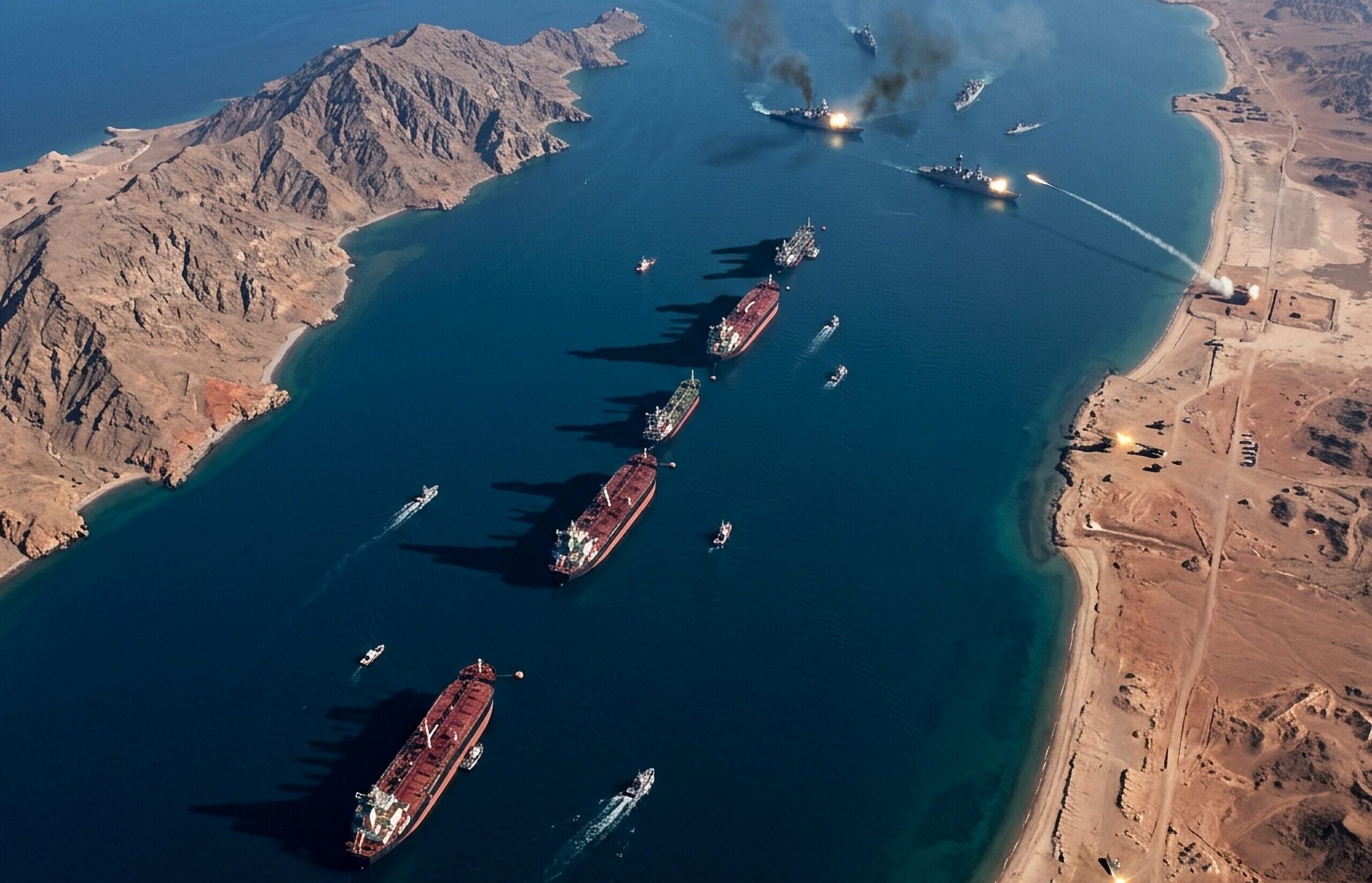
According to the report, one of the key factors influencing Trump was significant progress in talks Qatari mediators held with Iran. On Saturday, a new proposal was delivered to Tehran aimed at resolving the opening of the Strait of Hormuz—a strategic shipping route through which roughly 20% of the world’s oil supply passes. Iranian diplomats responded positively to the proposal, raising hopes that a compromise could be reached and escalation avoided.

 1+
1+An Iranian source confirmed to the paper that Tehran expressed willingness to examine the proposal, but clarified that no final decision has been made. One of the main sticking points remains Iran’s demand to collect transit fees from vessels crossing the Strait of Hormuz—a demand Washington rejects.
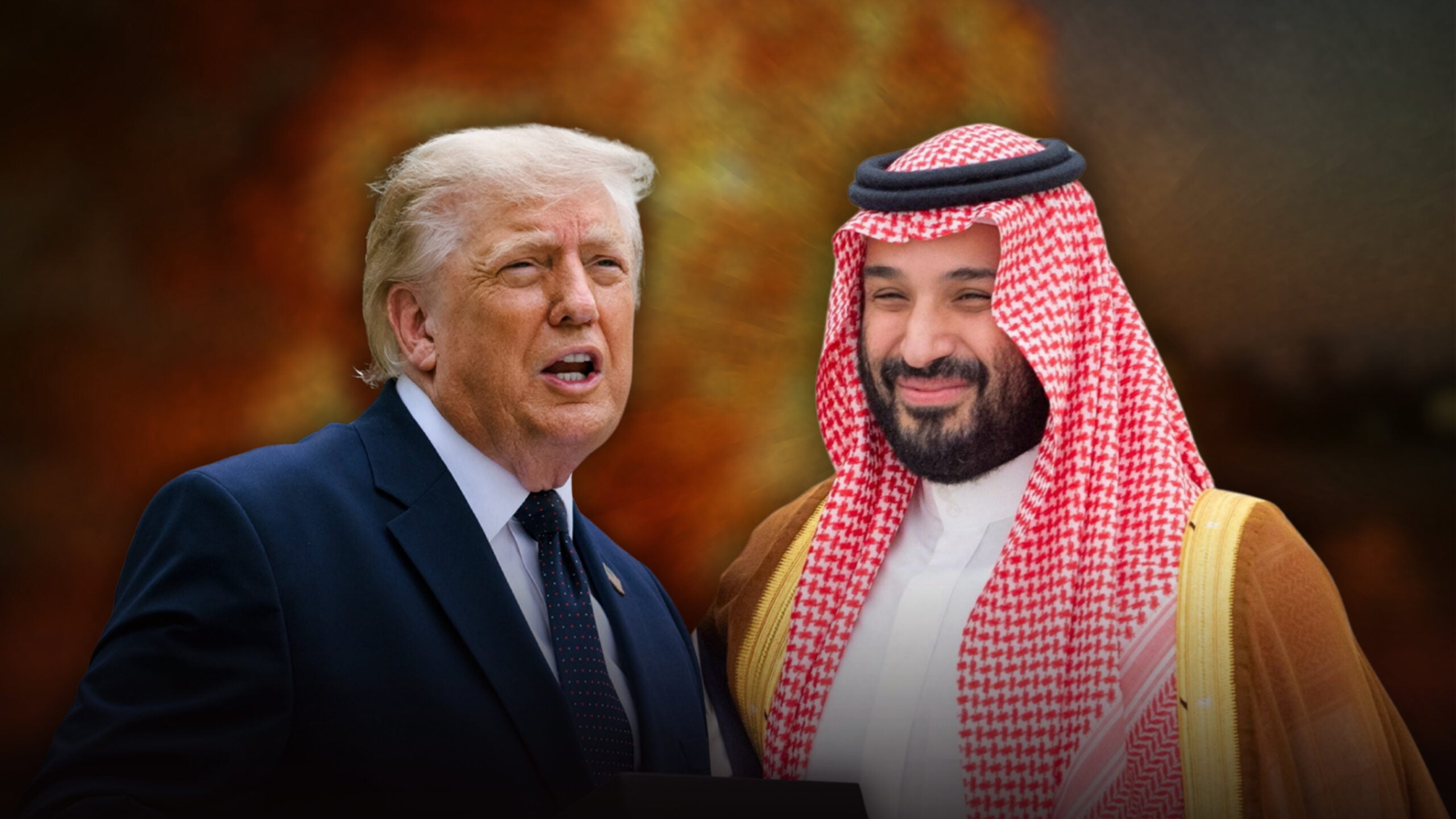
The report claims that just hours before Trump’s announcement, Saudi Crown Prince Mohammed bin Salman spoke with him and urged him to choose the diplomatic path. According to sources familiar with the details, bin Salman warned that further escalation could destabilize the region and asked for a clearer picture of American strategy and the planned strike.
Meanwhile, Gulf states expressed frustration over the lack of a clear American strategy for managing the confrontation. According to the report, they asked Washington to strengthen air defense systems and provide additional security guarantees, fearing continued fighting would lead to Iranian attacks on their territory.
Not all Gulf states supported the restraining approach, however. According to the Wall Street Journal, the United Arab Emirates sent messages to the White House in recent days saying military pressure on Iran should be increased, based on the assessment that the Revolutionary Guards won’t agree to compromise without a more forceful American move.
 1+
1+The Iranian side also sent tough messages. Foreign Minister Abbas Araghchi made clear in conversations with regional counterparts that if the United States or Israel launch an attack, Iran will respond forcefully and hold Washington responsible for all consequences.
Alongside security considerations, the report points to political calculations as well. Israeli officials estimate that Trump currently prefers to achieve a deal that would present a diplomatic achievement, rather than be dragged into a large-scale war in the Middle East. Additionally, polls in the United States show public opposition to a campaign against Iran and concern that escalation would hurt Republican standing ahead of the midterm elections.
According to the report, Tehran is closely monitoring political developments in the United States and believes it can exploit internal pressures on Trump. An Iranian source even claimed that if diplomatic efforts fail, the Revolutionary Guards are considering preemptive strikes—even without an American attack first.