


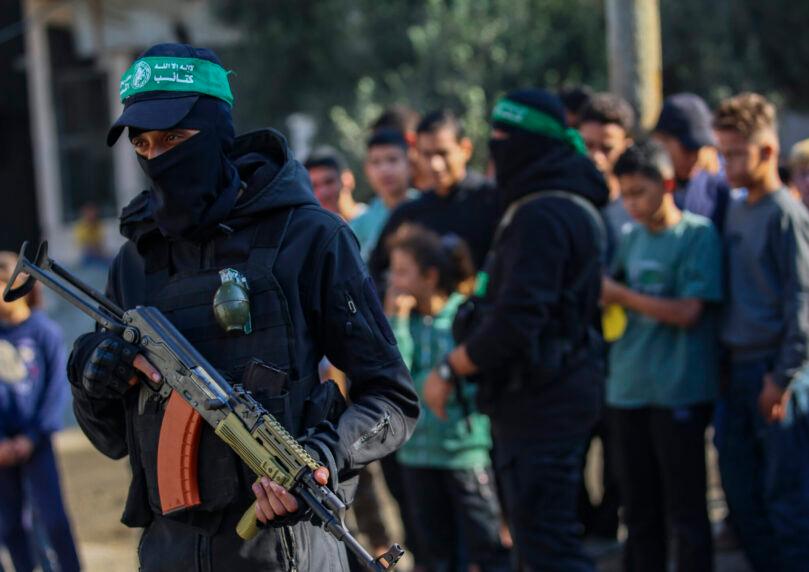

Following President Donald Trump’s announcement that Hamas has agreed to disarm, the Peace Council released details Friday of the emerging disarmament framework and how the process is expected to unfold in practice.
Under the framework, disarmament will be completed through implementation of Articles 7, 8, and 9 of the agreement, covering police weapons, heavy weapons, tunnels and production sites, and personal firearms. At the end of the process—expected to take months, not years—the only entity holding weapons in Gaza will be the Technocratic Committee, under close supervision of the ISF, a task force commanded by American General Jasper Jeffers. This is a critical turning point in the agreement: Hamas and all other organizations will no longer possess weapons.


 4+
4+Additionally, weapons surrendered by the organizations won’t remain in their hands. They’ll be transferred to the committee, which will store them in a location beyond Hamas’s reach and under ISF supervision. The official language in the document defines this as “decommissioning,” ensuring the weapons undergo a process that prevents them from returning to operational use in the future. To verify that Hamas and Palestinian Islamic Jihad are actually surrendering all weapons, a monitoring committee will be established to track implementation, with the ISF under General Jeffers ensuring the process is fully completed.
 4+
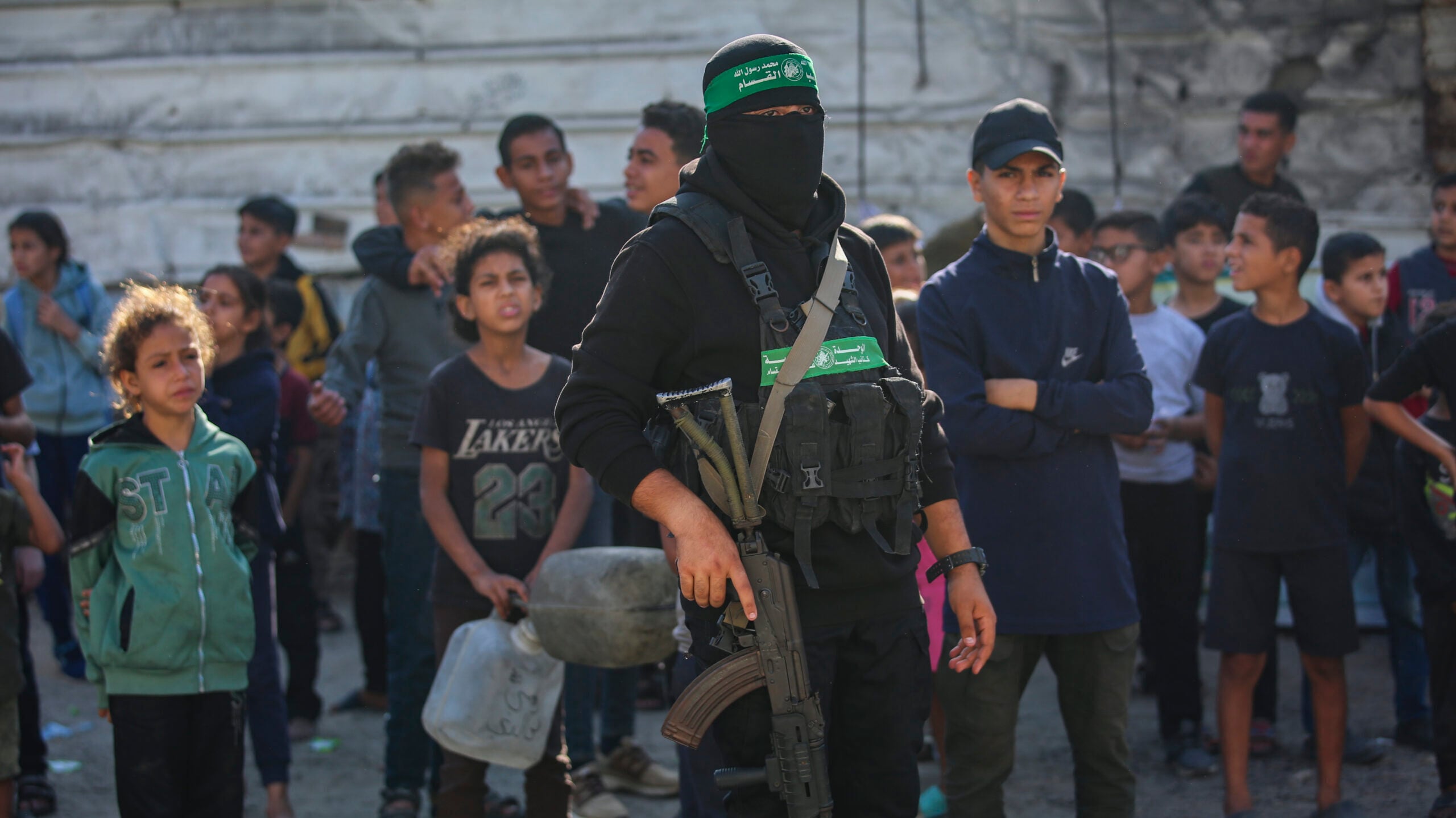
4+As part of this, Hamas is required to hand over tunnel blueprints and production sites, with the agreed principle stipulating that all weapon types, infrastructure, and arsenals will be removed from the organizations and transferred to the committee. The complex process isn’t based on trust between the parties, but on absolute reciprocity at every stage. Israel won’t withdraw from the agreed Yellow Line before Hamas surrenders its weapons, and conversely Hamas won’t surrender weapons before Israel stops targeted killings and returns to humanitarian commitments regarding aid trucks, which it hasn’t met in recent months.
The first thing Hamas is required to do is immediately cease all military activity, including fortification, armament, and recruitment. A senior official notes that while skepticism exists in Israel, this is the same team that delivered the hostage and bodies deal contrary to early predictions. On the day Hamas announces it’s giving up its weapons and rule in Gaza, a historic event occurs with potential to change reality for the better in Israel, Gaza, and the entire region—which could also help expand the Abraham Accords, partly stalled because of the Palestinian issue.
 4+
4+Meanwhile, Israel is required to uphold the understandings of Trump’s 20-point deal it signed, with the central principle set by the American president being that withdrawal will come only after disarmament. Regionally, this is a severe blow to Iran, which is trying to torpedo the agreement. This is the first time in history that a jihadist terror organization has reached a detailed agreement to voluntarily disarm—a move contrary to the entire ethos of warfare and sacrifice unto death. While the implementation test is paramount, the agreement itself is considered dramatic and reality-changing.
Alongside the framework details released by the Peace Council, Hamas issued an official statement saying that “the movement and Palestinian factions dealt responsibly and positively with the negotiation process and with mediators’ proposals to complete implementation of the second phase of the ceasefire agreement.” According to Hamas, this reflected a spirit of partnership and responsibility aimed at protecting the people of Gaza and preserving what it described as their national rights.
 4+
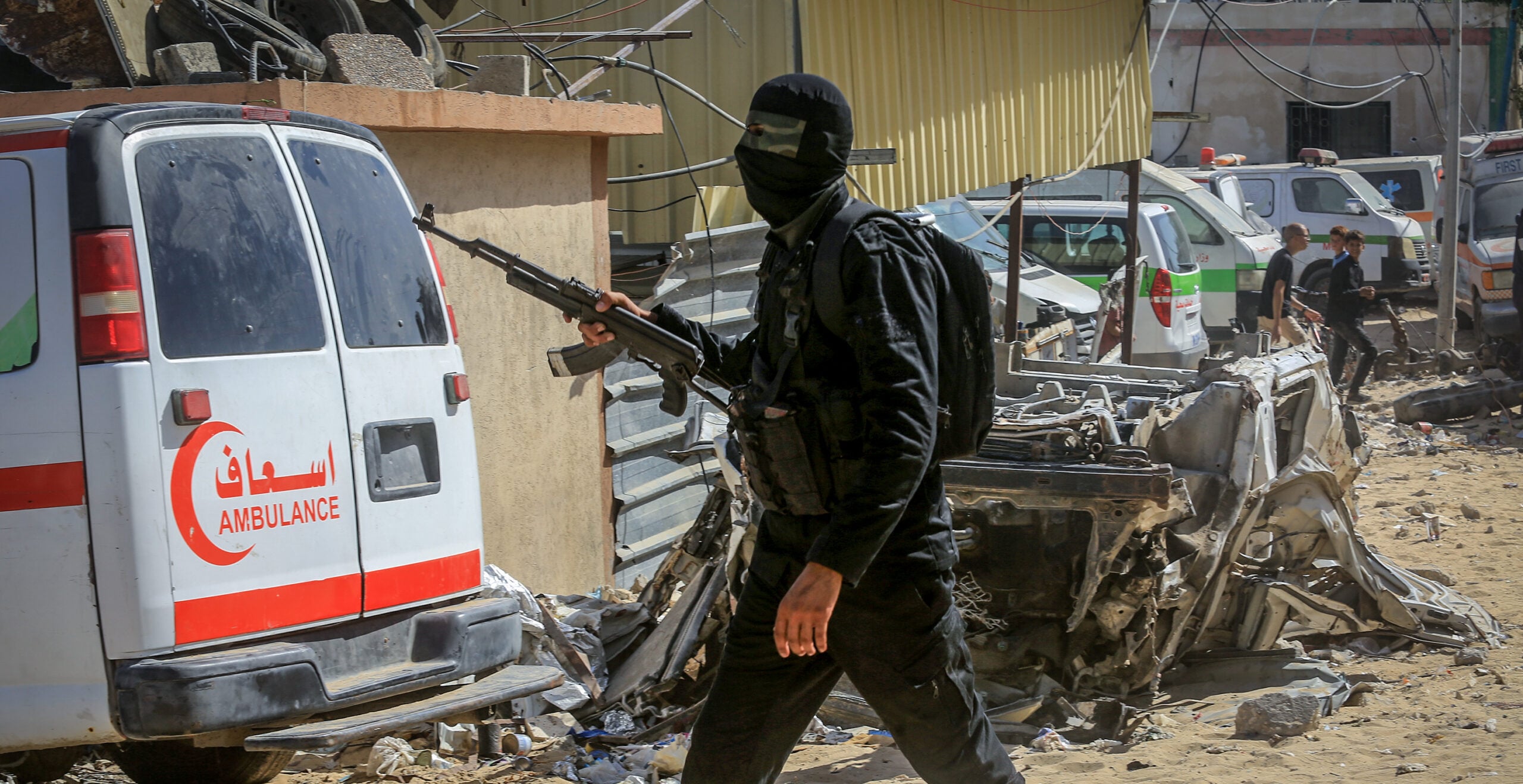
4+Contrary to Trump’s framework details, Hamas emphasized that “the ‘occupation’s’ commitment to stop the killing and end its aggression” is a necessary basic condition and the first step toward implementation, and that including the heavy weapons issue in the agreement was linked and conditioned on complete cessation of “all forms of aggression, withdrawal from the Gaza Strip, entry of the administrative committee, deployment of international defense forces, dismantling of armed gangs and militias established by the occupation, reconstruction, and guaranteeing the right to establish an independent Palestinian state.”
They further claimed that “the entire process is not based on trust but on absolute reciprocity—with Israel not withdrawing from the agreed Yellow Line before Hamas actually surrenders its weapons.” Meanwhile, Hamas is required to immediately cease all military activity, including fortification, recruitment, and weapons production, while Israel will return to humanitarian commitments and stop targeted killings.
 4+
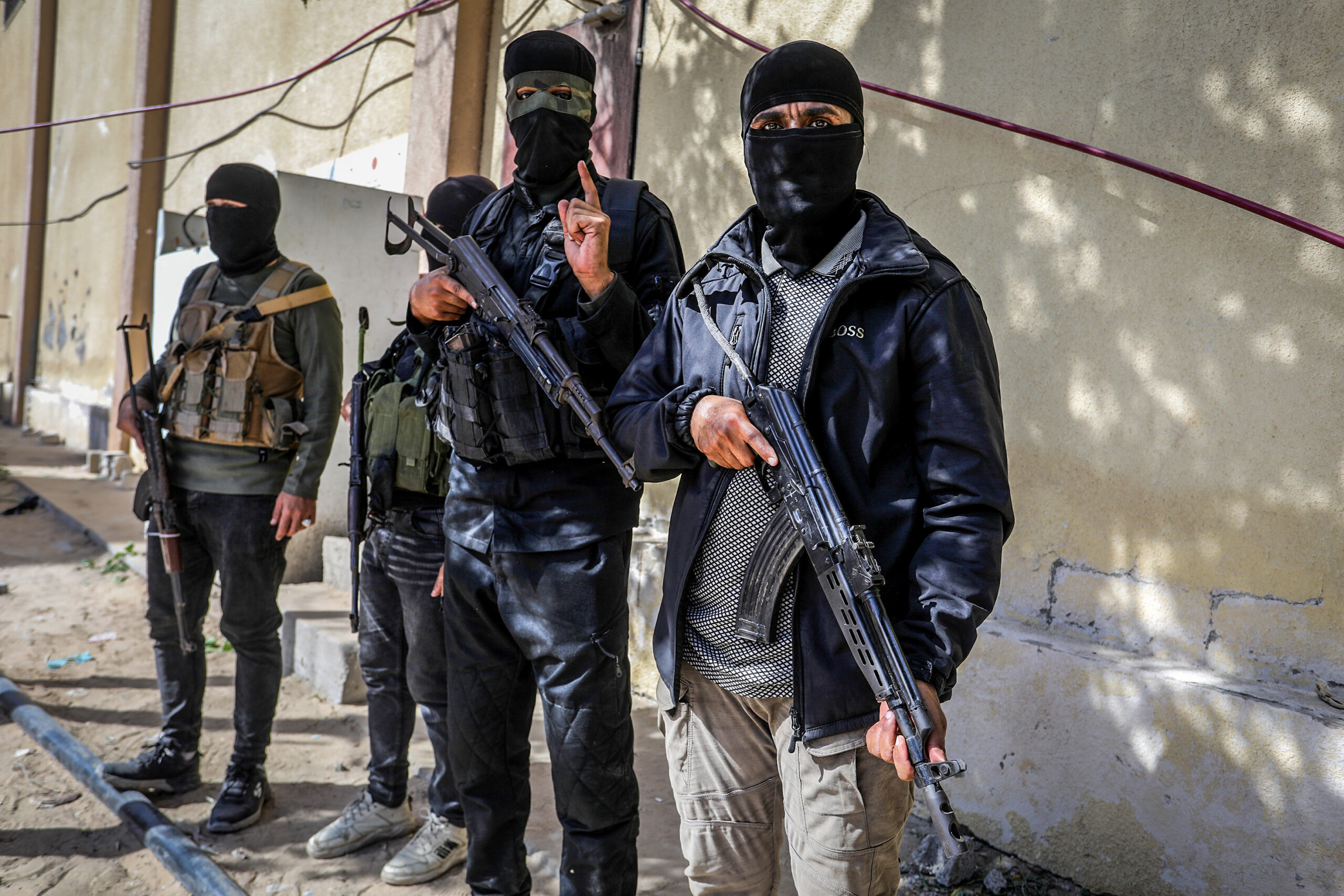
4+Despite the gaps between the two positions, a senior official told Channel 14 that the negotiating team had already demonstrated its ability to deliver the previous hostage and bodies agreement and believes this framework could become the first time a jihadist terror organization voluntarily disarms. According to the official, Hamas relinquishing both its weapons and its rule over Gaza could reshape the regional landscape, strengthen the Abraham Accords, and deal a significant blow to Iran, which has sought to derail the agreement. While the true test will be implementation, the official described the framework itself as a historic and potentially reality-changing development.