



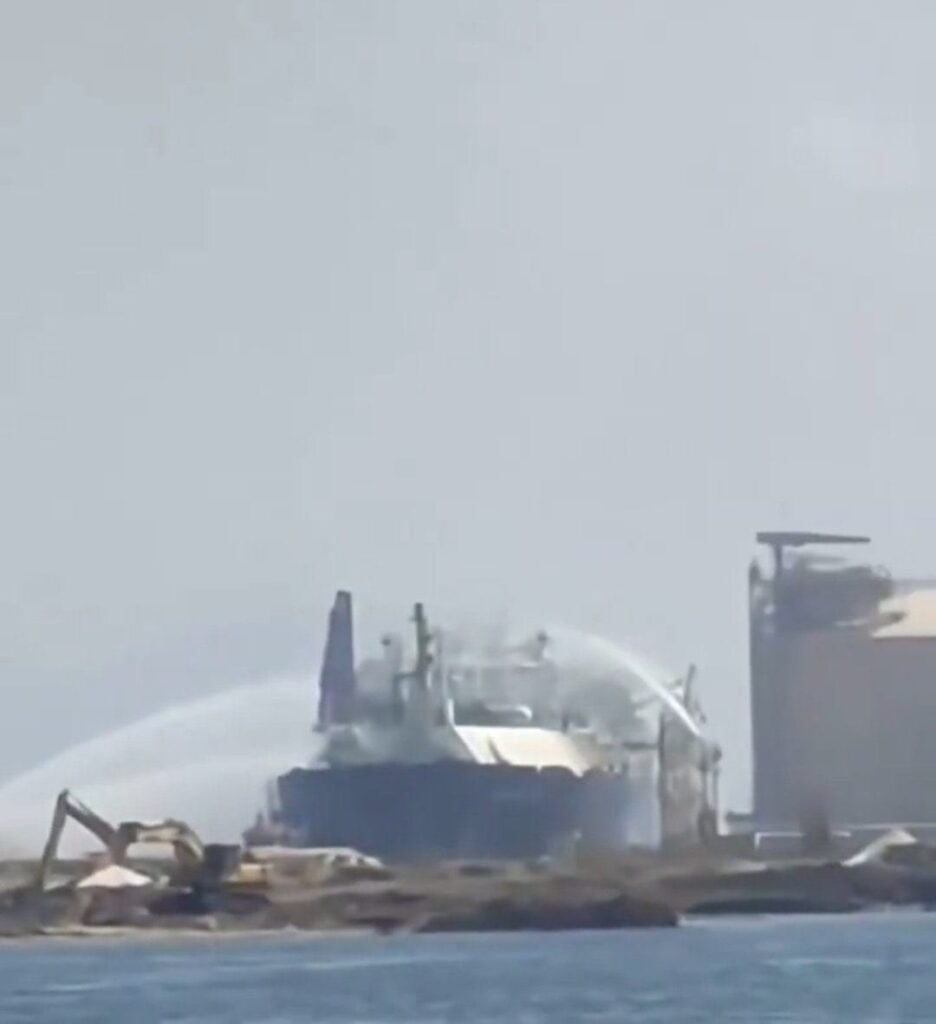
A drone struck an American-owned floating gas storage tanker called Energos Winter at Egypt’s Damietta port on the Mediterranean coast yesterday (Wednesday), as regional escalation continues with Iranian missile launches at US forces in Jordan and joint American-Saudi strikes against militias in Iraq.
دى فضيحة تانية ياسيسي
ازاى المسيرة دخلت من الحدود المصرية و ضربت ناقلة الغاز الأمريكية فى دمياط تحت السيادة المصرية pic.twitter.com/EabkgQoc65— هايدى زيدان (@3m4710) July 29, 2026
According to the initial assessment by British maritime security firm Ambrey, the strike occurred during liquefied gas unloading operations. The resulting fire spread to another tanker, crews were evacuated, the fire burned, and the vessels were moved away from the terminal. No casualties were reported and no group has officially claimed responsibility for the incident.
Egypt’s petroleum ministry confirmed that a fire broke out on vessels at the port and that the incident was immediately handled by firefighting and security teams, but completely ignored the cause of the fire. Security sources and trade industry sources confirmed to Reuters that the strike was caused by a drone. Addressing the incident, President Donald Trump said he had been briefed on what happened, called it “more of the same,” and declared that the United States would respond forcefully.

 2+
2+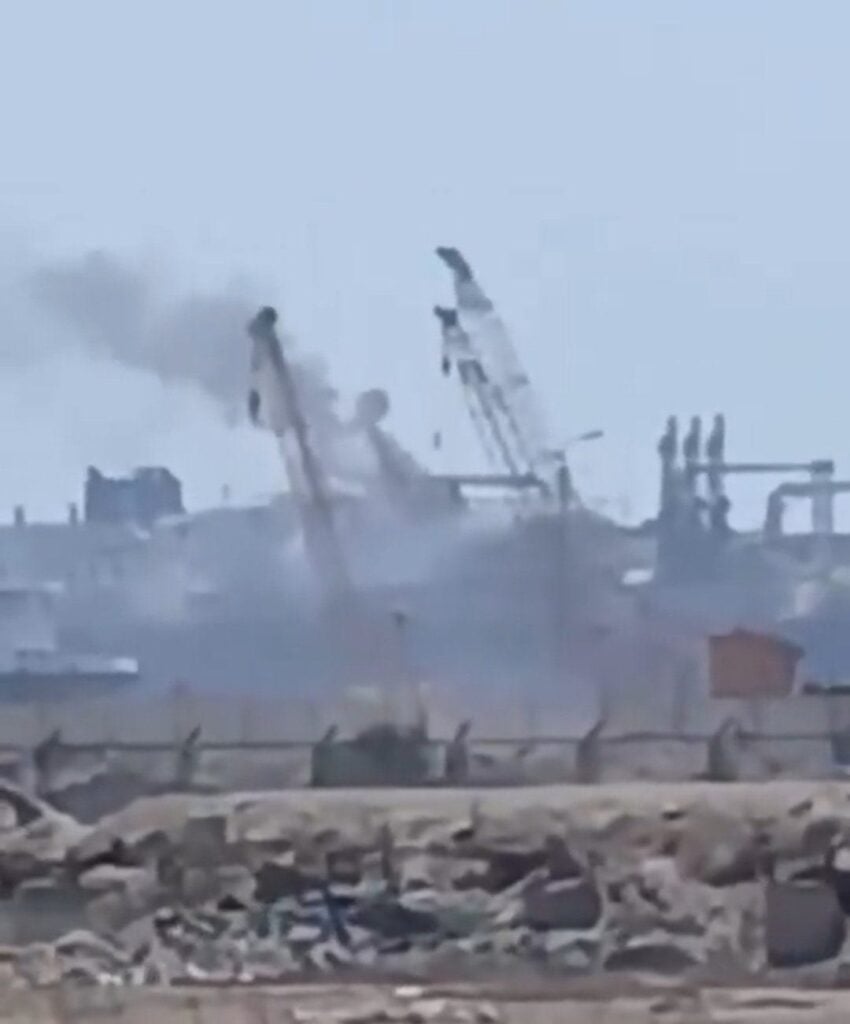 2+
2+The incident shifts the confrontation zone north to the Mediterranean, demonstrating that energy infrastructure in this area is not immune and could endanger additional supply routes to Europe. Although the physical damage was limited and the port quickly returned to operation, the very fact of a strike at one of Egypt’s liquefied gas export hubs raises the perceived risk level, affects maritime insurance premiums, and undermines stability in energy markets.
Additionally, the attack exposed a massive gap between Egypt’s longstanding rhetoric about “the strongest army” and advanced defense systems versus the reality in which a drone quietly penetrated a major port, while authorities try to explain it as a “machine room malfunction” and Egyptians remain deeply embarrassed, burying their heads in the sand.
2+Moreover, Cairo’s cautious policy faces a sharp dilemma following a strike on an American asset on its territory, forcing it to decide how to respond without being dragged deeper into the conflict and without endangering its stability and standing. The incident occurring simultaneously with additional attacks in the region heightens fears of a cycle of responses, particularly given Trump’s signal of a strong American response that could widen the circle of confrontation.
Ultimately, the attack reflects Iran’s strategy operating on a “burn it all down” framework out of an aspiration for total anarchy, on the assumption that only economic pressure through the energy market and distress can stop the war and pressure the US president.