


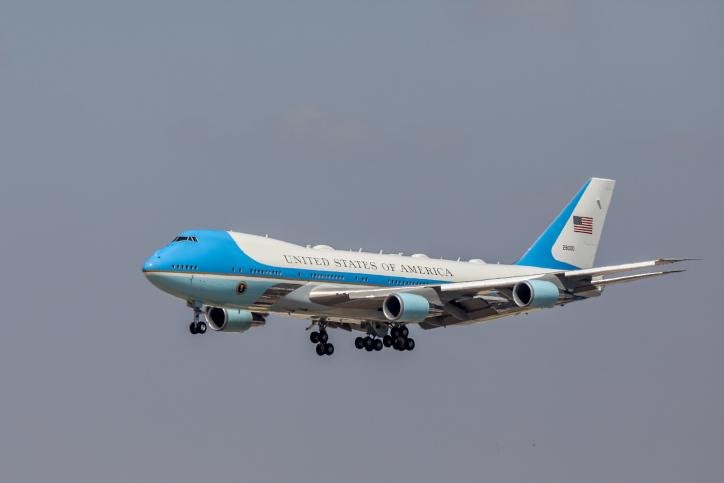

In the midst of an exceptionally tense week, immediately after the return of the remains of four American soldiers killed in combat against Iran, President Donald Trump convened a classified emergency meeting aboard Air Force One with senior defense officials. The administration is debating whether to adopt Central Command chief Admiral Brad Cooper’s plan for a massive two-week air campaign or pursue diplomatic channels, but American forces have already launched a broad offensive in response to the sudden missile barrage from Tehran that killed their soldiers in Jordan, the Wall Street Journal reported Thursday.

 2+
2+Aboard the presidential aircraft, near grieving families who sat there following the somber welcome ceremony in Delaware, a critical debate unfolded over the future of the campaign. On one side stood Admiral Brad Cooper, CENTCOM commander, pushing for a go-all-the-way strategy—an intensive air campaign lasting ten to fourteen days aimed at neutralizing Iran’s entire missile array, which he argues would reduce the need for air defense systems.
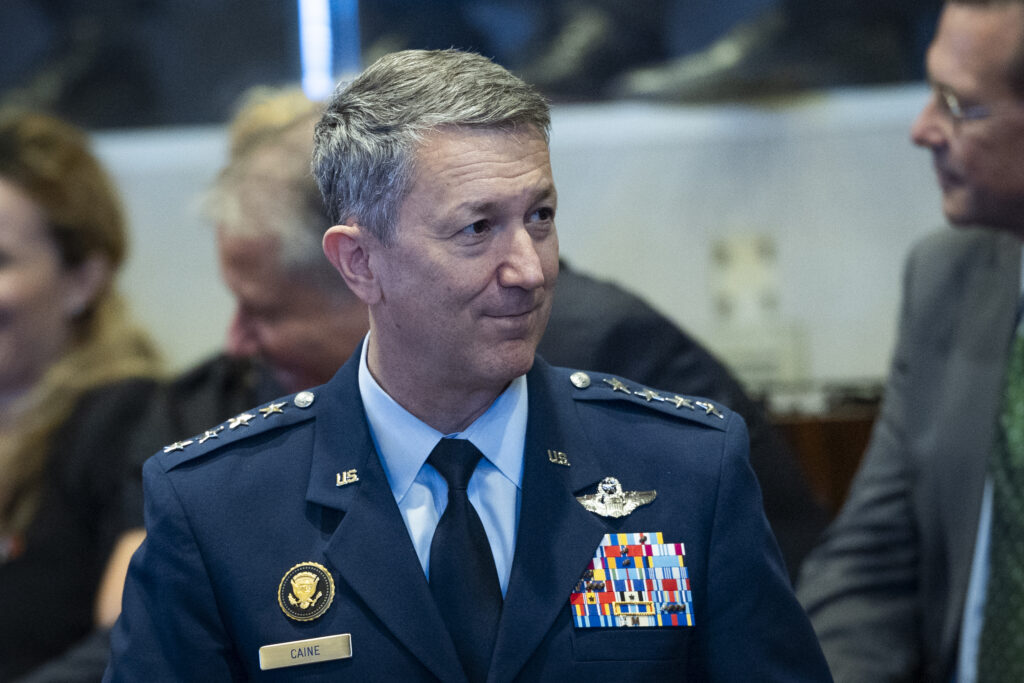
On the other side, Chairman of the Joint Chiefs of Staff General Dan Cain represented a more cautious position, pointing to broader implications and America’s depleting stockpile of interceptor missiles needed in other theaters worldwide, such as China, North Korea, and Russia.
 2+
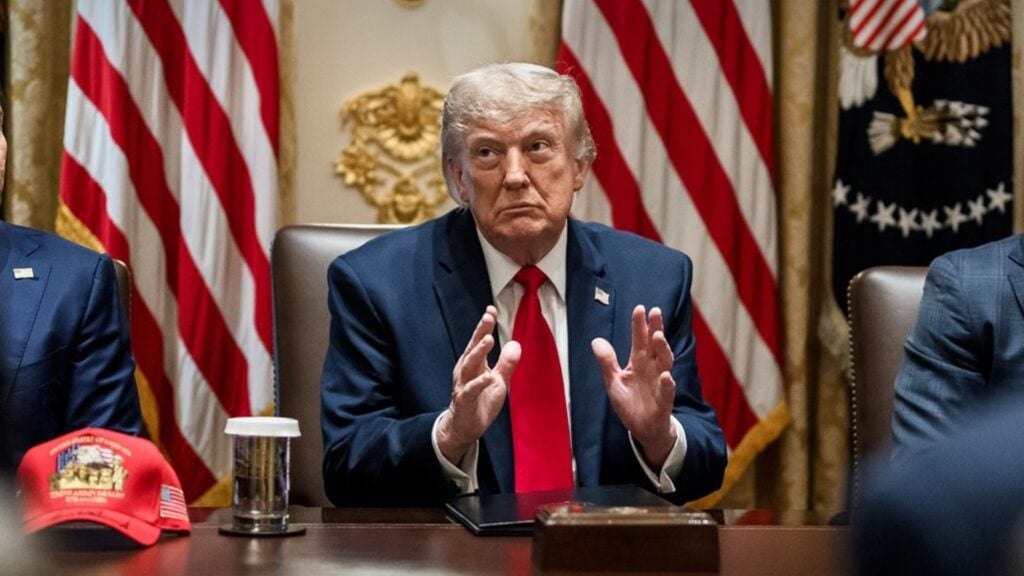
2+Despite internal disagreements and Trump’s frustration with renewed threats from Tehran—including closing maritime routes, laying naval mines, and deadly missile barrages that struck American soldiers at a base in Jordan—the administration appears determined to respond forcefully. “We’re going to hit them hard,” Trump made clear in an interview with Fox News, while leaving a narrow opening for continued talks.
Wednesday night, Central Command carried out large-scale strikes and called them a powerful response, despite skeptics in the intelligence community warning that air strikes alone may fail against Iran’s underground recovery capabilities.
 2+
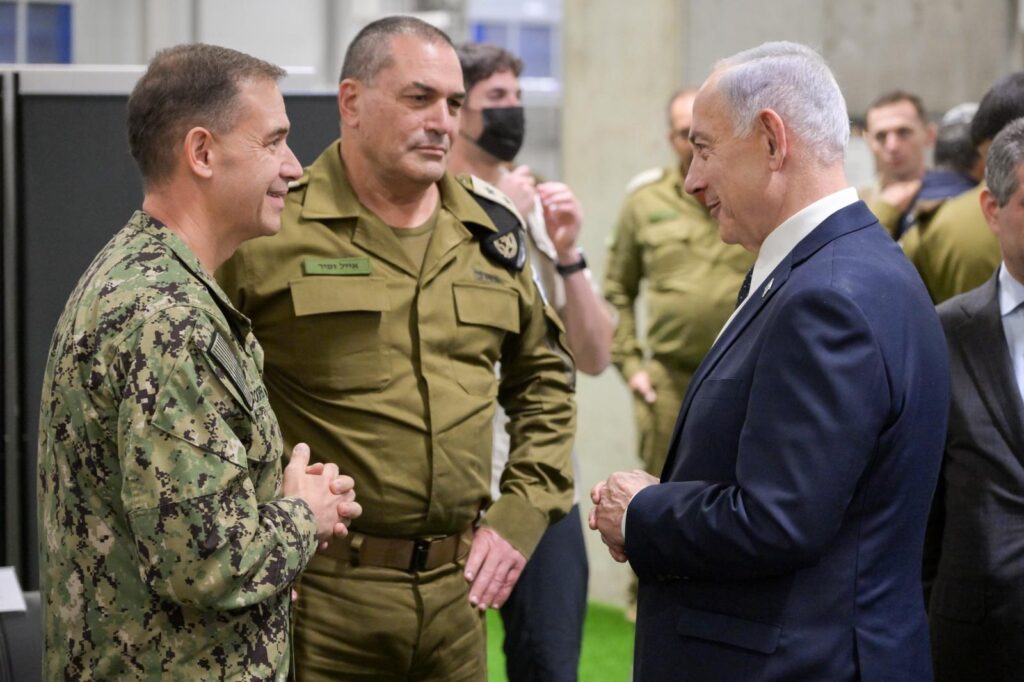
2+In meetings held in Washington, Israeli Prime Minister Benjamin Netanyahu met with Defense Secretary Pete Hegseth and President Trump, with official sources noting that Israeli forces could be included in a major American attack if the administration decides to return to large-scale combat operations.
Additionally, on the military side, officials noted that while Cooper believed as early as February that at least six weeks were needed to complete the operation, schedule cuts and various events—such as the downing of an American F-15E in April that led to a brief pause and temporary ceasefire agreement—left a significant portion of Iran’s missile array, estimated at 21% to 22% according to intelligence assessments, intact and operational.