



Another Iranian player joins the fight: Pro-Iranian Shiite militias in Iraq, which until now have been relatively quiet, are returning to center stage in recent days. The militias have already begun operating on the ground—launching drones toward Israel and Jordan and even attacking in Saudi Arabia. Meanwhile, reports are mounting that if the United States decides on a ground invasion of Iran, the militias will deploy to Iran to assist.

 1+
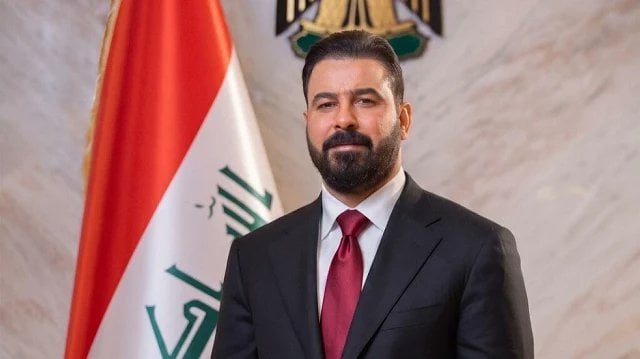
1+Against this backdrop, the United States and Saudi Arabia struck targets in Iraq last night. Currently there are six major militias in Iraq. Three of them have agreed to disarm, but the other three continue to operate under direct command from Tehran and have recently received instructions from the Revolutionary Guards to act. At the center of the crossfire stands Iraqi Prime Minister Ali al-Zaidi, who in the past two weeks has managed to visit the United States and meet with President Trump, then immediately travel to Iran for meetings with senior officials in Tehran.
While the Americans are applying heavy pressure on him—including economic and political incentives—the Iranian pressure is heavier, closer, and far more threatening, to the point of posing a real danger to his life. Stepping into this void is Faaq Zaidan, Tehran’s man in Iraq’s judicial system, who is trying to maneuver with the Iranians and prevent a full explosion.
 1+
1+The tension is expected to peak toward the end of September—the target date agreed with Washington for the withdrawal of all American forces from the country. This is also when the militias are supposed to lay down their weapons, but for them it’s an imaginary date. The militias see the American presence not only as an excuse to attack but also as a shield, and they have no intention of disarming as long as Washington is around. For Tehran, the goal is to set the entire region ablaze regardless of the consequences.