


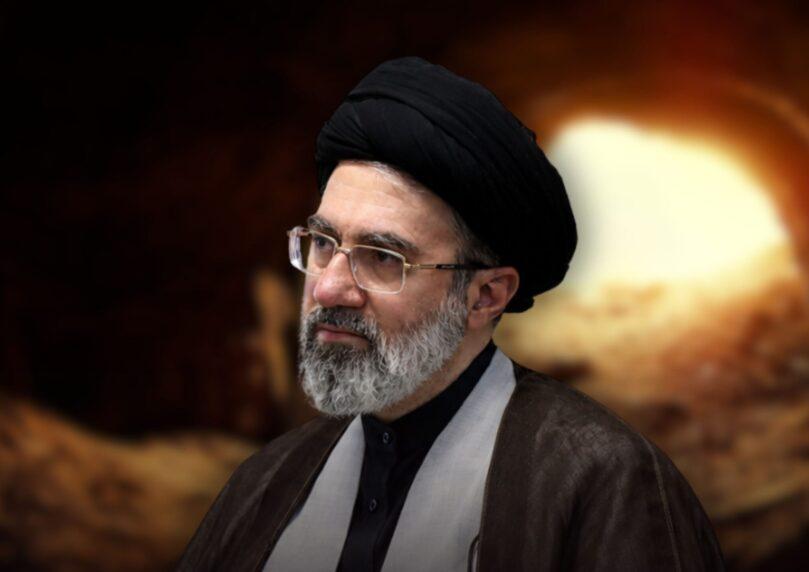

Against the backdrop of escalating confrontations with the West and threats from President Donald Trump that “all-out war” could return to the table despite a temporary pause in strikes, Iran’s strategy is torn between two opposing power centers that can’t align. President Masoud Pezeshkian, Foreign Minister Abbas Araghchi, and Parliament Speaker and chief negotiator Mohammad Bagher Ghalibaf are pushing for diplomatic dialogue, but the Revolutionary Guards are creating facts on the ground through military operations. The complete absence of ‘Supreme Leader’ Mojtaba Khamenei leaves both factions without an arbiter to decide between them, the New York Post reported Sunday.


 2+
2+The deep divide between the camps in Tehran plays out in every move. A regional source close to developments in Iran explained that the political echelon can sign agreements, but its hands are tied: “They can sign, but they can’t stop the Revolutionary Guards from operating or the parliament from passing laws around them.” According to the source, “The hardliners don’t need to win internal arguments—they create facts on the ground and get parliament to rubber-stamp them after the fact.” Moreover, those same sources note that the civilian leadership may only be trying to strengthen its position now because the Revolutionary Guards know they won’t be able to obtain weapons from any other market in the world.
Behnam Ben Taleblu, a senior fellow at the Foundation for Defense of Democracies, reinforced this view and pointed out that the security leadership continues to choose escalation as its only guarantee of survival: “There are politicians who occasionally come out and talk about dialogue, but those pulling the strings, those who have their finger on the trigger and those making the most important decisions, continue to speak and act from a belief that escalation will ensure their survival, not engagement.”
 2+
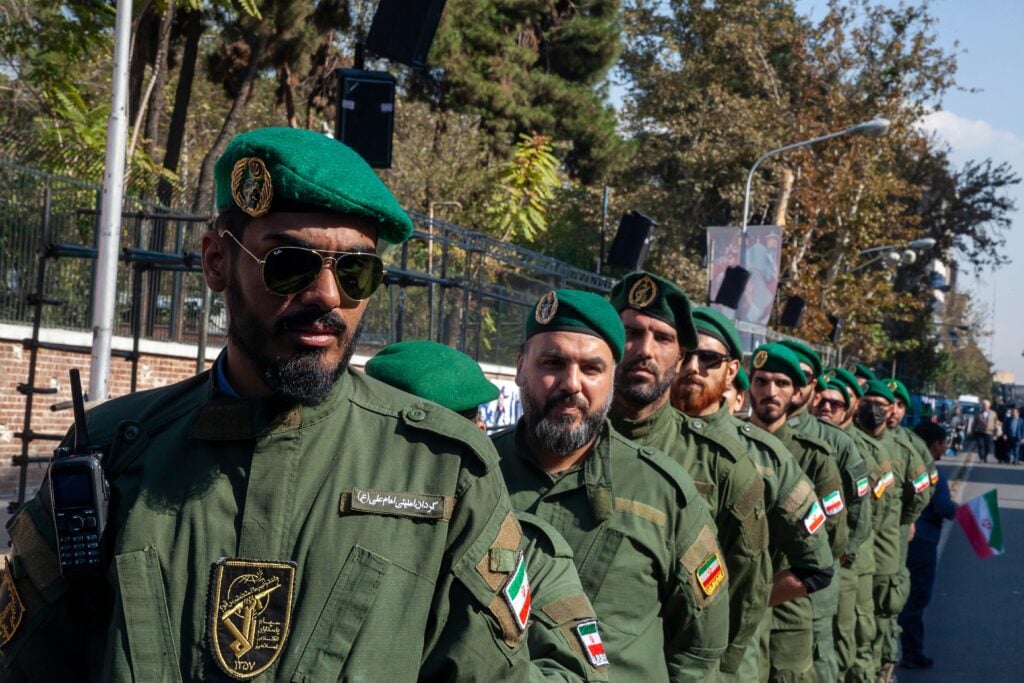
2+The growing influence of military figures was clearly visible recently: in the front rows of funeral ceremonies for Ayatollah Ali Khamenei, Revolutionary Guards members were positioned instead of senior civilian officials, and some of the filmed speeches by Iran’s leadership were broadcast after undergoing censorship and pre-editing rather than live. Meanwhile, the Iranian parliament—controlled by hardline loyalists—is systematically working to undermine the diplomatic track.
Some 180 of 290 parliament members approved a move declaring the death of the “Islamabad Memorandum of Understanding” after a senior delegation traveled to Pakistan for mediation purposes. They also advanced a bill sponsored by lawmaker Ebrahim Azizi under the title “Strategic Action for Security and Sustainable Advancement of the Strait of Hormuz and the Persian Gulf.” As part of this hardline, aggressive approach, Iran’s foreign minister and regime-affiliated media recently also issued sharp threats against Kyiv, claiming that “all of Ukraine is within range” of conventional missiles and ballistic missiles.
 2+
2+The current governmental chaos in Tehran is dramatically amplified by an unprecedented leadership vacuum: the new ‘Supreme Leader’, Mojtaba Khamenei, has not been seen publicly since his father’s assassination on February 28, 2026, and has since communicated only through written messages. This absence prevents his traditional intervention in settling internal conflicts and leaves rival factions in a completely open power struggle.
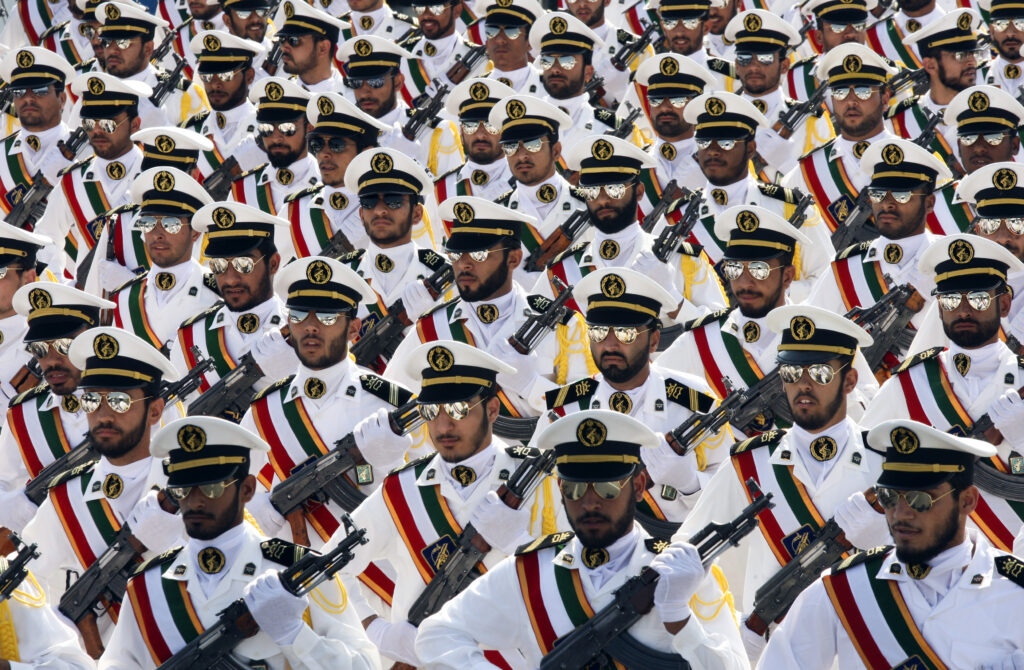
The political and strategic implication is that Washington can no longer rely on the moderate rhetoric of Iranian ministers and diplomats abroad, because they no longer control the actual coercive power mechanisms managed by the Revolutionary Guards from within.