



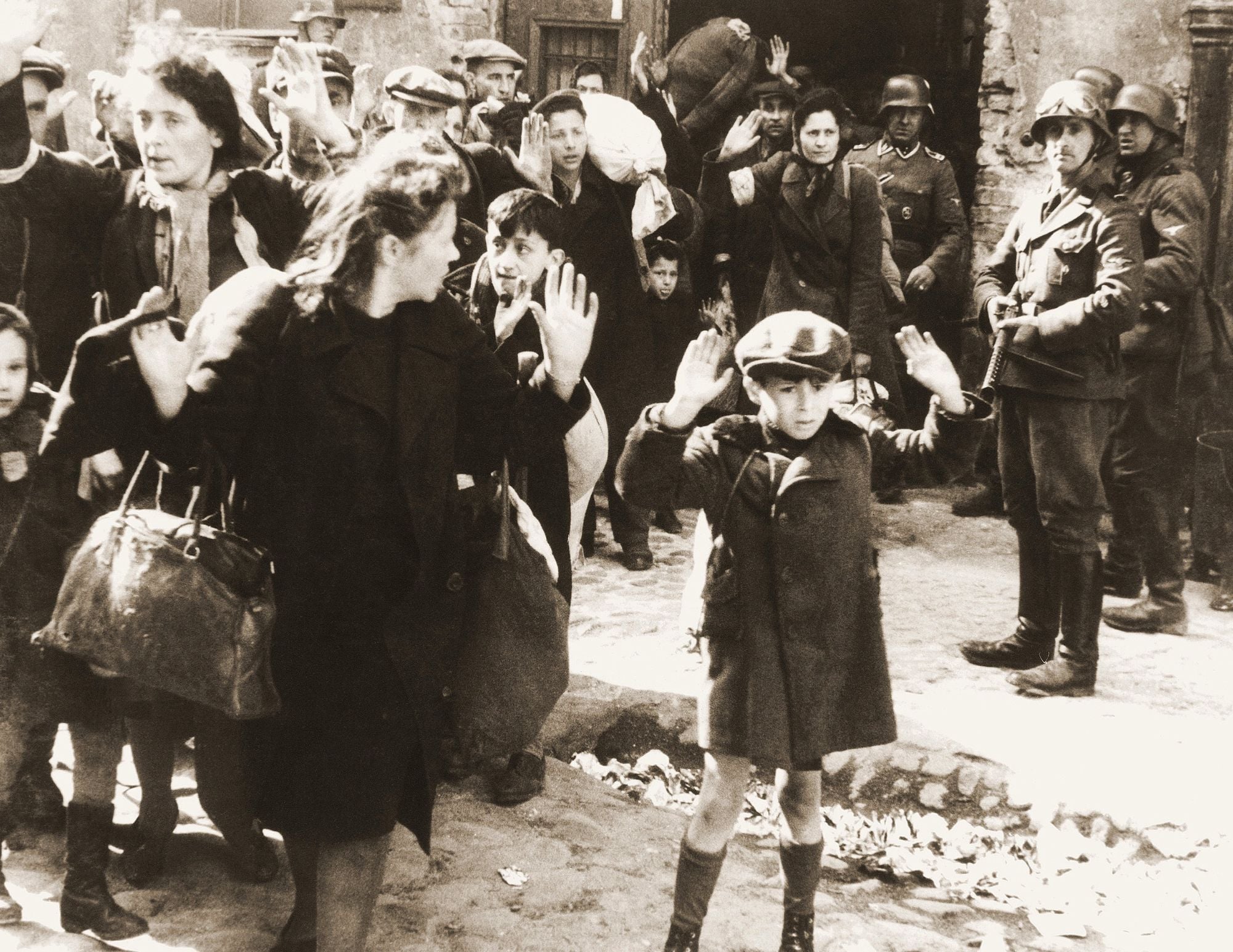
Disagreement has accompanied the Jewish people throughout all generations, even in the darkest moments. Even in the hell that was the Warsaw Ghetto, two separate Jewish underground movements operated—the ŻOB and ŻZW—with ideological and organizational disputes between them. Before the State of Israel was established, when an existential threat hung over the Jewish community, the Haganah, Irgun, and Lehi operated in different ways, and sometimes even clashed with each other.

 5+
5+Disagreement is nothing new among the Jewish people. The Talmud itself is filled with arguments, questions, and polemics that have accompanied our people for generations. But our history teaches that the real question isn’t whether we’ll disagree with each other, but what happens the moment disagreement crosses that thin and dangerous line.
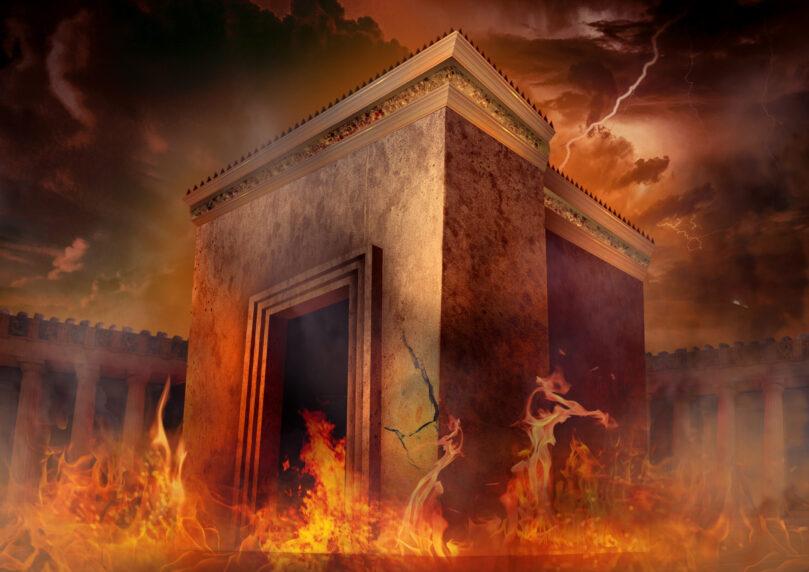
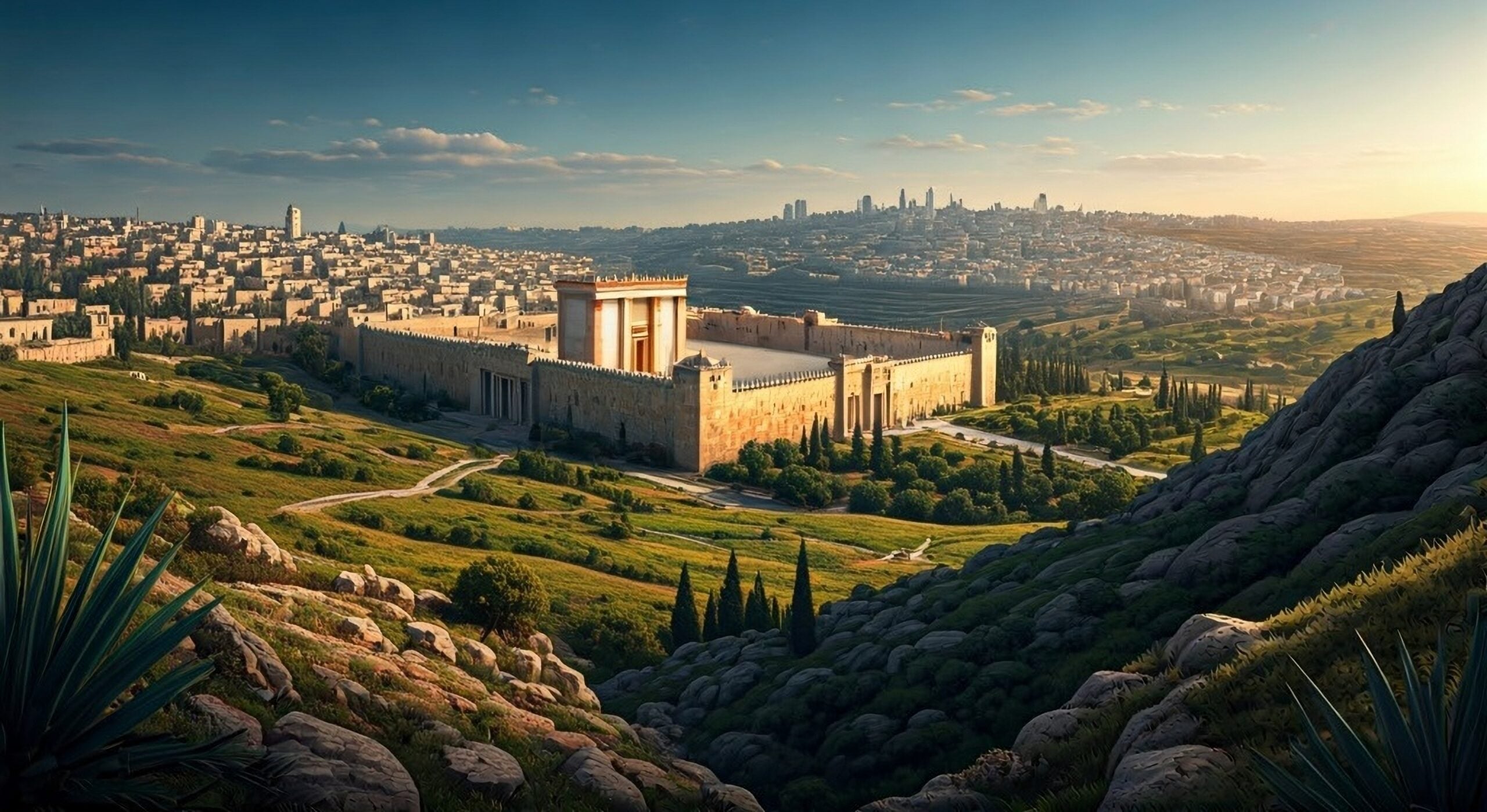
According to the sages, the First Temple was destroyed because of idolatry, sexual immorality, and bloodshed. The Second Temple, by contrast, was destroyed during a period when the people studied Torah, observed commandments, and performed acts of kindness. And yet, all of that wasn’t enough. The Temple was destroyed because of baseless hatred.
 5+
5+We need to stop for a moment and understand what this means. A people who studied Torah, observed commandments, and performed kindness lost their home because people within it stopped seeing each other as brothers. They may have been certain of their righteousness, may have fought in the name of great values, but hatred consumed the house from within, until there was nothing left to save.
After the hatred that scorched the Jewish people came two thousand years of exile. Expulsions, persecutions, blood libels, pogroms, and massacres. Jews wandered from country to country, begged for shelter, were expelled again and again and murdered simply for being Jews. Entire communities were erased, families torn apart, and the nadir of horror came in the Holocaust when 6 million Jews were murdered with unspeakable cruelty.
 5+
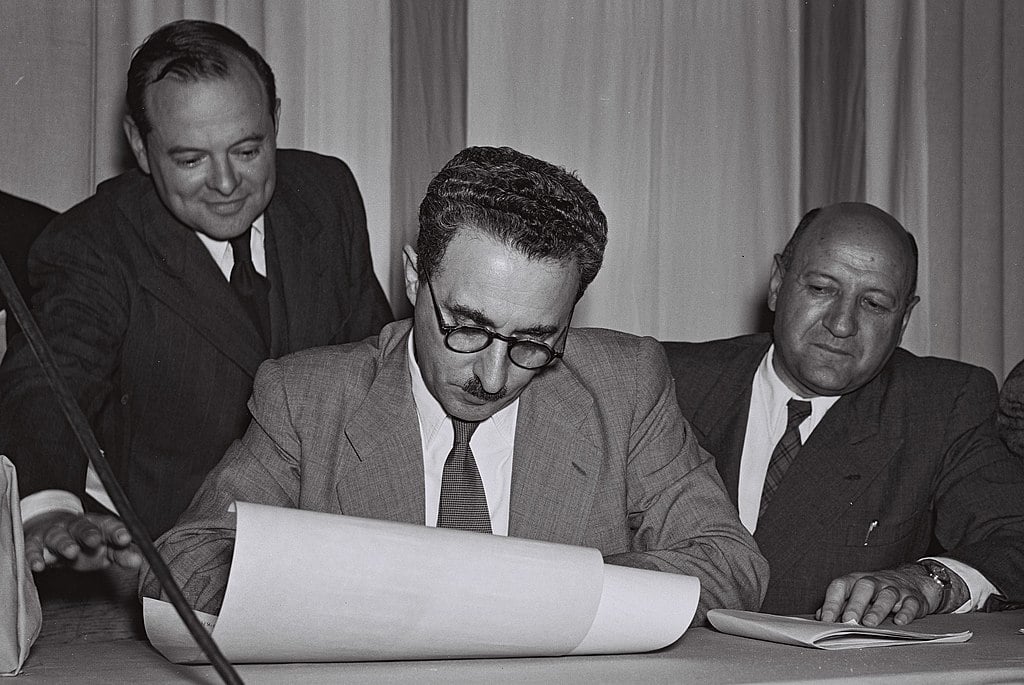
5+And after all that, we got a home again.
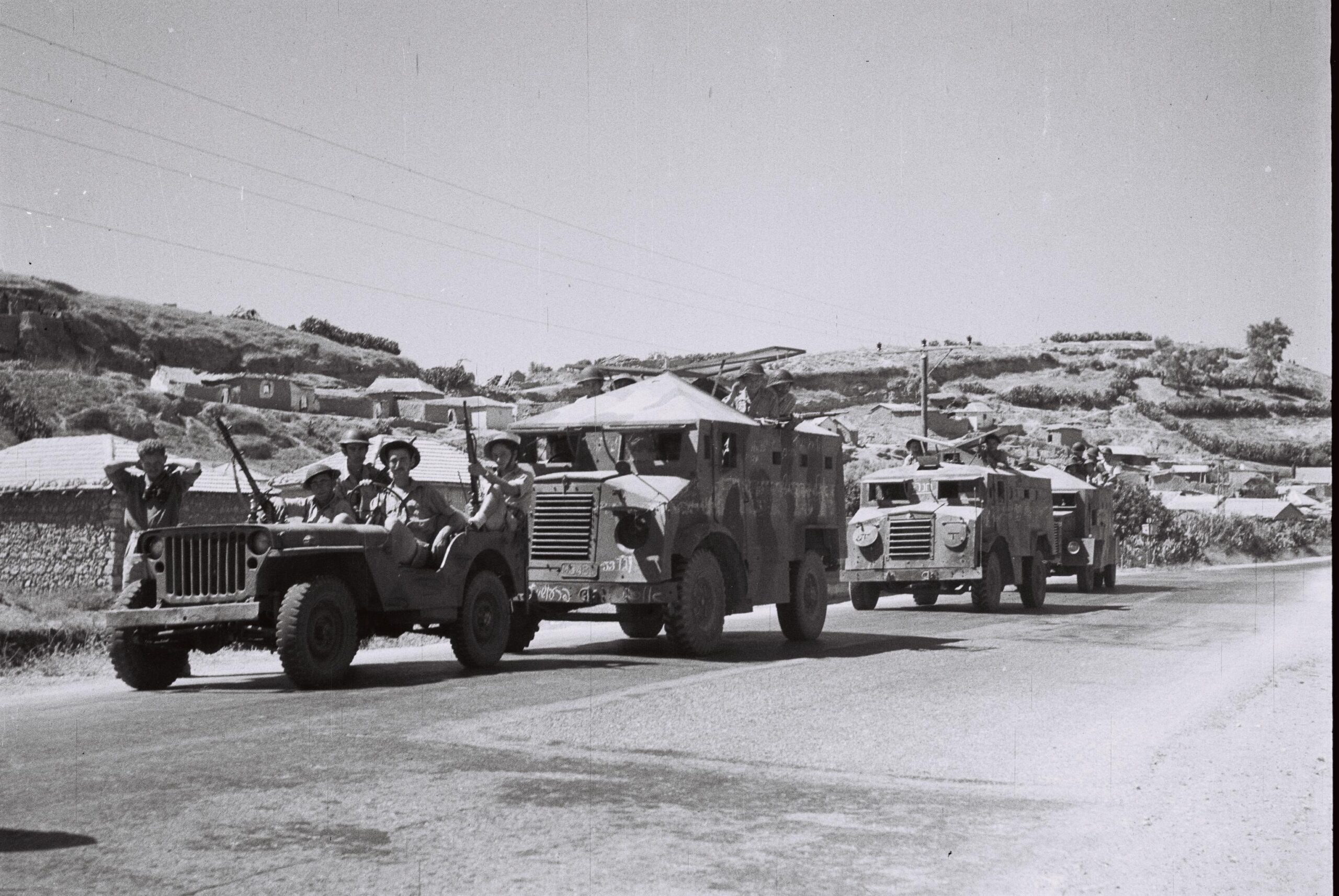
Not a home we can take for granted. Not a state that arose by chance. A home built on the prayers of generations, on the blood of fighters, on immigrants who left everything, and on survivors who came here from the ashes. A home that Jews dreamed of for two thousand years, when they had no other place in the world. And now we’re playing with it.
We talk as if this state is guaranteed to us forever, as if there’s no price for the rift, as if we can keep insulting, hating, and inciting, and the house will just remain standing. Each side is certain it’s saving the state, and along the way they’re all pounding on its walls together.
 5+
5+The other way was already taught to us by Beit Hillel and Beit Shammai. The disputes between them were deep and touched on fundamental questions of Jewish law, worldview, and way of life. And yet, the sages determined: “Both these and those are the words of the living God.” Even when two opinions stand opposite each other, not all truth is necessarily found on only one side.
And yet, the law was decided according to Beit Hillel. Not because Beit Shammai weren’t wise, but because Beit Hillel also studied their words and even presented them before their own. And that’s exactly what we’ve lost.
 5+
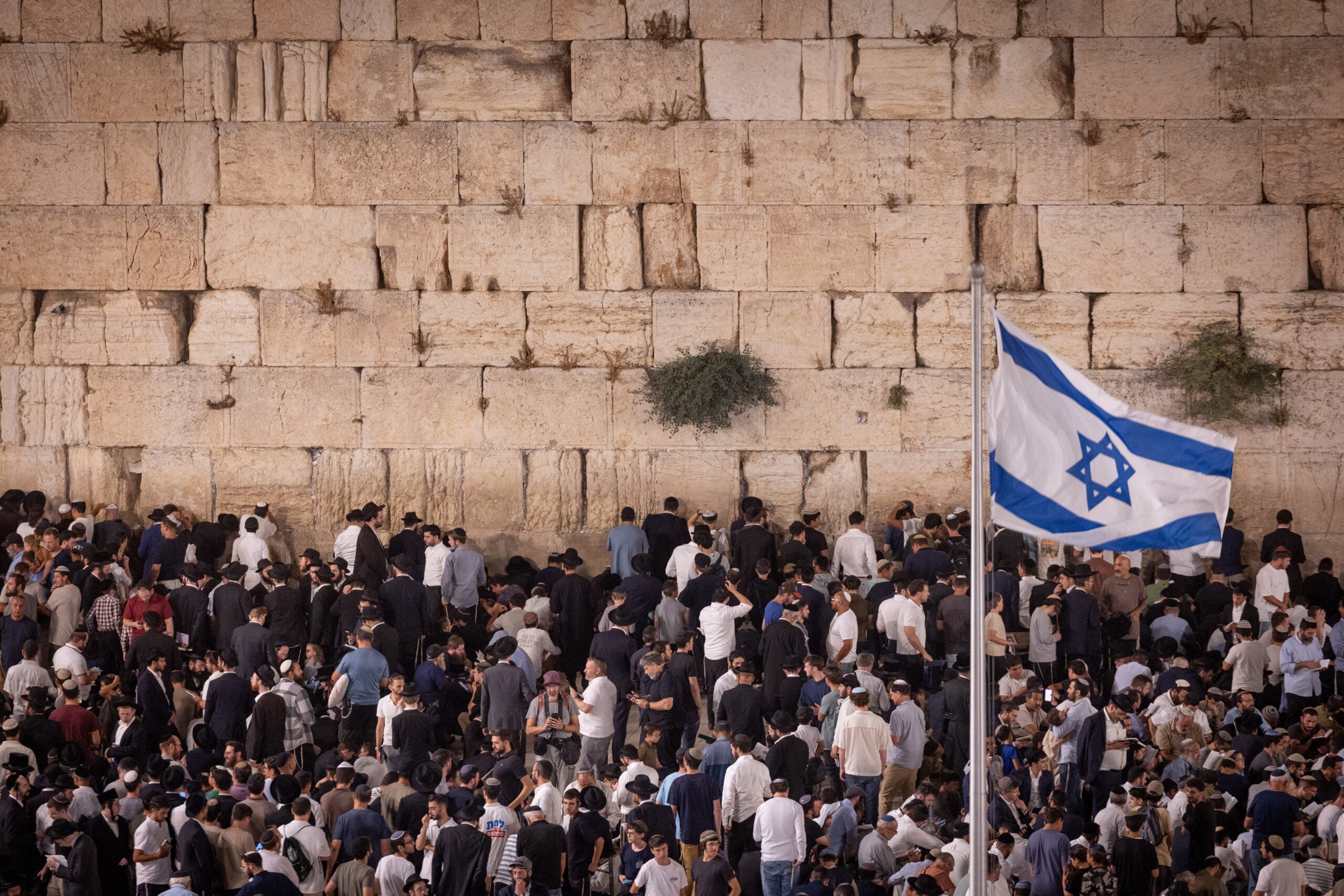
5+We no longer speak to understand each other, but to dominate. We don’t listen to learn, but wait for the moment when we can attack. Every disagreement becomes a war, every criticism becomes treason, and anyone who thinks differently is presented as an enemy from within.
The sages said there are seventy faces to the Torah. Perhaps the Jewish people also have seventy faces. Among us are right and left, religious and secular, ultra-Orthodox and traditional, Jews who came from all corners of the world. We won’t think the same thing, and we never will. That’s not the problem. The problem begins when we’re no longer willing to tolerate each other.
 5+
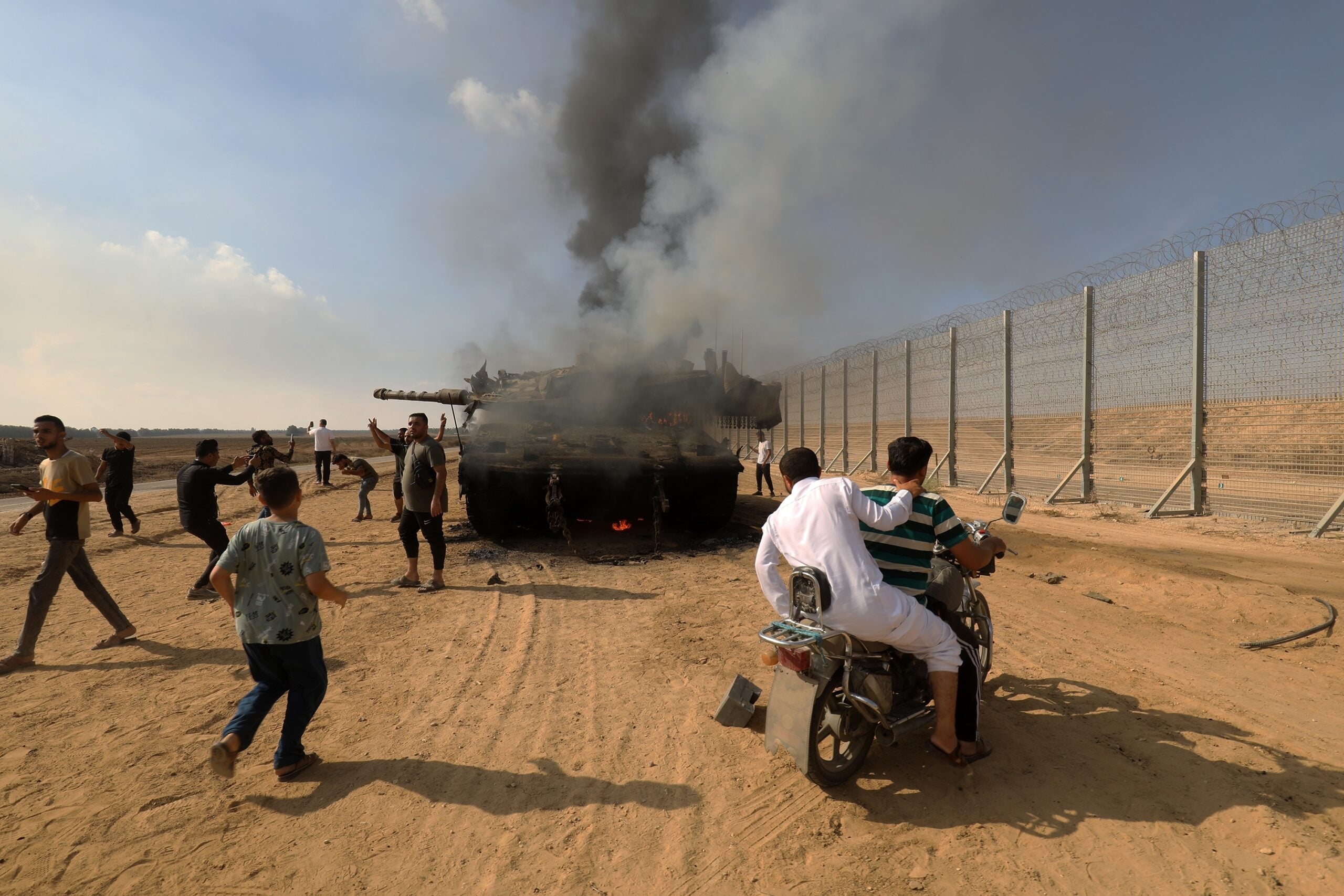
5+And when the space becomes too narrow to contain us, the enemies outside see it and are filled with motivation and “fuel” to accelerate the plan to destroy Israel. Before October 7, Hamas followed the division within the country and interpreted it as weakness. While we were busy tearing each other apart, across the fence they saw a fractured society and became convinced the time had come to attack.
So when will we understand that unity isn’t a cliché?
Unity isn’t a nice word for speeches at ceremonies. It’s not a slogan pulled out on X after a disaster and not a song we sing when everyone’s already crying. Unity is a necessary condition for us to continue being here. We must not forget that we have no other home in the world, and if we keep playing with this house, one day there really won’t be a home left for us to fight over.