


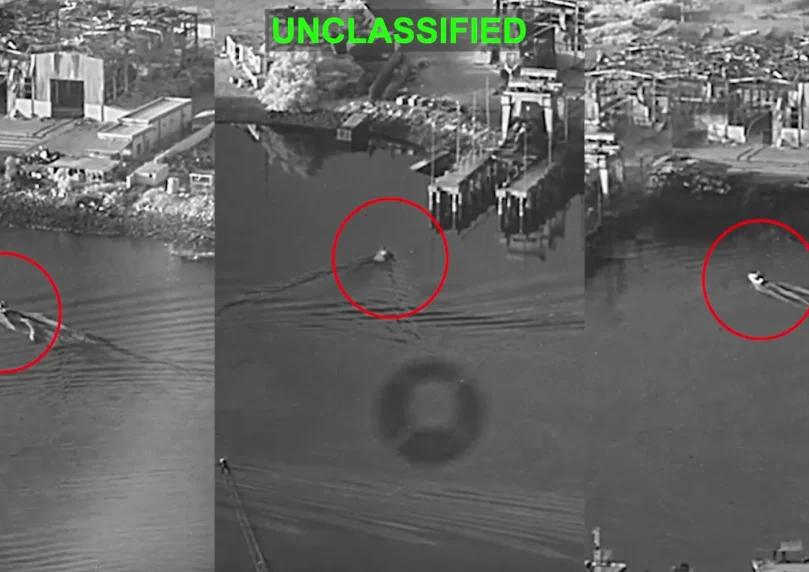

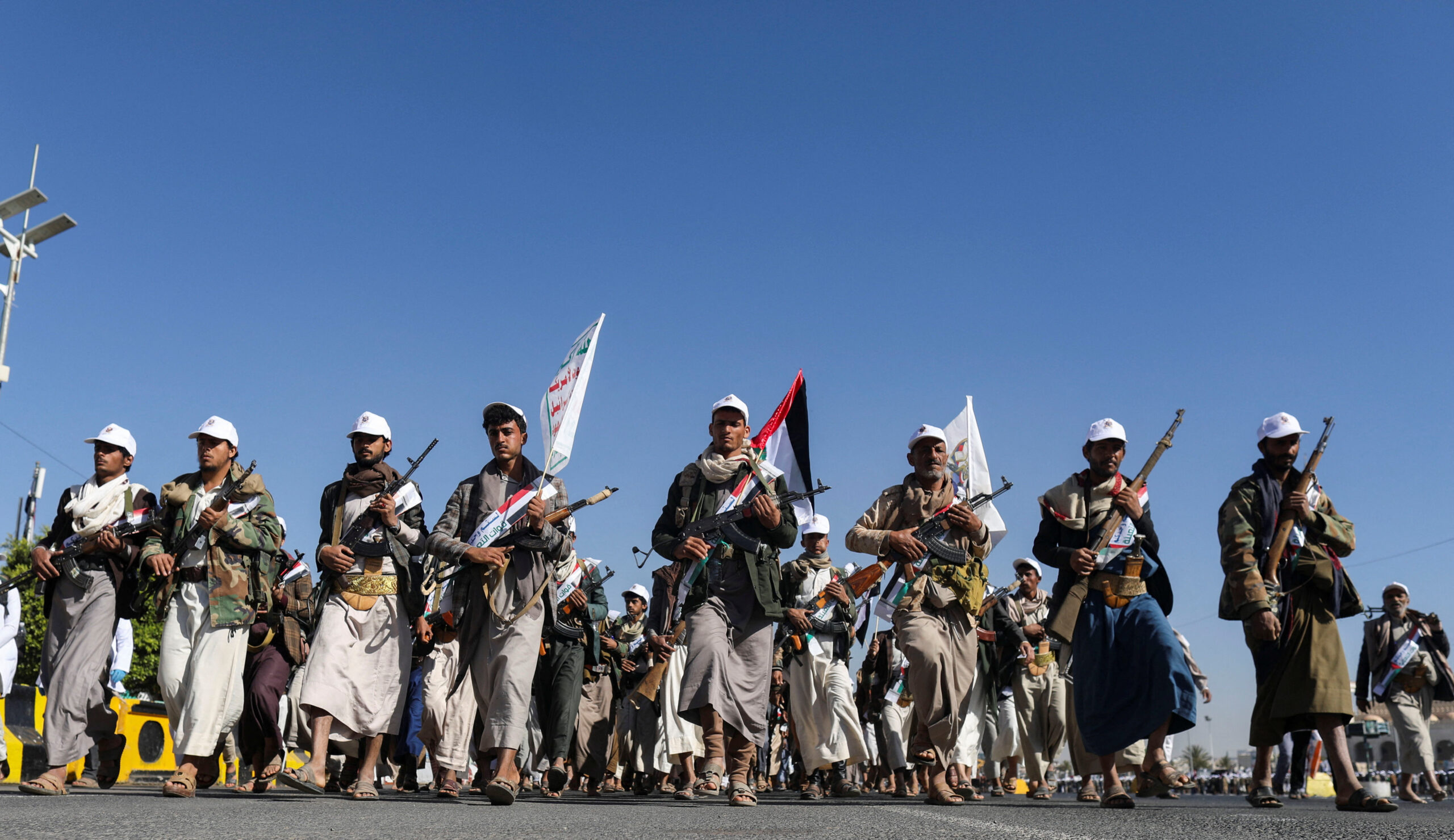
The war in the Middle East is expanding into the maritime arena. Yemen’s Houthi terrorists announced overnight Wednesday that they had attacked two Saudi oil tankers which they claimed had violated a naval blockade declared in the Red Sea—a move that could further intensify regional tensions and disrupt commercial shipping.
According to Houthi military spokesman Yahya Saree, the attack was carried out with ballistic missiles, cruise missiles and drones against two tankers identified as ENCELA and LAYLA. He also claimed that the group forced approximately 10 additional vessels to withdraw from the area.

 1+
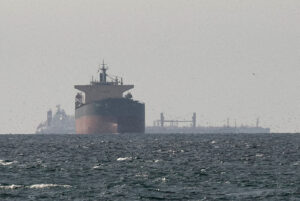
1+At the same time, the United Kingdom Maritime Trade Operations agency reported that a vessel had been struck by an unidentified object off the coast of Saudi Arabia, near the Red Sea city of Al-Shuqaiq.
Iranian reports claimed the vessel was a Saudi tanker carrying approximately half a million barrels of oil and that it had been hit by a missile launched from Yemen. Those claims have not been independently confirmed.
The Houthis threatened to continue their campaign against Saudi Arabia, warning that any action against Yemen would trigger a direct response inside Saudi territory.
“The armed forces will continue their naval operations against the Saudi enemy and continue enforcing the principle of ‘blockade for blockade,’” the group said. “Any aggression against our country will be met with major operations inside Saudi territory, and the consequences will be severe.”
Meanwhile, U.S. Central Command announced that American forces, acting under the direction of President Donald Trump, had launched another wave of strikes against military targets in Iran at 5:30 p.m. Eastern Time.
CENTCOM said the operation would continue as part of efforts to further degrade Iran’s ability to threaten civilian vessels and commercial ships passing through the region’s strategic waterways.
A series of explosions was also reported across several locations in southern Iran, including the areas of Sirik, Bushehr and Mahshahr. No official confirmation has yet been issued regarding the source of those explosions.
 1+
1+Tehran warned that if the United States targeted Iran’s electrical infrastructure, it could retaliate by disrupting power supplies to Gulf states and striking shipping routes around the Strait of Hormuz.
With missiles flying over the Red Sea, American forces striking Iran and Tehran threatening the Gulf, the region’s widening conflict is no longer confined to land—and the world’s most vital shipping lanes are increasingly caught in the crossfire.