


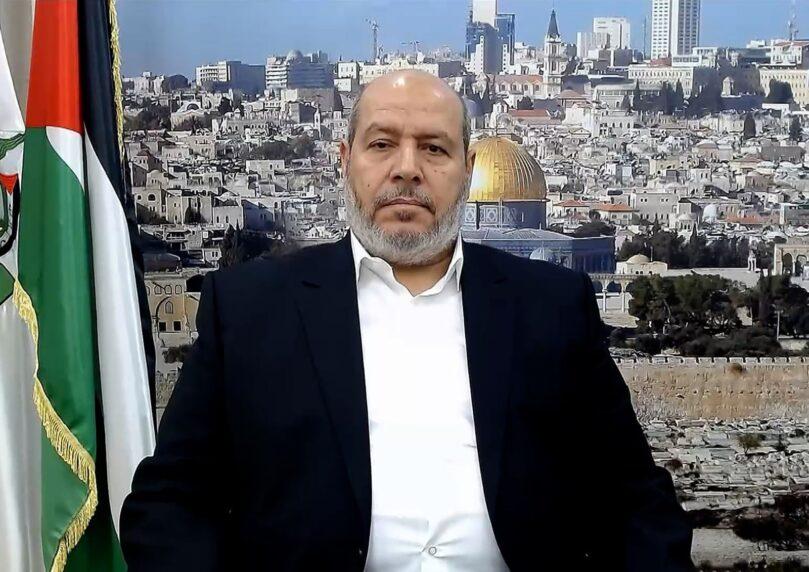

The Hamas terrorist organization officially announced today (Monday) that Khalil al-Hayya has been chosen to replace Yahya Sinwar as head of the political bureau. The election of al-Hayya, who is considered one of the figures closest to the terror organization’s leadership and who has led the rounds of political negotiations on its behalf over the years, symbolizes the official transition to the next stage in the movement’s leadership following Sinwar’s assassination.
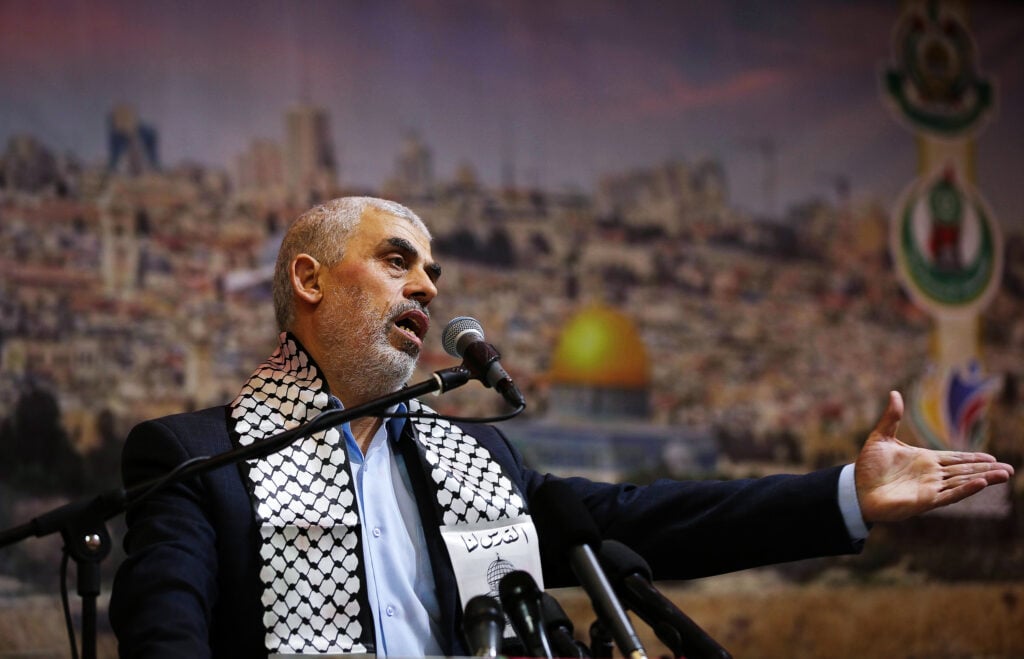
In a statement issued by the terror organization, it was noted that the election of al-Hayya was intended to ensure functional continuity and strategic management of the campaign. Sources close to the terror group’s leadership said that, “Khalil al-Hayya has accepted the responsibility to lead the movement during the most complex period in its history, while maintaining the strategic line that has been set.”
The appointment is being accepted within the terror group as a necessary step to restore its political status, especially in light of the significant assassinations that have recently hit the top command. Al-Hayya, who is known as a terrorist who coordinated the ties with foreign leaders and managed the political portfolio, is expected to continue trying to navigate the organization between the political arena and the changing security reality.
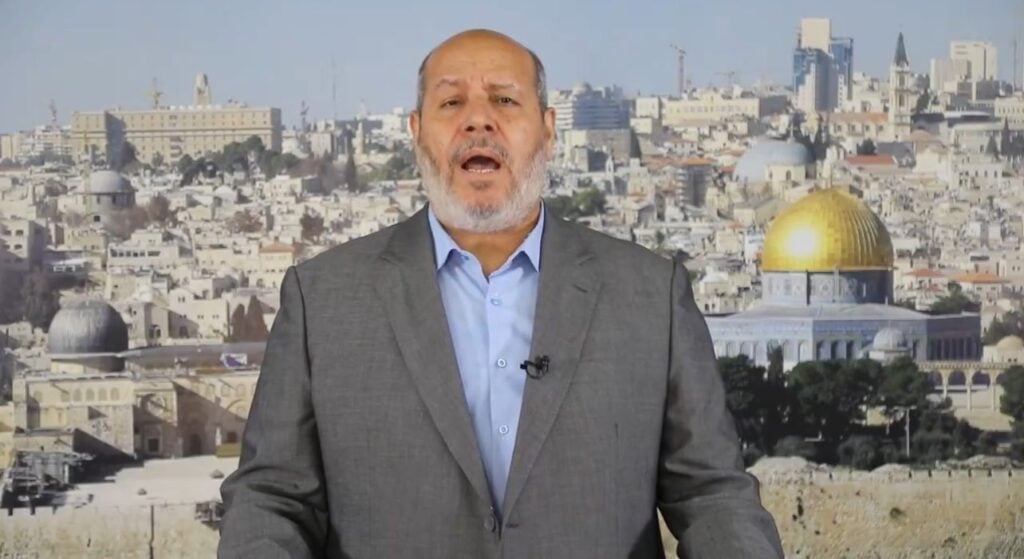
Al-Hayya’s selection comes after weeks of speculation about the identity of the successor to Yahya Sinwar, who was killed by IDF forces. Sinwar was the central figure in the terror organization and the executor of the October 7 attack, and his assassination was seen as a fatal blow to Hamas’ command structure.
Recently, it has been reported that Israel has made targeted attempts to thwart Khalil al-Hayya, who is considered one of the most strategic figures in Hamas’ leadership. Al-Hayya, who is close to the highest echelons of the terrorist organization and is responsible for managing its political and diplomatic apparatus, has been marked as a target for assassination as part of the Israeli effort to damage Hamas’ chain of command and management, both on the military and political levels.
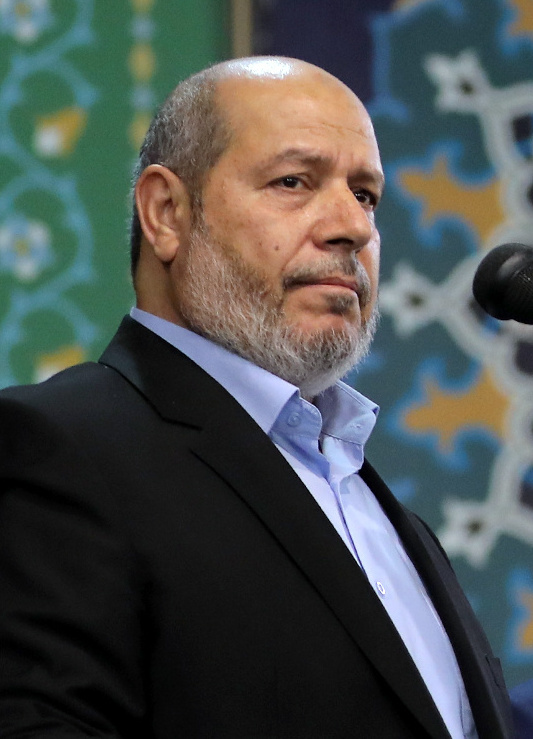
The terrorist organization’s activities since Sinwar’s assassination have been characterized by its attempts to regulate its ranks and present a unified front to the outside world. The significance of al-Hayya’s appointment is twofold: on the one hand, he is a figure who is not only identified with the Hamas wing military but mainly with the organization’s diplomacy, which may indicate an attempt to reduce Hamas’s political isolation. On the other hand, this is a tremendous challenge for Al-Hayya, who is required to lead a battered organization and try to restore its capabilities at a time when it is under unprecedented military and political pressure.