


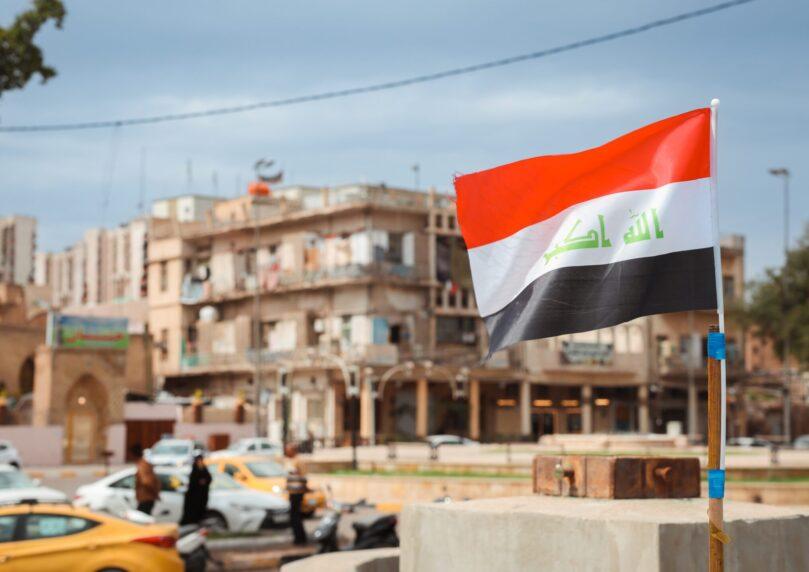

The U.S. Embassy this week issued a warning to American citizens in Iraq, urging them to monitor local media and follow instructions from local authorities. The advisory comes in the wake of Iran’s attacks on the Kurdish region in northern Iraq.

 1+
1+The travel security alert warned that the country’s airspace could close and flights could be suspended at any time without advance notice. Travelers were advised to check the status of their flights with their airlines before heading to airports in Erbil, Baghdad, Basra, and Sulaymaniyah.
The embassy also reiterated its Level 4 travel advisory for Iraq, urging Americans to “avoid travel to Iraq for any reason due to terrorism, kidnapping, armed conflict, civil unrest, and the limited ability of the U.S. government to provide emergency assistance to its citizens.” The statement added that despite mandatory evacuation orders for some embassy personnel, the U.S. diplomatic mission in Iraq continues to operate.
 1+
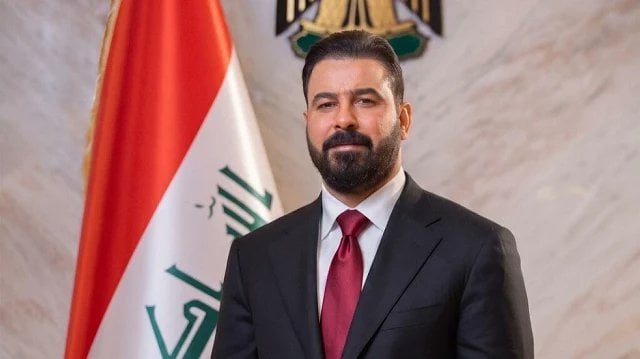
1+The warning comes after Iraqi Prime Minister Ali al-Zaidi’s historic visit to Washington. Al-Zaidi traveled to the United States hoping to repair relations between the two countries and persuade President Trump to consider removing Iraq from the list of state sponsors of terrorism. However, the embassy’s latest warning sends the opposite message.
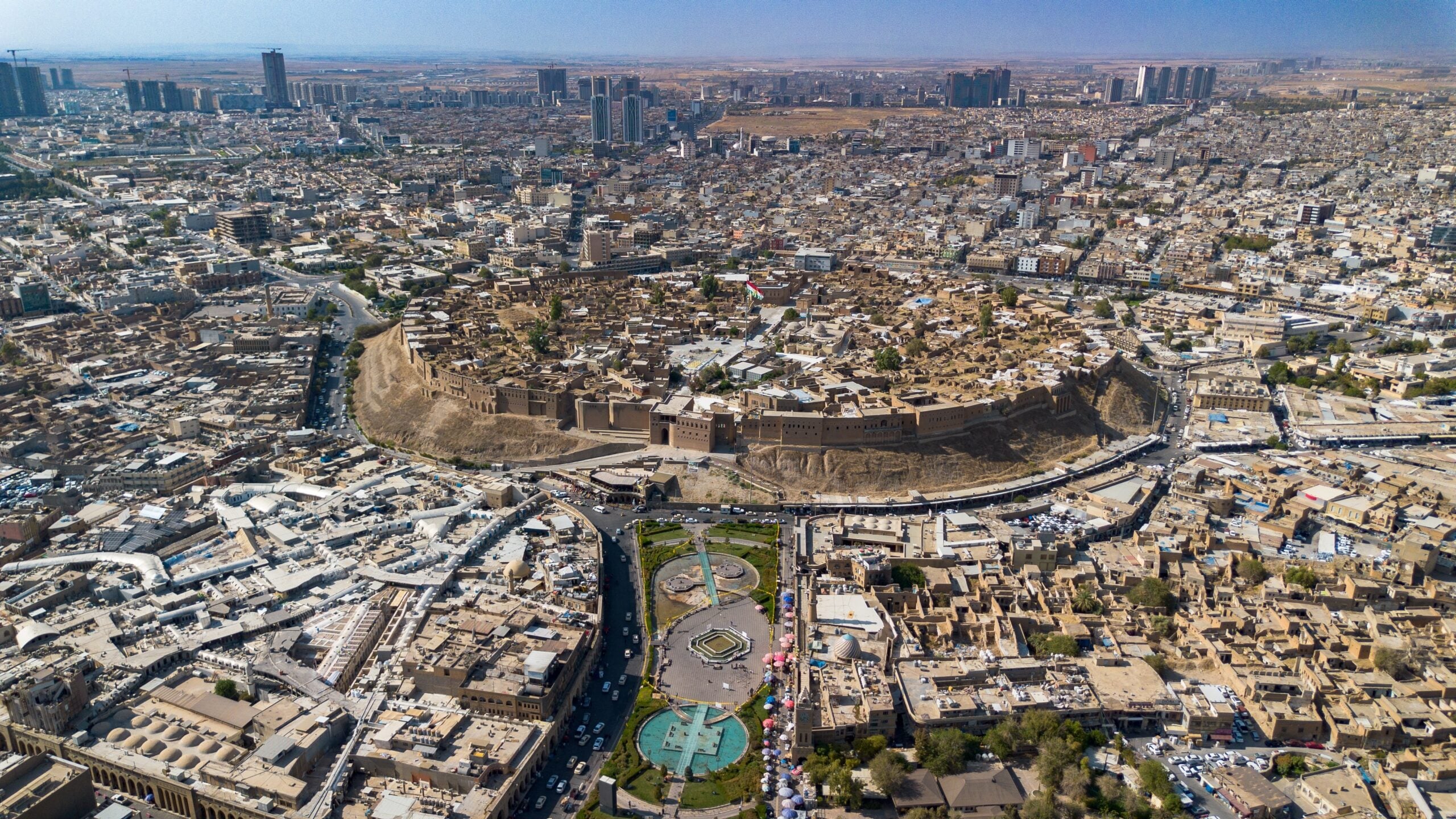
It is important to note that Iraq’s Kurdish region is largely autonomous. The Kurds have their own government, language, airports, and even border crossings with the rest of Iraq. However, because the region is still officially part of Iraq, any attack against it has broader implications for the entire country.