




A Syrian diplomatic delegation led by Foreign Minister Asaad al-Shaibani arrived Thursday night in Cairo. According to Saudi media, the delegation will represent Damascus politically after years of disconnect forced by regional upheaval.
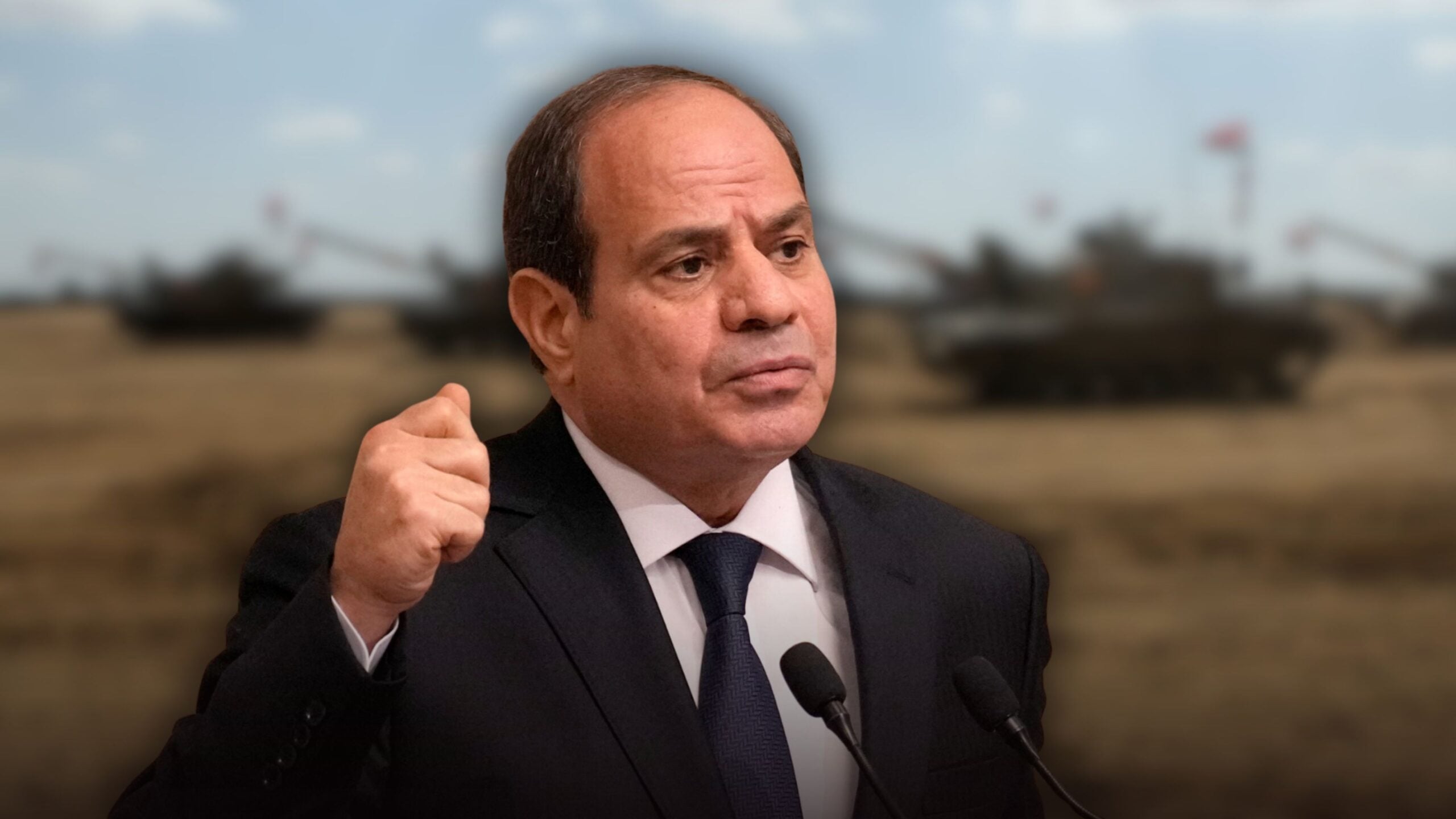
The political mission, organized by Syria’s Foreign Ministry, promises to restore relations between Damascus and Cairo after a period of cooling following the era of Bashar al-Assad’s regime. While Egypt managed to topple ruler Mubarak in the 2011 Arab Spring, it took Syrians nearly 14 years to complete the task—further straining ties between the two countries.

 3+
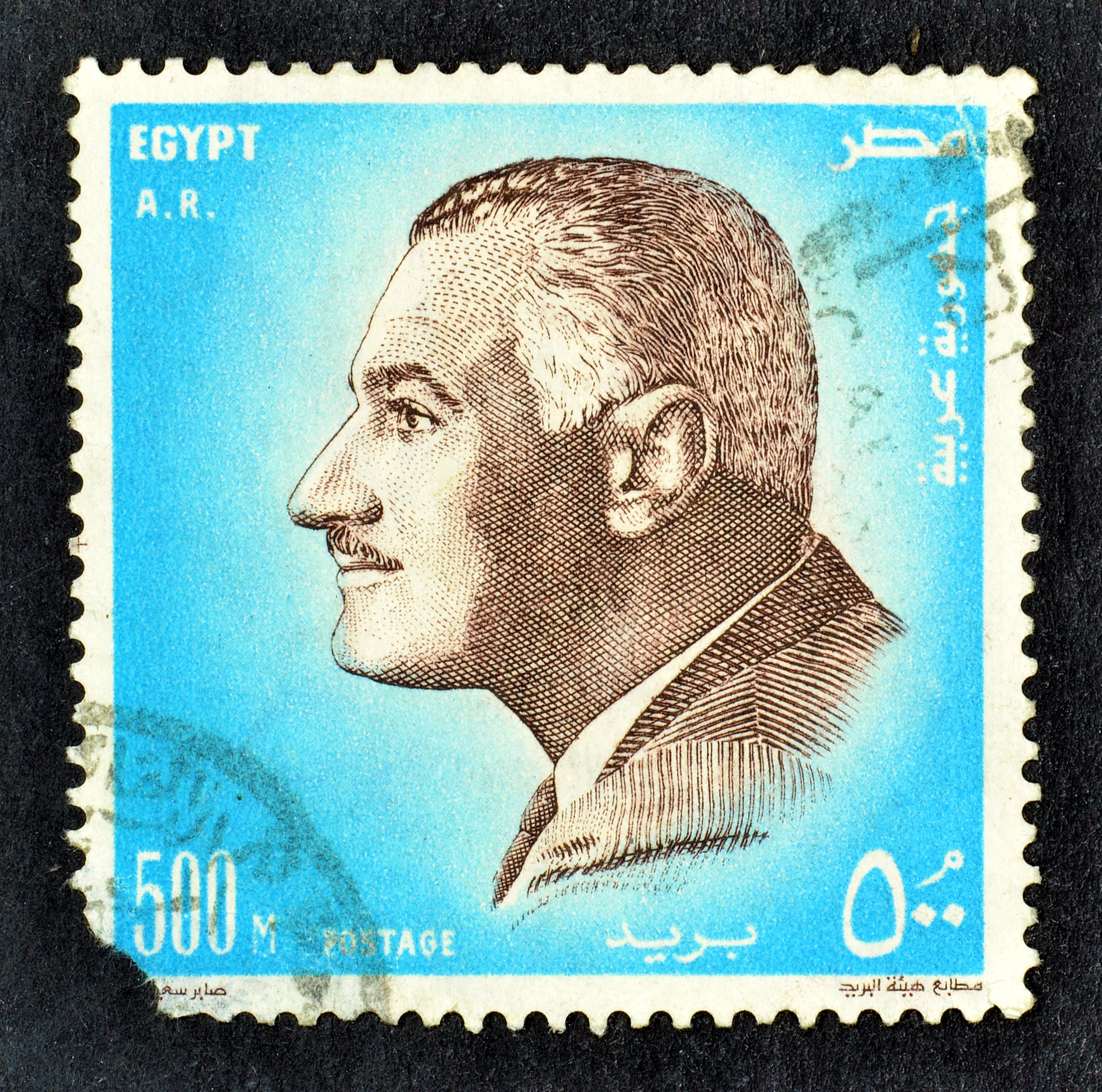
3+Nearly 70 years ago, Syria and Egypt operated as a single country. Between 1958 and 1961, the two nations formed the United Arab Republic and functioned as one state with one parliament, one capital (Cairo), and one president—Gamal Abdel Nasser. The union dissolved after Syria withdrew because it didn’t feel like an equal partner to Egypt.
According to the Saudi report, the delegation is meant to coordinate economic relations between the two countries, alongside certain political understandings and as backing for them. Both nations face severe economic distress with no clear path out.
 3+
3+Egypt’s total external debt reached approximately $163.9 billion at the end of last year, prompting the government to propose a new austerity budget to try to limit the damage. Even if they manage to stick to the new budget, the government will save only one trillion Egyptian pounds next year—equivalent to just one-eighth of the national debt ($20 billion).
In Syria, the situation is no better. The Israeli research institute INSS published that the World Bank estimated Syria’s reconstruction costs after the civil war at $216 billion. For comparison, Syria’s GDP in 2011, the year before the war, stood at $67 billion. In other words, even with the pre-war economy, even if every Syrian pound were invested only in reconstruction (and not, for example, on food or consumption), it would take over three years just to repair the damage caused by the war.
 3+
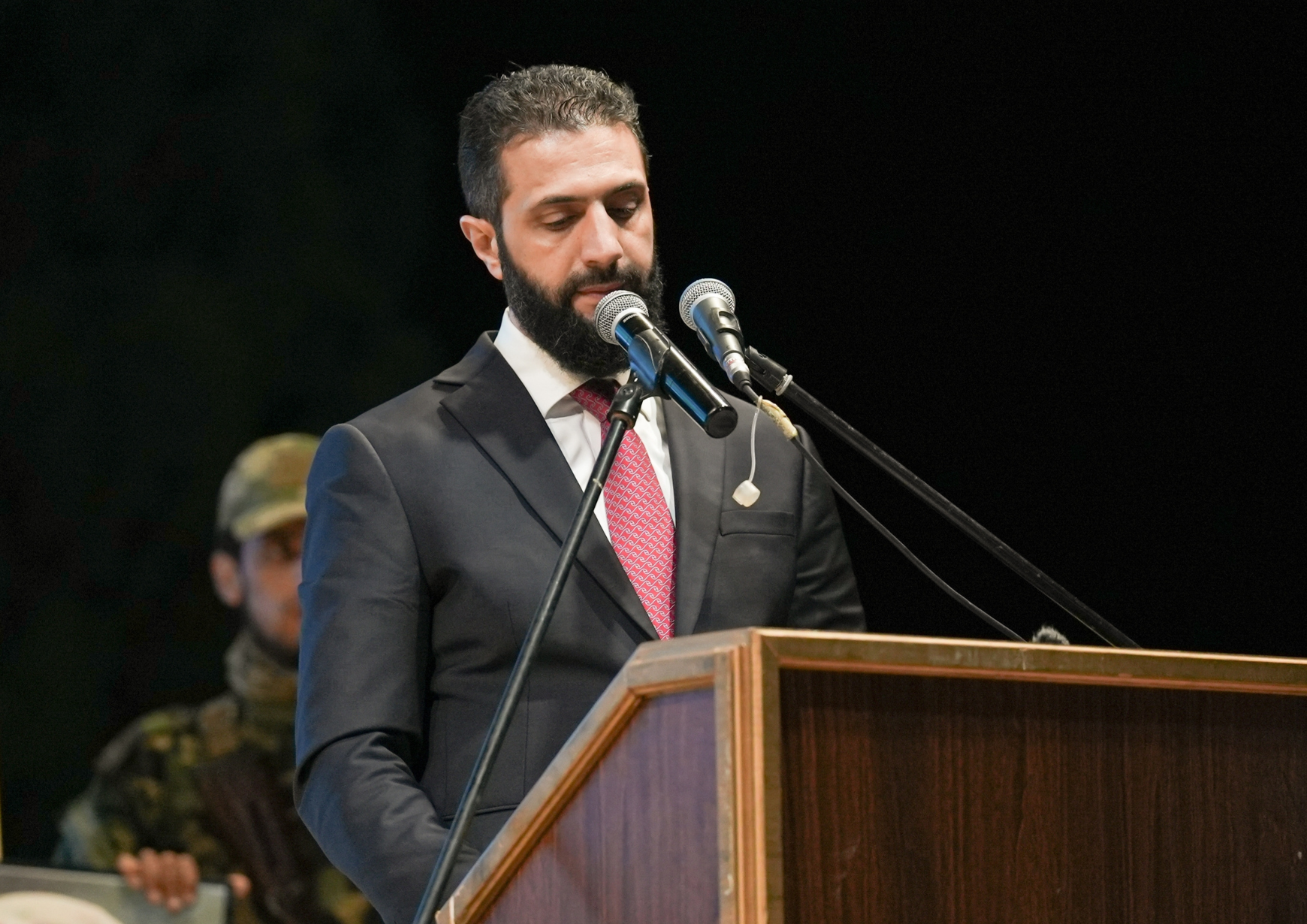
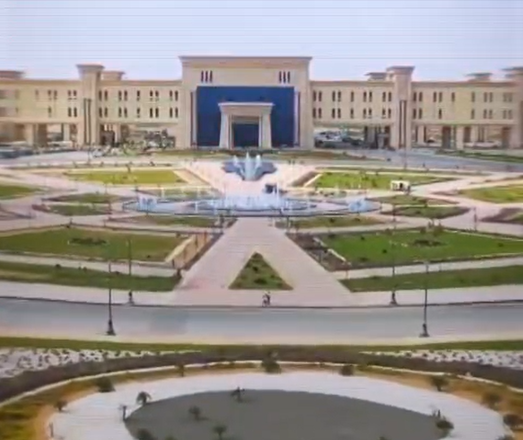
3+Both countries are trying to project business as usual. On the Syrian side, al-Julani has already held several local tech conferences and even hosted an international conference on the subject for the first time in 50 years. Egypt announced their major new project: the new strategic command complex of the Egyptian Defense Ministry in the administrative capital city of New Cairo—called the Octagon (meant to be the equivalent of the American Pentagon).
 3+
3+Now Syria and Egypt, which attacked Israel together in the Yom Kippur War, are resuming cooperation—but they’re in a very different position than before. While both grapple with poverty, debt, and regime corruption that still exists, the attempt to restore diplomatic relations doesn’t appear as threatening as it once was.