


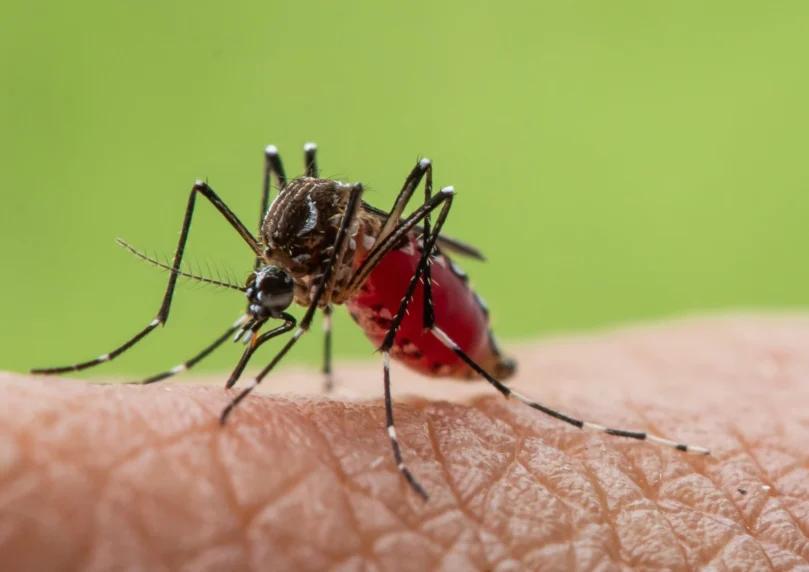

The Health Ministry and Environmental Protection Ministry announced that a Tel Aviv resident has been diagnosed with West Nile fever—the first confirmed case in Israel for the 2026 summer season. The Environmental Protection Ministry has instructed the relevant local authority to step up prevention, monitoring, pest control, and public education efforts.
Prof. Sigal Sadetzki, head of the Public Health Division at the Health Ministry: “West Nile fever is a disease transmitted to humans through the bite of mosquitoes that feed on infected birds. Usually it’s a mild illness without symptoms, but in rare cases severe symptoms like encephalitis or meningitis can appear.”
Dr. Shai Reicher, director of the Pests and Pest Control Division at the Environmental Protection Ministry: “The Environmental Protection Ministry conducts continuous monitoring throughout the year, with emphasis on mosquito activity season, across the country. Based on findings, the ministry directs relevant local authorities to increase prevention, monitoring, and pest control operations. Alongside this activity, the public has an important role in reducing risk—draining standing water sources and using protection against bites are simple and effective steps that can prevent mosquito breeding and reduce the risk of exposure to the virus.”
As every year, from early June through the end of November there’s an expected increase in the prevalence of mosquitoes carrying the West Nile virus. The Pests and Pest Control team at the Environmental Protection Ministry therefore conducts thousands of mosquito larvae monitoring operations and hundreds of adult mosquito trappings throughout the year. The mosquitoes are sent to Health Ministry laboratories for identification and testing. So far this season, no mosquitoes carrying the West Nile virus have been found.
In summer, due to water stagnation and hot, humid weather, the danger of mosquito development increases. Responsibility for removing hazards and nuisances originating from sanitary pests in public areas falls on the local authority. However, the public is asked to assist in the effort according to these guidelines:
* Dry and drain standing water sources, such as buckets, plant pot saucers, old tires, gutters, ornamental pools, barrels, and any container that could collect water.
* Use mosquito repellents, install screens on windows and openings, and wear long, light-colored clothing when staying outside—during twilight hours.
* Operate fans at home and in open areas, directed at where you’re staying to prevent the mosquito from easy access to exposed skin.
* Report mosquito hazards or standing water sources in public spaces to the local authority hotline at *106.
The ministries emphasize that updates from residents to the local authority are critical to enable the local authority to focus efforts and remove the hazard quickly and efficiently. The Health Ministry and Environmental Protection Ministry will continue to monitor the disease and conduct ongoing monitoring across the country, and will update the public as needed.