



Israel’s political system erupted Tuesday after the Knesset approved a law freezing arrests of yeshiva students classified as military deserters, passing 58-0 in the final vote. The legislation, pushed by ultra-Orthodox parties, halts enforcement proceedings against yeshiva students designated as deserters pending review of their status.

 4+
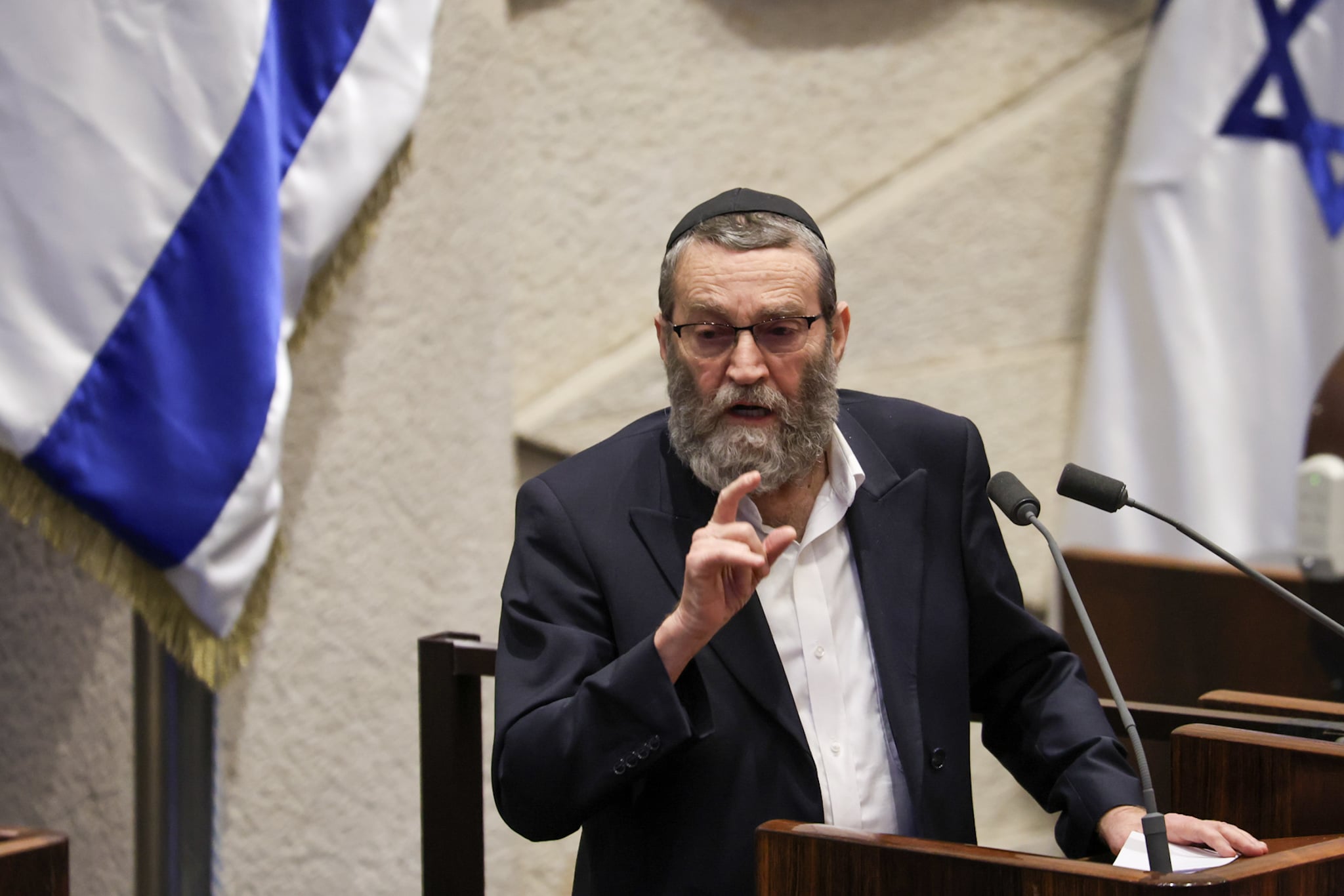
4+Ultra-Orthodox factions celebrated the move. Moshe Gafni, chairman of the United Torah Judaism party, declared: “Justice for Torah students—the era of arrests is over. We promised and delivered! The law stopping the persecution of Torah students and preventing their arrest has been approved. This is an important step in protecting the Torah world and its students, recognizing the importance of Torah study to the Jewish people and the State of Israel. We will continue to stand up for the rights of Torah students and work to strengthen their status.”
Avi Maoz, chairman of the Noam party, voted for the law but sharply criticized it: “This is only a partial move that doesn’t provide a full solution to the draft crisis. Let’s be clear: this is just a band-aid before the elections. The ultra-Orthodox political leadership should have conducted itself throughout the entire term the way it has in the last two weeks. Those who study should continue to study, but those who don’t must enlist and participate in the great commandment of defending the homeland.”
 4+
4+Coalition member Knesset Member Dan Ilouz, who decided not to run in Likud’s upcoming primaries after estimating his chances of reelection were low, voted against the law as expected and tweeted after its approval: “A spit in the face.”
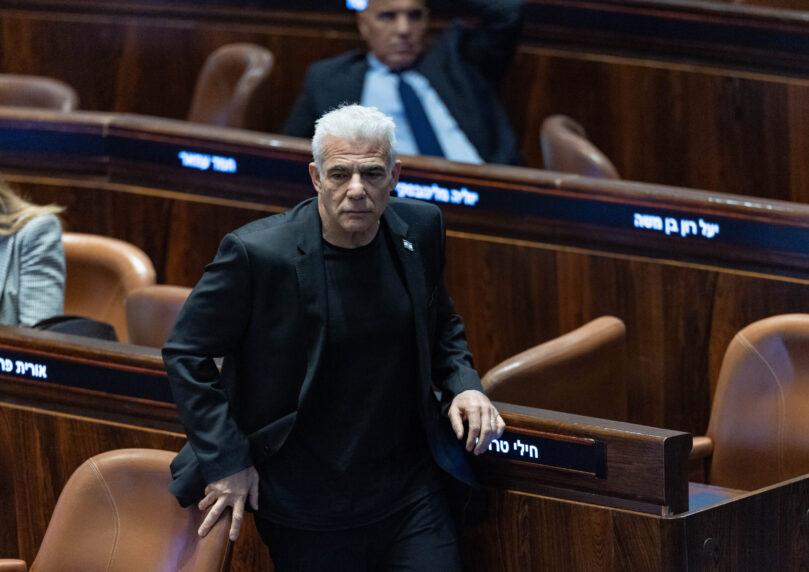
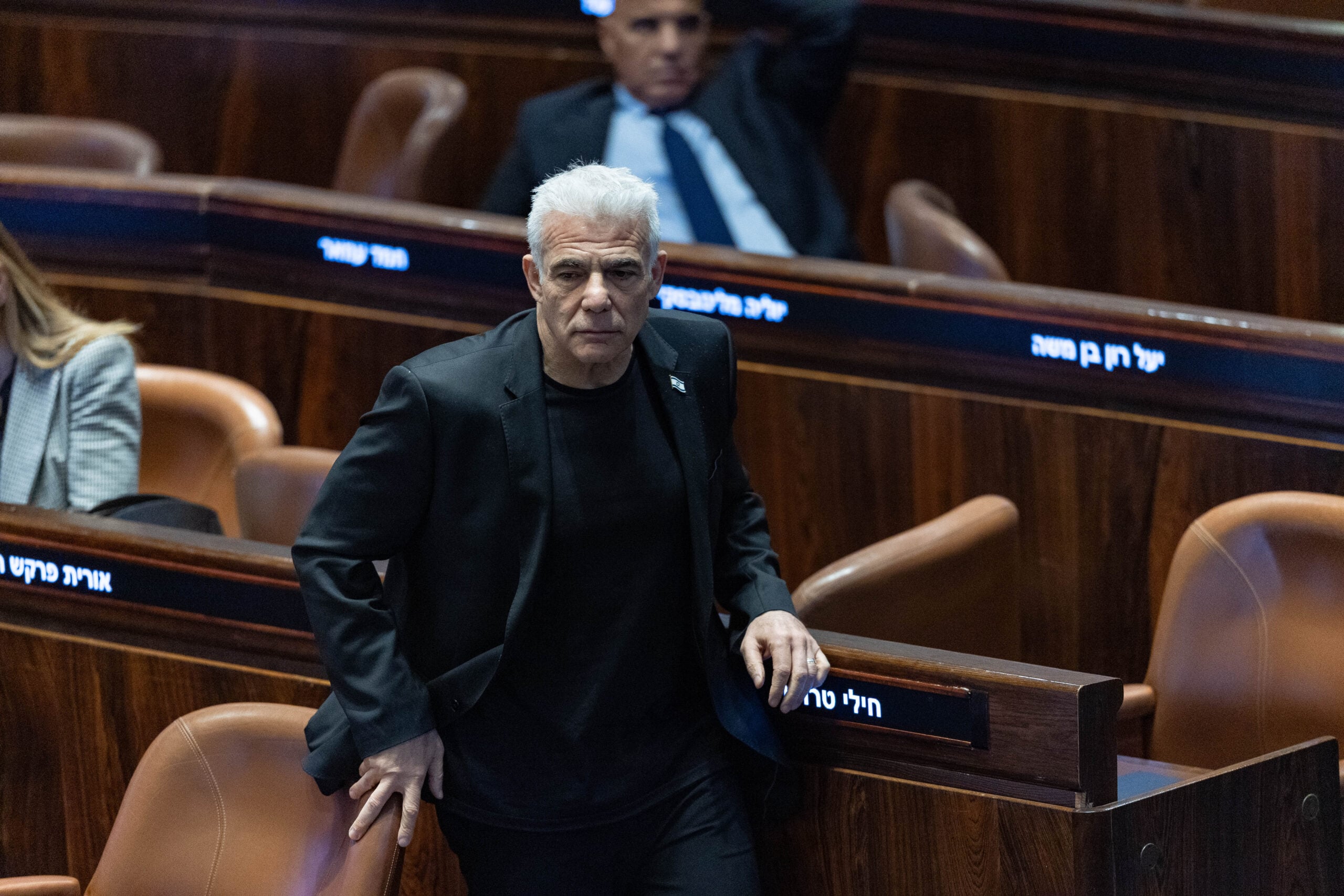
Yesh Atid party chairman Yair Lapid attacked the government: “The government of draft dodgers, evaders, and the corrupt just voted against the fighters, against the IDF, against the Chief of Staff, against Judaism, against mutual responsibility. That’s all they’ll be remembered for. Soon we’ll return and together we’ll fix everything.”
 4+
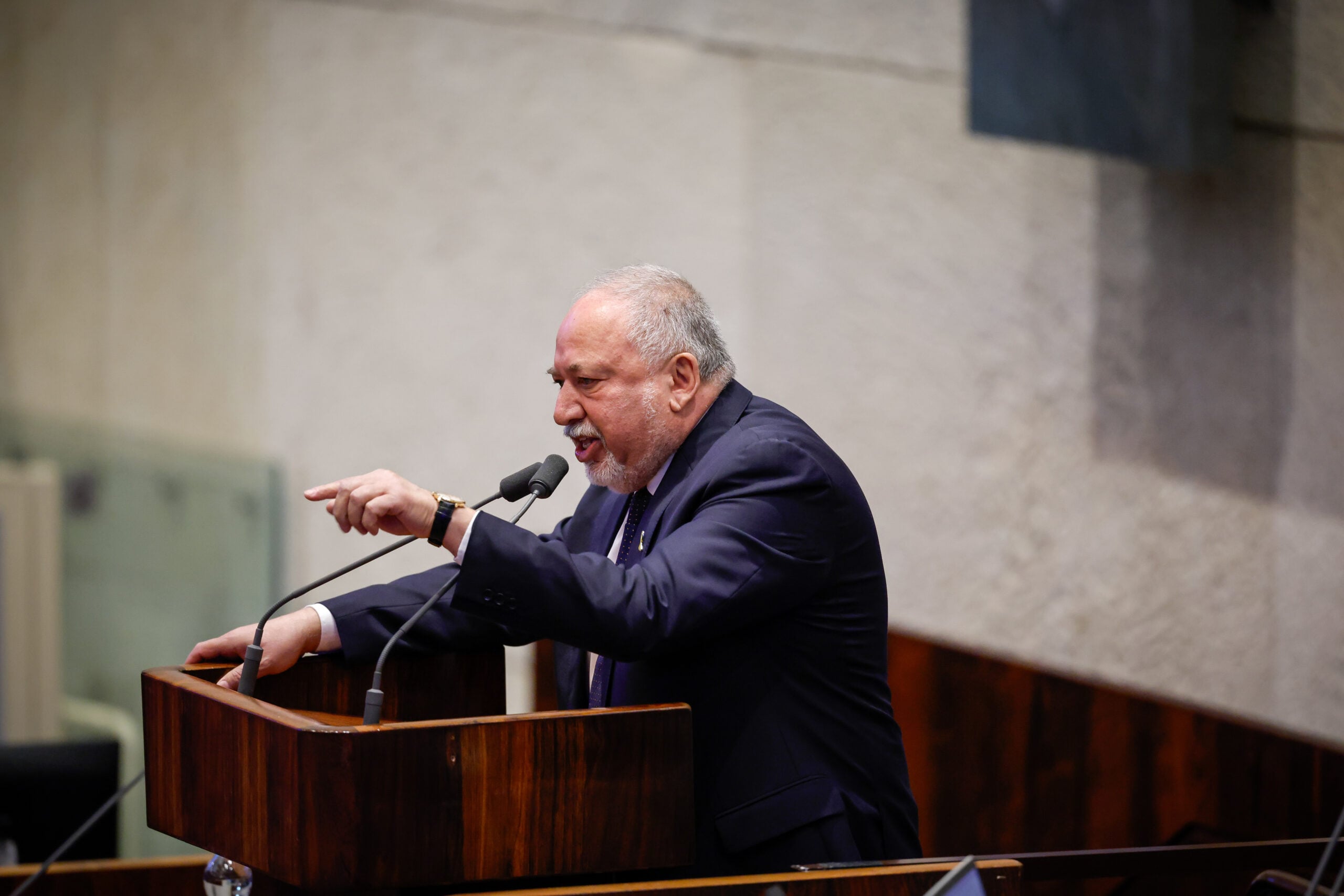
4+Avigdor Liberman, chairman of Yisrael Beiteinu, announced he had already petitioned the High Court and slammed the government: “The deserter arrest freeze law is one of the most shameful and reckless laws the State of Israel has known since its founding. The government is granting protection to draft evasion criminals while fighters are collapsing under the burden. At this moment, Yisrael Beiteinu is filing a petition to the High Court. This is exactly the conduct that led to the October 7 massacre. If this law isn’t canceled, it will lead us to an even greater disaster.”
He added: “That same deserter, if he’s secular or from religious Zionism—will be arrested and sent to prison. If he’s ultra-Orthodox—the government grants him immunity from arrest. Despite the Chief of Staff’s repeated warnings about the damage to the IDF, the draft evasion coalition chose to distinguish between blood and blood, to harm those serving, to abandon the state’s security, and to tear Israeli society apart from within.”
 4+
4+Naftali Bennett, chairman of the Yachad party, attacked the law’s approval: “What a low and anti-Zionist moment. In its final moments, the outgoing government is simply spitting on the soldiers, their families, and the serving public. Our sons are in Lebanon right now fighting. Reservists are collapsing under hundreds of days of reserve duty! But hold your heads high. Soon we’ll replace this government, cancel the entire draft evasion law, pass the law for those who serve, and together fix everything that’s been destroyed.”
The Knesset plenum approved the bill to freeze arrests of yeshiva students defined as deserters in second and third readings. For 90 days from when the law takes effect, no arrest, investigation, or enforcement proceedings will be taken against anyone who declares he meets the conditions for recognition as a yeshiva student, pending review of his application.
 4+
4+A yeshiva student is defined as someone who studies Torah regularly, at least 45 hours per week, or in a kollel—40 hours per week, except during vacation periods customary in yeshivas as determined by the defense minister. The defense minister will formulate the list of yeshivas for this purpose, according to criteria he will establish in regulations.