


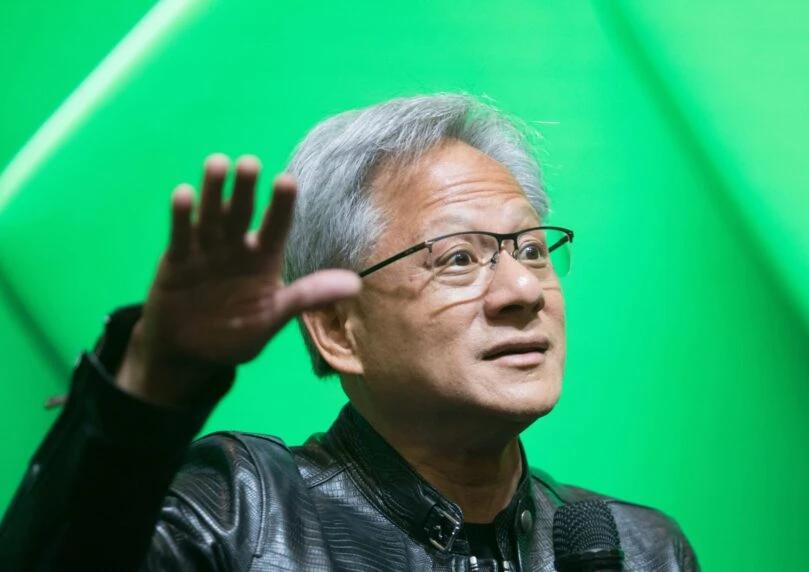

U.S. President Donald Trump succeeded on Monday in bringing Jensen Huang back as CEO of chip giant Nvidia, just 11 days after Huang resigned following a personal and security scandal that rocked Wall Street and Washington. At the center of the affair are three extramarital relationships attributed to the company’s founder, including one with a businesswoman who, according to U.S. suspicions, worked for Chinese intelligence.
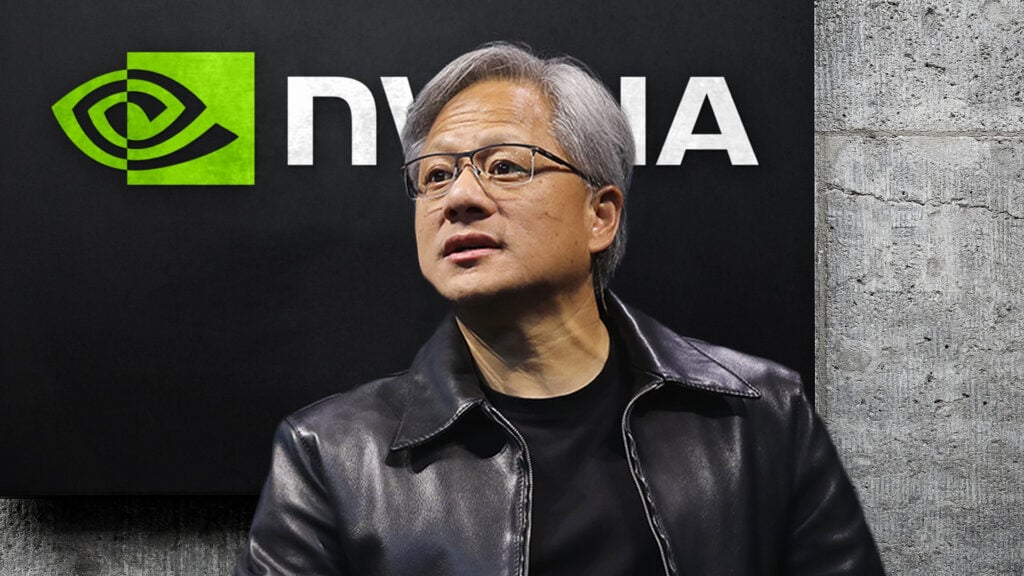
Huang admitted the relationship to Nvidia’s board, but details later emerged about additional relationships that raised serious questions about his conduct. Even so, Trump decided to use his full influence to bring him back, a move that drew criticism from both parties in the United States.
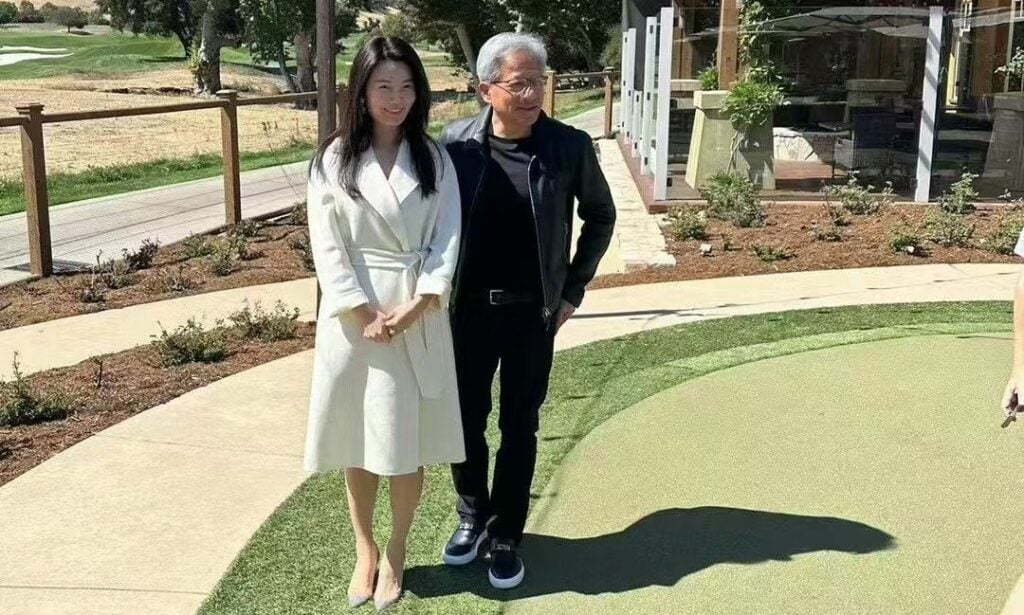
The affair began with the exposure of a personal relationship between Huang and Alice Huang, a businesswoman who worked for Megaspeed, a company operating in computing infrastructure and artificial intelligence in Singapore. According to reports in the United States, U.S. intelligence officials suspect that Alice Huang maintained ties with China’s intelligence services. That suspicion raised special concern because of Jensen Huang’s position at the head of one of the most important companies in the technology race between Washington and Beijing. Nvidia develops the advanced chips that power artificial intelligence systems, and its products are at the center of the American effort to prevent sensitive technologies from reaching China.
On November 8, after reports about the relationship were published, Huang admitted to the company’s board that he had had an intimate relationship with the businesswoman. In a letter to Nvidia employees, he confirmed that he had been unfaithful to his wife and apologized to his family and colleagues. Following the revelation, the company announced an independent investigation to examine whether the CEO had been the target of a foreign intelligence effort and whether sensitive information had been put at risk. Beijing rejected the claims that Alice Huang acted as a spy, and Nvidia stressed at the time that it had no evidence that company secrets or U.S. national security had been harmed.
But the affair did not end with Huang’s admission about Alice. In the days that followed, reports emerged about other relationships he allegedly had outside his marriage. According to the reports, one of them was with Kimberly Powell, Nvidia’s vice president of healthcare, who reportedly reported to him at the company.
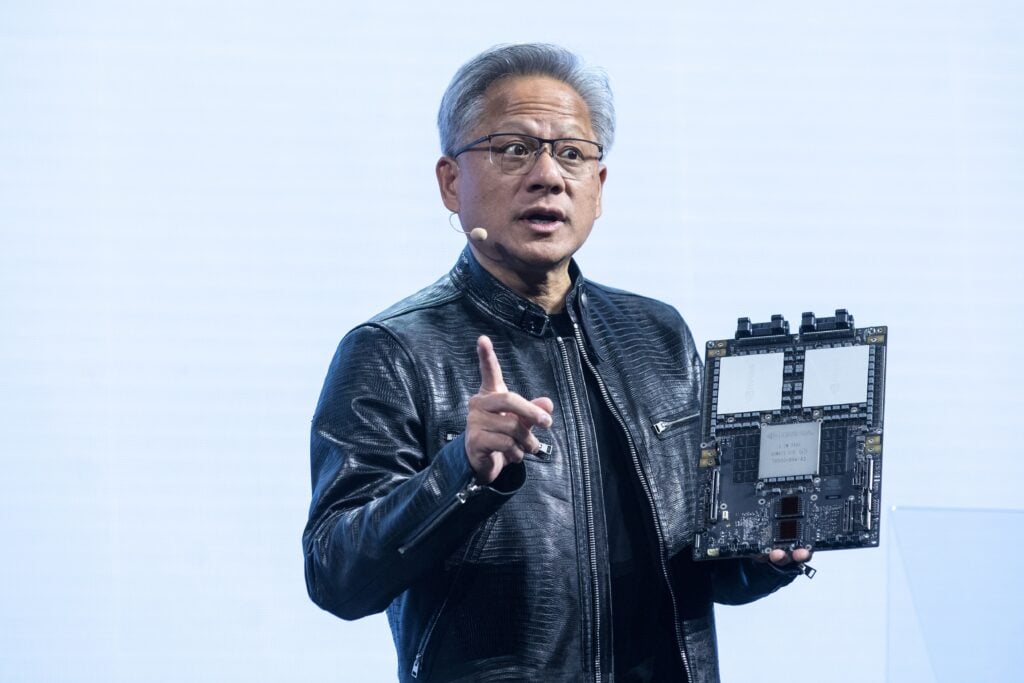
Reuters revealed, citing two sources familiar with the details, that Huang also allegedly had an intimate relationship with another Nvidia employee, whose identity was not disclosed. The affair reportedly widened from a single relationship with possible security implications to a series of relationships that also raised questions about management ethics at the company.
According to an investigation published by Wired magazine, board members were not troubled only by the relationships themselves. Sources familiar with the internal discussions said the main anger stemmed from Huang’s lack of transparency and from answers he had given management in the past. When he was previously asked about the nature of his ties with Alice Huang, he denied any inappropriate relationship, and only admitted the intimate relationship after the affair was published.
According to the report, trust between the CEO and the board became a main factor behind his departure. On November 12, Huang announced his resignation and CFO Colette Kress was named interim CEO. The Nvidia board announced it intended to search for a permanent replacement and, at one point, made clear it was not considering bringing the founder back.
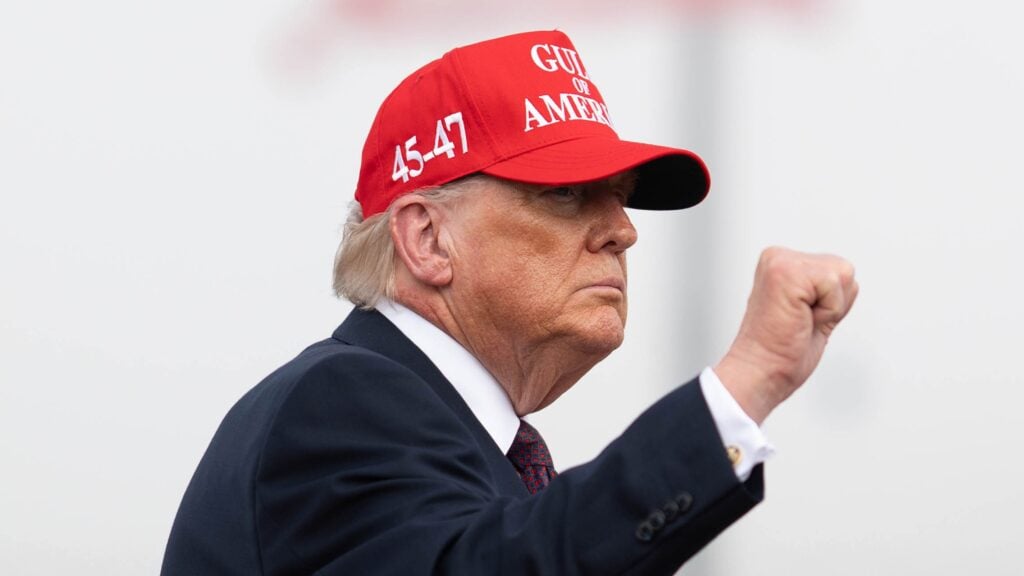
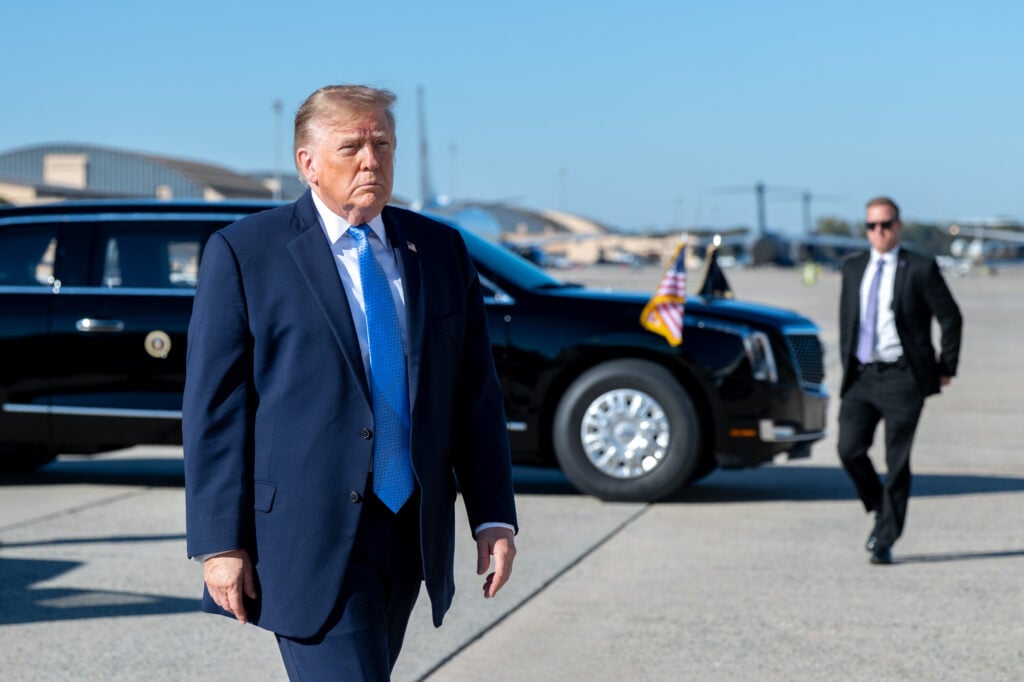
The White House, however, saw things differently. Trump has made American leadership in artificial intelligence one of his administration’s economic and strategic goals, and he feared the consequences of ousting the man most identified with Nvidia’s success. In an interview with CNBC yesterday, the President admitted that he had personally worked with board members to persuade them to bring Huang back: “I talked to them, let’s put it that way, and I convinced them,” Trump said. He added that the company’s board decided to act in line with the administration’s wishes.
According to reports, Trump began working to bring the CEO back almost immediately after his resignation, and the effort intensified over the past weekend as the President and Vice President J.D. Vance contacted people at the company. Commerce Secretary Howard Lutnick and Treasury Secretary Scott Bessent also joined the effort, although the administration itself disagreed about Huang’s future. According to reports, people close to the CEO tried to convince Trump that he had fallen victim to power struggles within the U.S. security establishment. One source described the thinking behind the effort to bring him back in four words: “Jensen is too big to fail.”
Beyond the economic considerations, Trump also offered a strategic reason for bringing Huang back. He said Huang holds extraordinary technological knowledge that has made him one of the most important figures in artificial intelligence. The President feared that if Huang lost his position at the President’s foundation, he might receive an offer from a Chinese company and bring his experience and expertise there. “It’s different because of the enormous amount of knowledge in his brain,” Trump explained when asked why he chose to intervene in this particular affair.
Photo: Shutterstock
The President also downplayed the seriousness of Huang’s predicament, stressing that he had apologized to his family and the company. He said the CEO’s personal-life mistakes do not erase his contribution to American industry. At the same time, administration officials said they found no evidence that Huang himself committed a crime or passed sensitive information to foreign parties. U.S. authorities, however, are continuing to examine Megaspeed’s activity and suspicions concerning the transfer of advanced chips to China in violation of export restrictions.
After days of pressure and talks, Nvidia announced yesterday that its board had unanimously decided to reinstate Huang as President and CEO, along with his seat on the board. The presidential statement said the decision followed a series of meetings with Huang, after which board members were convinced of his sincerity and ability to continue leading the company. During the decision-making process, the board consulted with senior U.S. administration officials and was convinced that the CEO’s return does not create a national security risk.
Board chairman Harvey Jones said management believes Huang is the right person to lead Nvidia and that his return serves the interests of shareholders, employees, and customers. Huang himself thanked the board for its renewed trust and promised to return to work with full commitment. Alongside the decision, the company made clear that the independent investigation into the suspected foreign intelligence effort will continue until it is completed. In addition, a dedicated committee has been established to oversee national security risks and compliance with export restrictions.
The President’s decision also had a significant economic impact. Nvidia is at the center of the artificial intelligence investment boom, and leading technology companies use its products to build data centers and run advanced models. Hence, Huang’s departure shook the capital markets and raised fears that the stability of one of the world’s most valuable companies was at risk. After his return was announced, Nvidia stock jumped more than 30% at the start of trading, and its market value grew by hundreds of billions of dollars. The S&P 500 also posted a sharp 4.7% gain.
Alongside the broader economic considerations, however, Trump’s personal financial interest in the company was also revealed. According to the financial disclosure the President filed in June 2026, at the end of 2025 he held shares worth between $12.5 million and $58 million. The White House stressed that outside financial entities manage Trump’s investment portfolio and that the President and his family cannot influence his decisions. Still, the personal shareholding, along with direct intervention in a private company’s management decisions, has become part of the political criticism in Washington.
Huang’s return drew sharp reactions from Republican and Democratic lawmakers alike. Former House Speaker Newt Gingrich, considered a longtime Trump ally, criticized the CEO’s relationship with the woman suspected of spying for China and questioned the wisdom of reinstating him to such a sensitive position. Senior Democrats also attacked the move, and House Minority Leader Hakeem Jeffries called the decision “indefensible, irresponsible and unbelievable.”
Republican Senator Tim Scott announced that Huang is expected to testify before the Senate Banking Committee on December 3. In addition, House committees plan to hold hearings on the company’s conduct, its ties to entities in China, and suspicions about the transfer of advanced chips. These investigations are not focused only on the CEO’s personal life, but also on whether his business and personal ties created security risks or affected Nvidia’s compliance with U.S. export laws.
Despite the decision to return him to the helm of Nvidia, Huang still faces a series of reviews and investigations. An independent company committee continues to examine the suspicions concerning attempted influence by foreign intelligence, while U.S. authorities are examining Megaspeed’s activity and the business ties related to chip exports to China. At the same time, lawmakers are demanding answers about the extent of the White House’s involvement in the board’s decision and the identity of the government officials who provided the company with the security assessments it relied on.
Trump, for his part, continues to defend his decision and argues that Huang’s return could be a positive move for Nvidia and the entire American artificial intelligence industry. But now that the President himself has intervened, attention in Washington is also turning to how the company will handle the investigations that remain open, and what will be revealed when Huang testifies before Congress in early December.