



Negotiations between Gadi Eisenkot’s Yashar party and Likud are continuing. Another meeting between representatives of the two parties is expected to take place on Monday at the Knesset, in an attempt to reach agreements on forming a government. The meeting comes after a long round of talks that left significant gaps. Among them are Likud’s demand to include the Haredi parties in the coalition and Yashar’s demand to keep Otzma Yehudit chairman Itamar Ben Gvir out of the government. Meanwhile, Democrats chairman Yair Golan called this morning for an end to what he called “the sham talks with Likud” and for forming a government without Netanyahu.
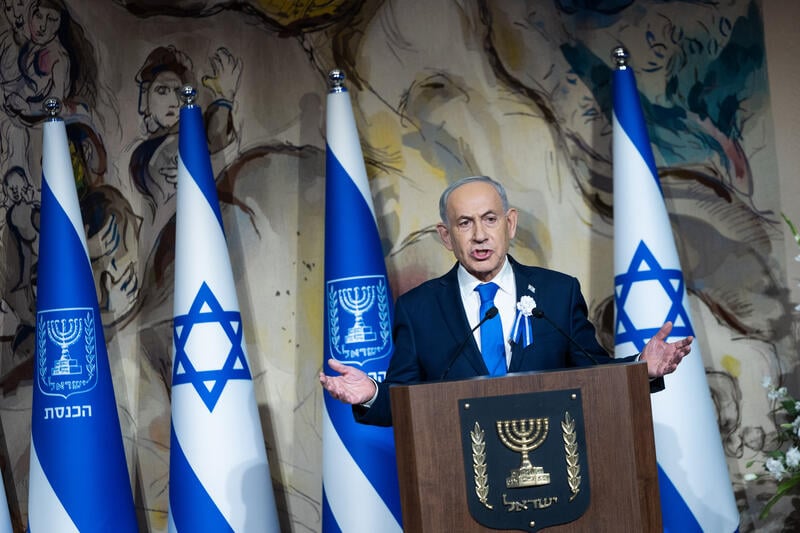
Yesterday, a long meeting took place between the Likud and Yashar negotiating teams, as part of the marathon of talks Eisenkot announced to examine the possibility of forming a broad government. Despite the length of the meeting, the sides did not reach agreements on the main issues holding up the formation of the government. One significant dispute concerns the identity of the next prime minister. Yashar demands that Eisenkot serve in the post for four full years, with no rotation, while Likud insists that Netanyahu head the government, or at least be the first to serve under a rotation agreement.
Another dispute concerns the makeup of the coalition. Eisenkot seeks to form a government without some of Netanyahu’s partners, including right-wing parties whose inclusion he opposes. Likud, on the other hand, demands that no veto be placed on the national camp’s natural partners, including the Haredi parties and Otzma Yehudit, led by Itamar Ben Gvir.
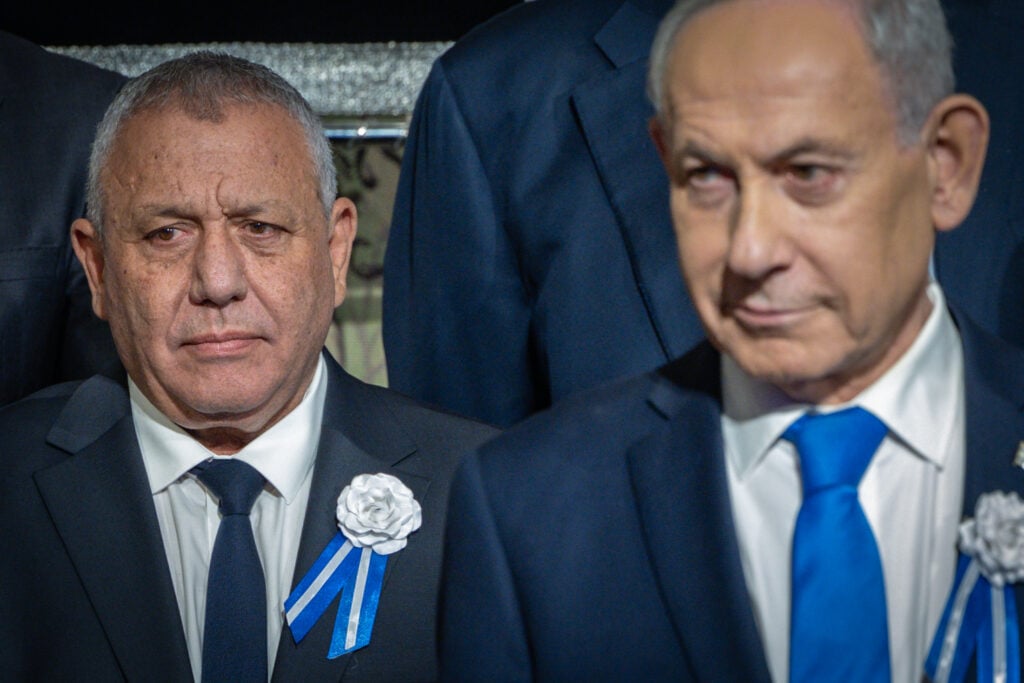
The draft law also remains a point of contention. Likud demands that representatives of the Haredi parties be included in discussions on the draft arrangement, while Yashar seeks to advance a framework consistent with the party’s positions on military service. At the end of the meeting, it was agreed to continue the talks, and the teams are expected to meet again today at the Knesset.
According to a report by C14’s head of the political desk, Matti Tuchfeld, people close to Eisenkot make clear that they do not intend to let the negotiations go on indefinitely. Sources in Yashar said this week will be devoted to exhausting two parallel tracks: an attempt to form a unity government with Likud, and, at the same time, an examination of the possibility of forming a government with the Haredi parties. However, if neither track produces an agreement, Eisenkot intends to move as early as next week to swear in a government.
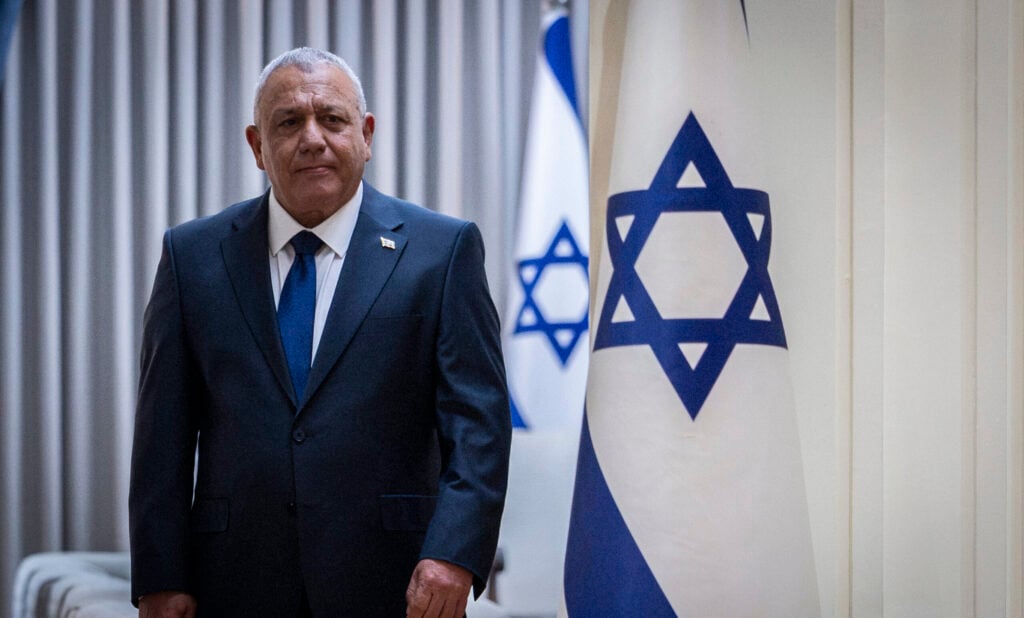
The move is also tied to the constitutional timetable. Eisenkot’s mandate to form the government is set to expire on December 6. His party wants to avoid a situation in which he fails to form a coalition and the option of forming the government passes to Netanyahu and then to the Knesset. According to the sources, a minority government relying on the Arab parties is not merely an option being considered in principle, but a move that Yashar seeks to carry out as early as next week if the current negotiations fail.
One key detail concerns the pressure Eisenkot’s camp is putting on Beyachad chairman Naftali Bennett and Yisrael Beytenu chairman Avigdor Lieberman. Sources in Yashar said they “expect the support of Naftali Bennett and Avigdor Lieberman” if it proves impossible to form a unity government or reach agreements with the Haredim. According to the same sources, the marathon of talks with Likud is being held partly because of Bennett’s demand to seriously examine the possibility of a unity government led by Eisenkot.
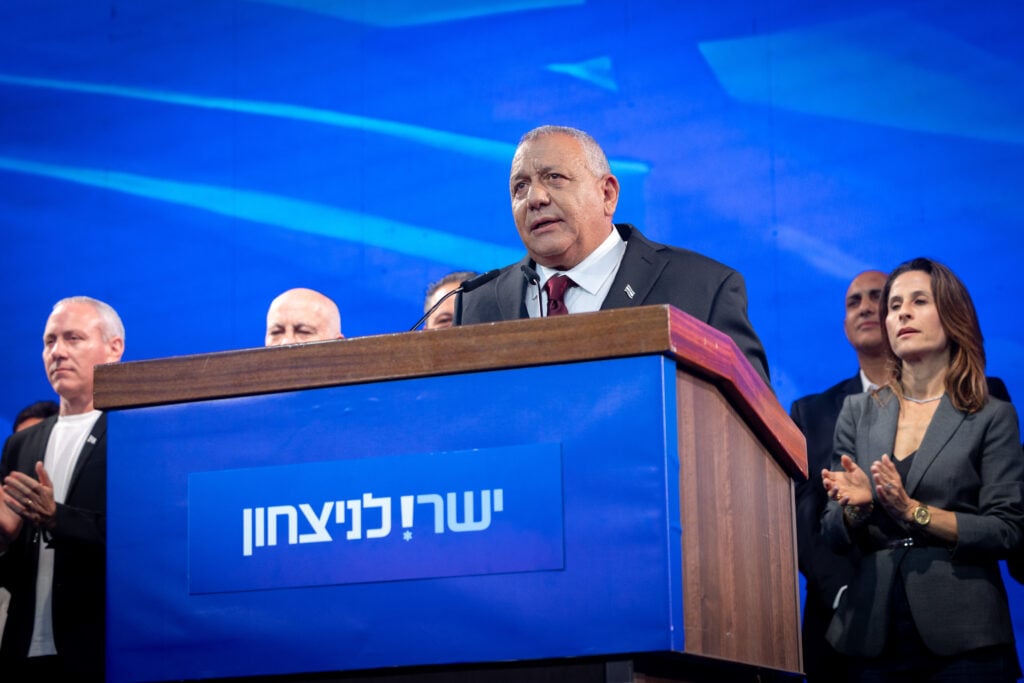
People close to the Yashar chairman believe that if it becomes clear the negotiations are not leading to agreements, there will be no justification for delaying the formation of a government. Accordingly, Bennett is expected to support the alternative of a minority government relying on the support of the Arab factions.
Similar pressure is being directed at Lieberman, who is maintaining contact with United Torah Judaism to explore the possibility of bringing the Haredi parties into the coalition. Yashar estimates that this track, too, will be exhausted by the end of the week. If no agreements are reached, or if only United Torah Judaism agrees to join without Shas, an Arab faction may be needed to form the government. The demand on Lieberman is especially complicated given his declared opposition to a government relying on the support of the Joint List and Ra’am. Whether he will agree to support such a move therefore remains one of the main obstacles facing Eisenkot.
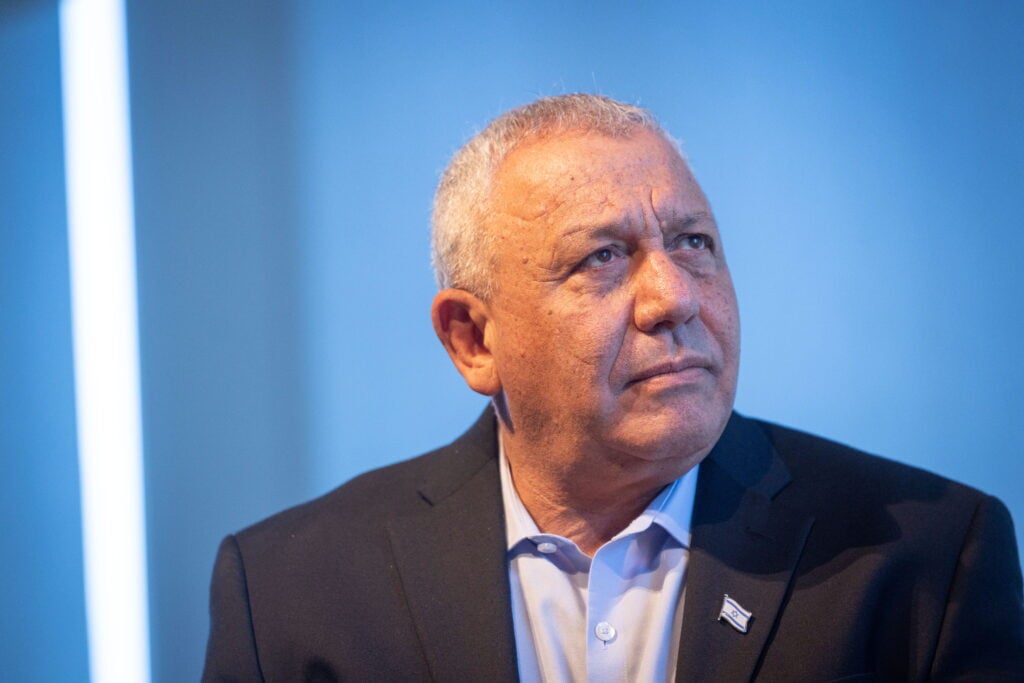
Alongside the formal negotiations, our political correspondent Moti Castel reported on secret contacts between Likud and Yashar representatives. According to the report, the behind-the-scenes talks also raised possible changes to Knesset posts, including replacing Knesset Speaker Amir Ohana with Matan Kahana and appointing Avigdor Lieberman as chairman of the Foreign Affairs and Defense Committee.
Today’s negotiating meeting at the Knesset is part of an attempt to exhaust the possibility of a unity government before Eisenkot has to decide whether to turn to the minority government track. People close to the Yashar chairman want to wrap up contacts with Likud and the Haredim this week and put Bennett and Lieberman before a decision on supporting a government relying on the Arab factions. Likud, for its part, continues to insist on Netanyahu heading the government and on including the national camp’s coalition partners.