


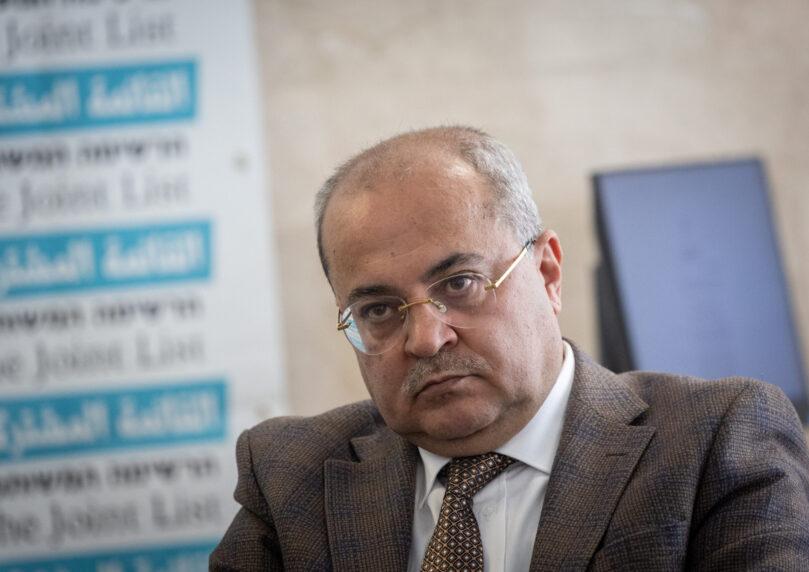
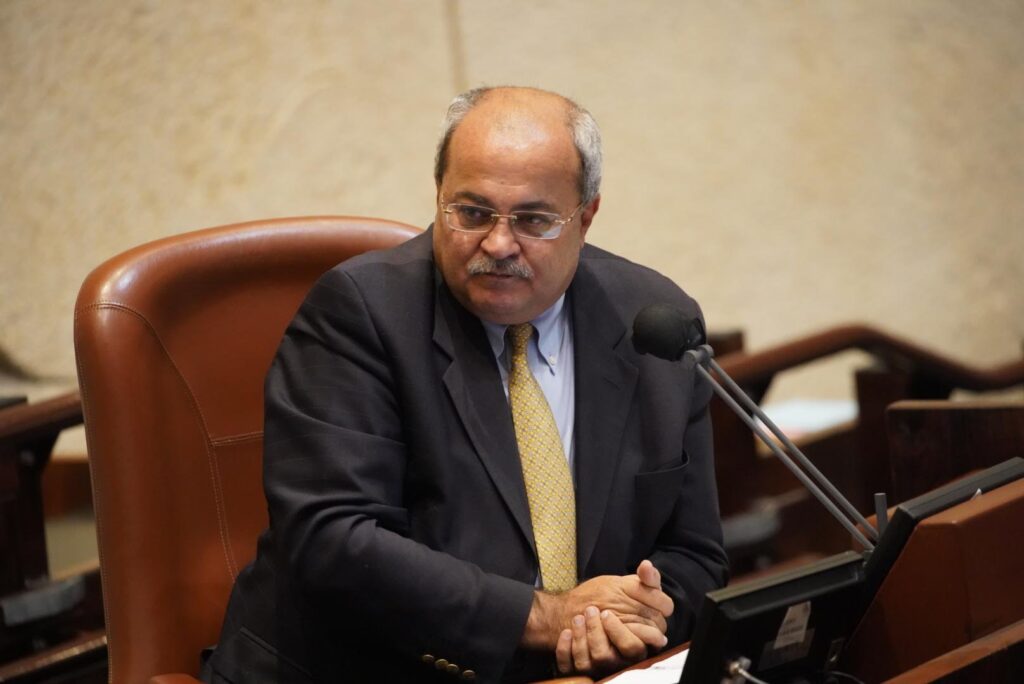
Ahmad Tibi’s sharp confrontations with right-wing Knesset members are drawing fire from an unexpected quarter: Arab citizens and activists in Israel. Following heated exchanges—especially during his first session chairing the Knesset plenum as deputy speaker—social media posts are calling on him to tone it down. Some warn that public clashes could inflame Jewish-Arab tensions and torpedo chances of forming a government backed by Arab parties. Others don’t oppose Tibi’s aggressive approach but want him to hold off on confrontations until coalition negotiations wrap up.

 2+
Ahmad Tibi, chairman of the Ta’al party and one of the most veteran and prominent politicians in Arab Israeli society, has long been known for his combative political style—mixing confrontations, cynicism, and sometimes defiant statements toward his political rivals. Among the figures he’s clashed with over the years are Ministers Itamar Ben-Gvir and Bezalel Smotrich. This approach enjoys support among some of his voters, who see it as a firm stand against right-wing parties. But now it’s becoming clear that other voices exist within the Arab public.
In the recent elections, the Joint List scored 11 mandates while Ra’am won eight. Together, the two lists reached 19 Knesset seats—a result that gave Arab parties significant weight in the political system. During the campaign, Tibi repeatedly declared his desire to end the rule of Benjamin Netanyahu and his partners. After election results were published and Gadi Eisenkot was tasked with forming the government, a sense strengthened among his supporters that the Arab public had played a central role in shifting the balance of power.
 2+
Tibi himself received extensive coverage in Arab and Israeli media, and his public standing was reinforced by his appointment as Knesset deputy speaker. But precisely against the backdrop of this political achievement, voices have begun warning that continued confrontations with right-wing Knesset members could damage the ability to translate election results into real influence on the composition of the next government.
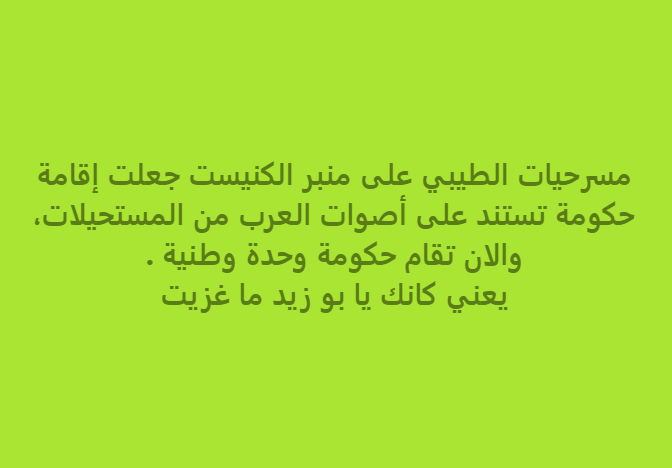
In recent days, social media posts have appeared criticizing Tibi’s conduct and the public confrontations of Arab Knesset members with right-wing representatives. One post stated: “Tibi’s performances on the Knesset stage have made forming a government that relies on Arab votes impossible, and now a national unity government is being formed.” The writer expresses concern that Tibi’s aggressive style is providing parties opposed to cooperating with Arab lists with justifications to avoid relying on them in forming the government.
 2+
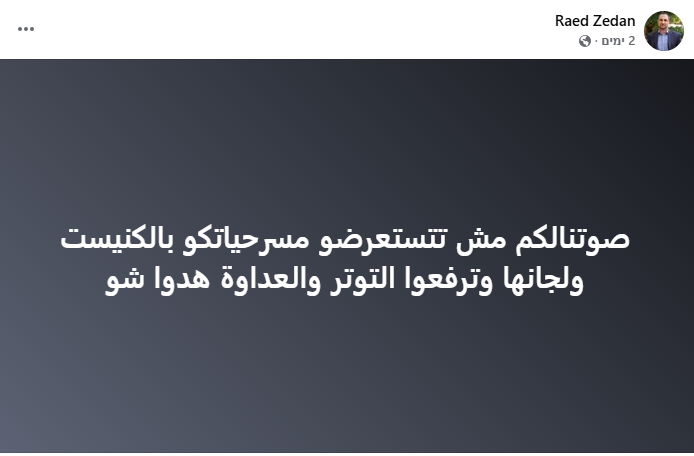
Another post issued an explicit call to restrain conduct in the Knesset: “We voted for you, don’t put on shows in the Knesset and its committees and increase tension and hostility. Calm down a bit?” The message in this post isn’t just about coalition considerations. It also expresses concern about the social ramifications of public confrontations between Jewish and Arab elected officials, and the possibility that political tension will seep into relations between citizens themselves. The criticism reflects a position that electoral success doesn’t just grant elected officials political power, but also responsibility for how they use it.
In another post, which was deleted after a few hours, it was claimed that political activists from Hadash and Balad are asking Arab Knesset members to stop confrontations with right-wing representatives. The post stated: “Dozens of activists from Hadash and Balad are demanding that Tibi and the other Arab Knesset members stop the childish performances with extremist Jews, at least until the government is formed, because these performances could cause Ben-Gvir and Smotrich to return to power.”