


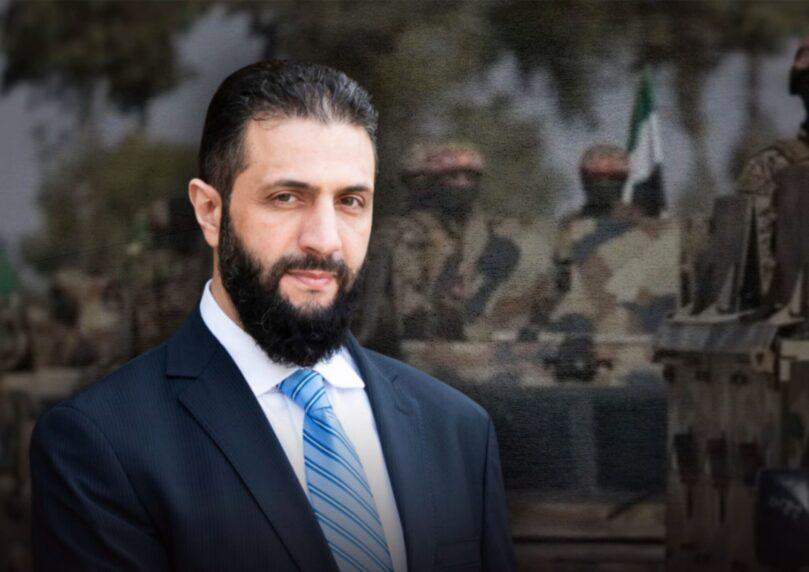

Syrian security forces announced Sunday they thwarted an attempt to smuggle weapons into Lebanon. According to Syria’s official news agency, the operation was carried out in the Damascus suburbs by Syrian General Intelligence and Internal Security forces, who seized various types of weapons and arrested a suspect involved in the smuggling.
ضبط شحنة أسلحة معدة للتهريب إلى لبنان في ريف دمشق
🔴 أفادت وكالة “سانا” بأن الاستخبارات السورية والأمن الداخلي ضبطا شحنة أسلحة في ريف دمشق كانت معدة للنقل إلى لبنان، وأوقفا أحد المشتبه في تورطهم
🔴 قالت قوى الأمن إن التحقيق مستمر لتحديد امتدادات الخلية والشبكات المرتبطة بها وملاحقة بقية المتورطين، بعد إعلان ضبط شحنة أخرى الجمعة وإحباط محاولة مماثلة في طرطوس خلال أغسطس
🔴 في المقابل، أعلن الجيش اللبناني توقيف ثلاثة مشتبه بهم في عملية شرق البلاد، وضبط نحو 264 كيلوغراماً من المتفجرات المهربة من سوريا، شملت مادتي “C4” و”TNT”، وإحالة الموقوفين للتحقيق القضائي
#نكمن_في_التفاصيل
— اندبندنت عربية (@IndyArabia) November 22, 2026
In a statement posted on their official Telegram channel, Internal Security forces said the investigation continues to expose those responsible for the cell and the smuggling networks connected to it. The forces are working to locate and pursue others involved in the case to ensure such activities are thwarted and to prevent Syrian territory from being used as a corridor for transferring weapons and military equipment.
The seizure comes just two days after Syrian intelligence announced Friday they had stopped another weapons shipment also destined for smuggling across the Lebanese border. It coincides with the Lebanese army’s interception of explosives that had already crossed into Lebanon.
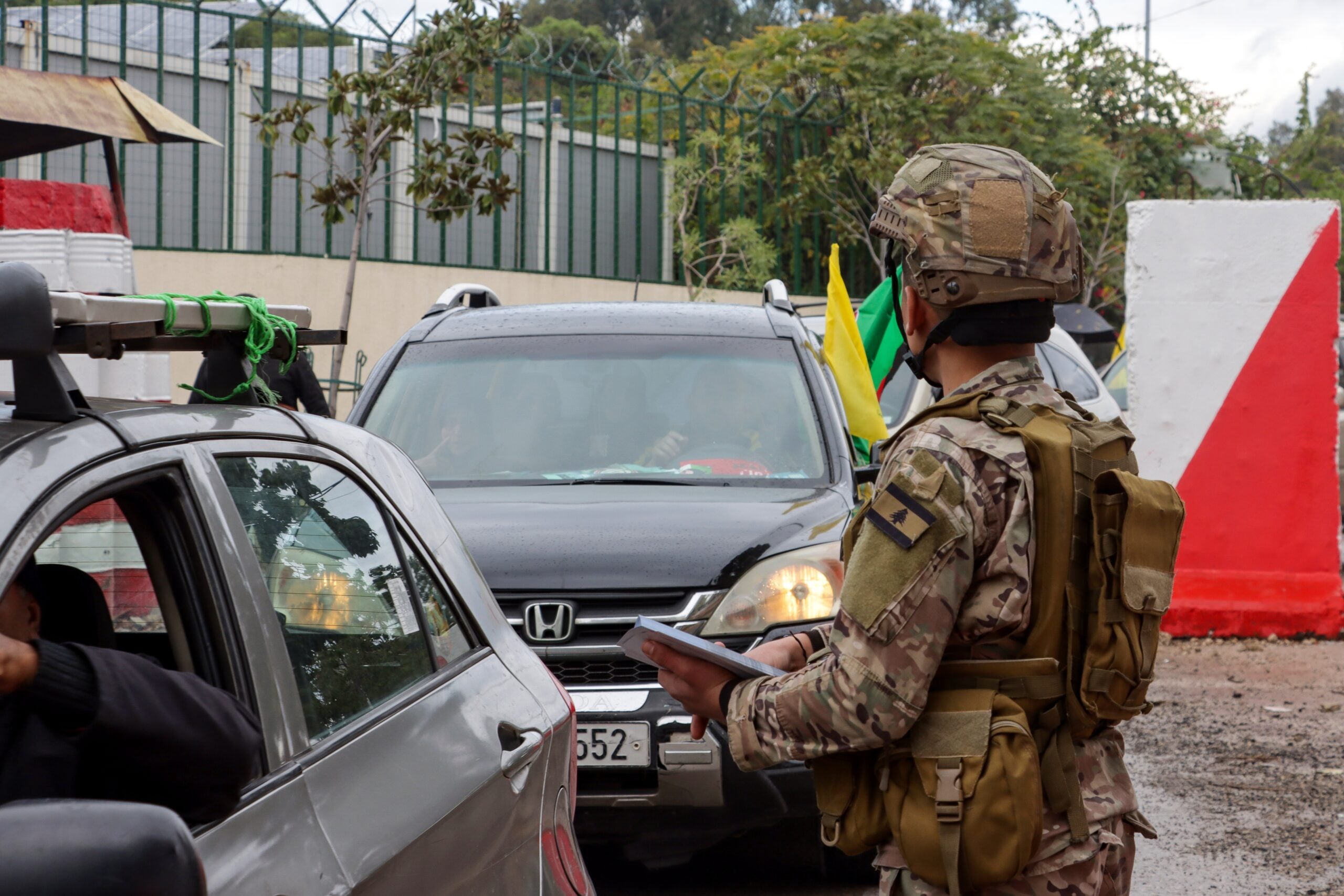

While neither Syria nor Lebanon rushed to say where they believe the weapons shipments were headed, recent history suggests Hezbollah is likely behind these attempts.
Until two years ago, moving goods from Syria to Lebanon was routine business during Assad’s rule. But since his fall, al-Julani has worked to shut down the smuggling route and prevent ammunition from reaching Hezbollah—the group he fought for years on Syrian soil. Still, even after two years in power, al-Julani doesn’t hold full sovereignty over the territory, and Hezbollah still manages at times to get its hands on new weapons.