



A negotiating meeting between the Yashar party, led by Gadi Eisenkot, and the Likud party, led by Benjamin Netanyahu, began on Sunday as part of efforts to form the next government. The meeting comes after an exchange of accusations between the sides and amid a dispute over the makeup of the future government. Eisenkot is seeking to advance a broad government, while Likud stresses the need to form a national unity government.
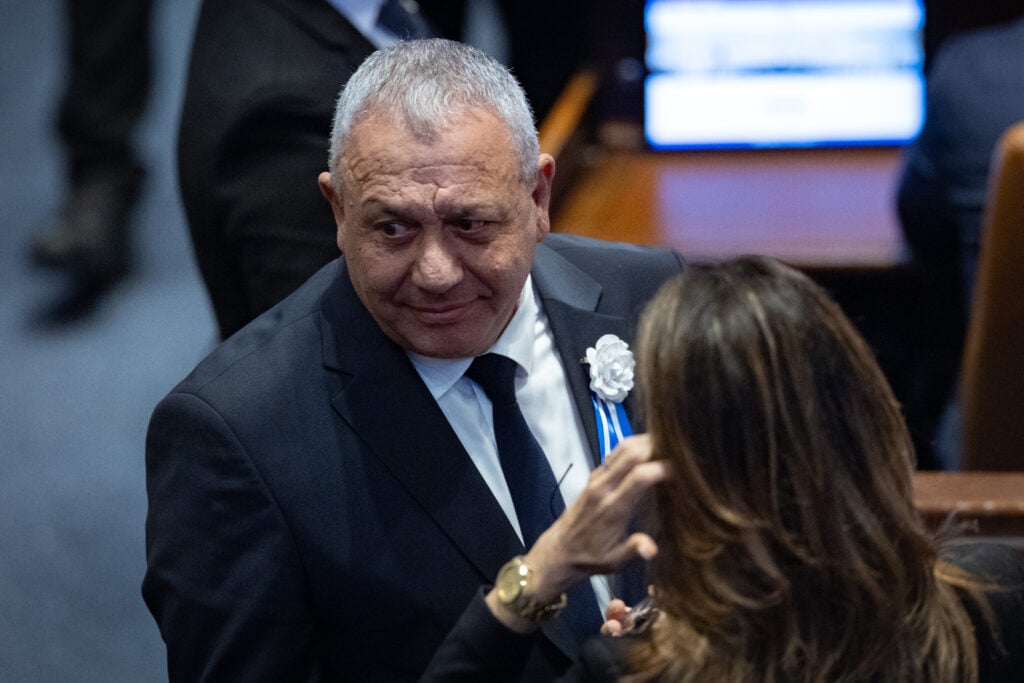
The meeting comes after Eisenkot announced over the weekend that he intends to hold a marathon of talks between the negotiating teams to examine the options for forming a new government. If the talks do not produce an agreement, the Yashar chairman will form a minority government backed by the Arab parties. Likud criticized the conduct of Eisenkot’s party but agreed to continue the dialogue, on the view that forming a unity government is a national necessity.
Last Sunday, the parties’ representatives met at the Dan Accadia Hotel in Herzliya. Representing Likud were faction chairman MK Ofir Katz and attorney Michael Rabello. Representing Yashar! were MK Hili Tropper and Yoav Horowitz. Shalom Shlomo, a representative of Naftali Bennett’s Beyachad party, also attended the meeting.
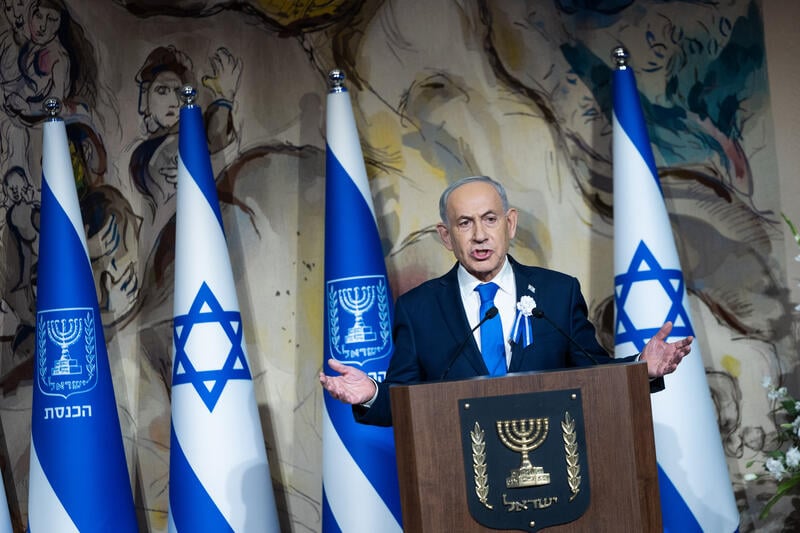
The meeting ended after about an hour. At its conclusion, Likud and Yashar! issued a joint statement saying the meeting was held in a businesslike atmosphere and that the sides agreed to continue the talks. However, no agreements were reported on the main coalition issues.
In the days that followed, a dispute broke out between the sides over the pace of the negotiations. Yashar! claimed it had repeatedly approached Likud asking to schedule further meetings, while Likud criticized Eisenkot’s conduct and his party’s positions.
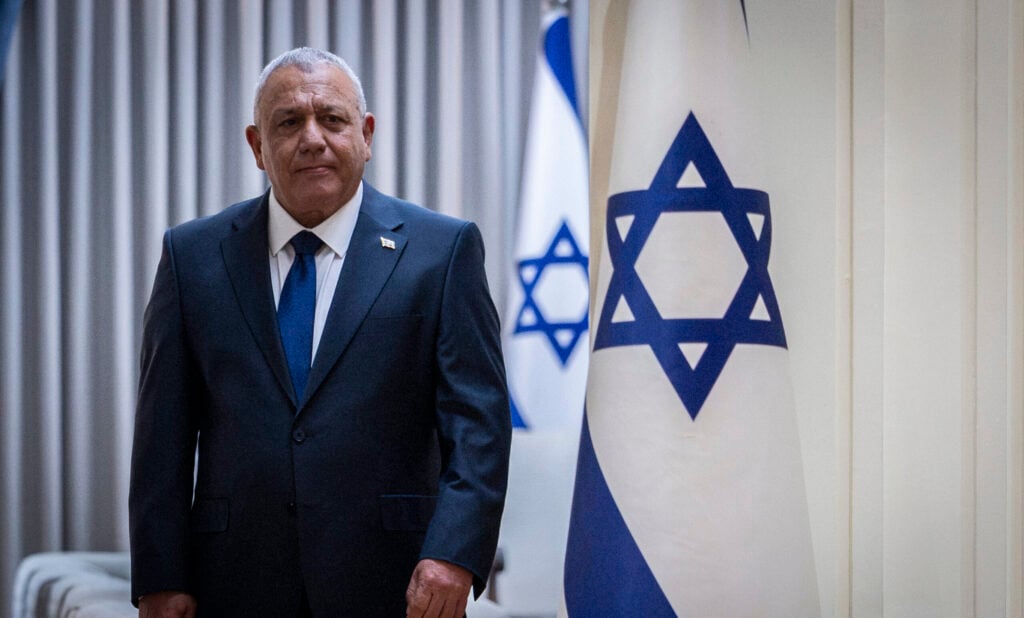
One of the main obstacles to forming a broad government concerns the identity of the next prime minister and the makeup of the coalition. Beyachad chairman Naftali Bennett has made clear that he is committed to ensuring Netanyahu does not head the next government and that his party will not join a bloc led by him. Meanwhile, Likud demanded that Bennett or his representative not take part in the negotiations with Yashar.
In the previous talks, Eisenkot demanded that Likud join a government led by him for four full years, with no rotation agreement and without Netanyahu as prime minister. He also demanded a government without the right-wing bloc parties, which he defined as extreme, and without the Haredi parties.
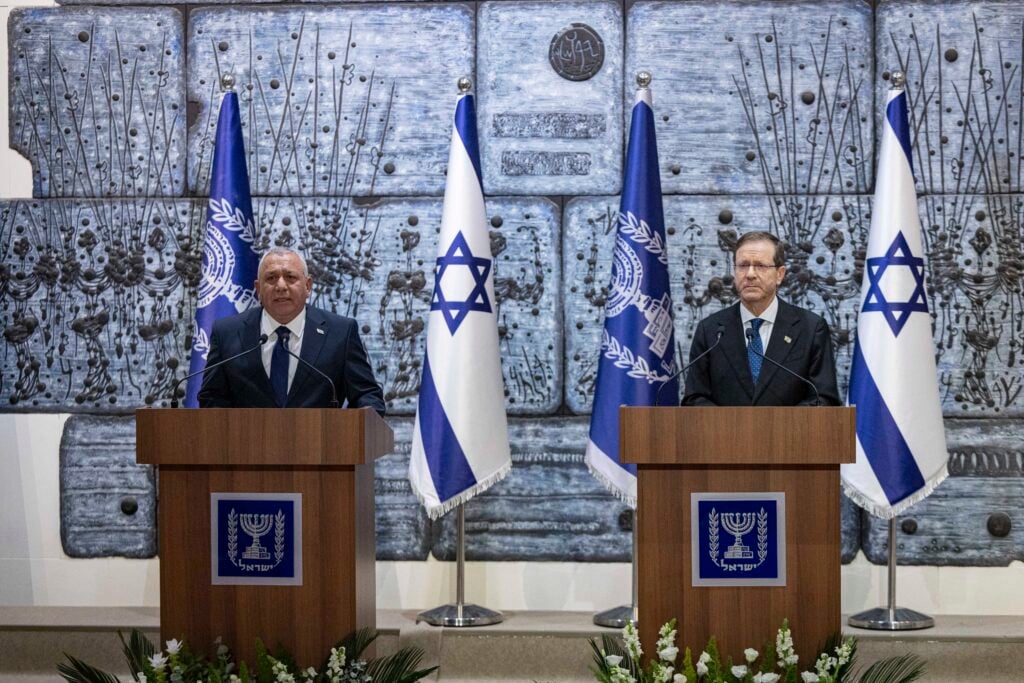
Another demand presented by Yashar! concerned the post of Knesset Speaker: Likud’s support for appointing MK Matan Kahana to the role in place of Knesset Speaker Amir Ohana. Likud, for its part, made clear that Netanyahu is willing to hold talks on forming a unity government but does not intend to give up the premiership or his political partners.
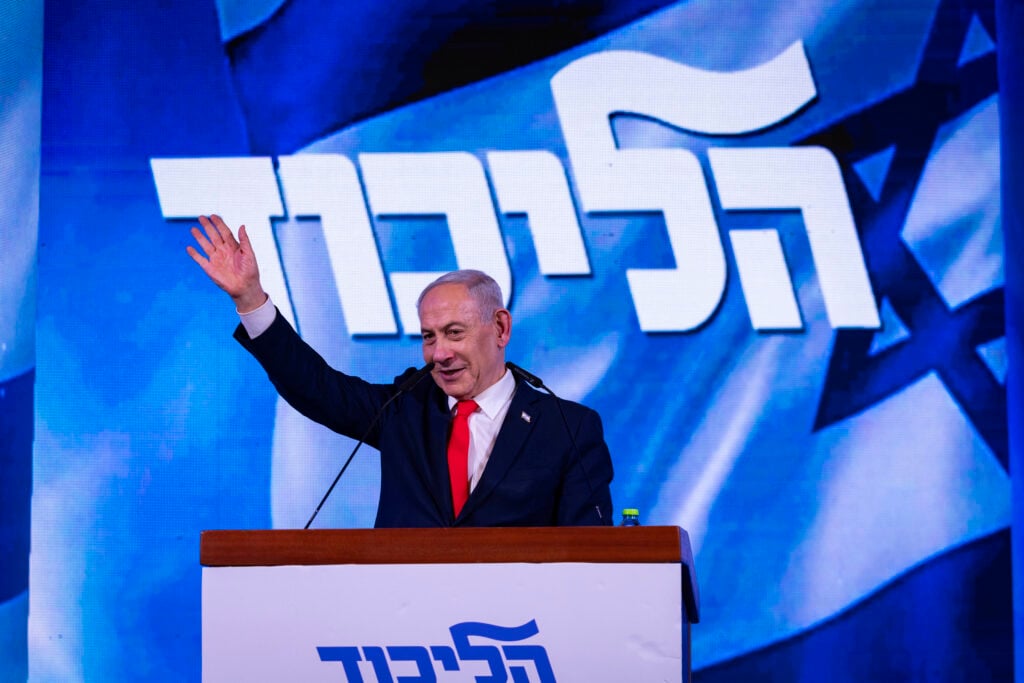
On Likud’s side, Netanyahu has set two core principles for any possible framework for a unity government. He would be the first to serve as prime minister under a rotation agreement, and there would be no veto on the other right-wing bloc parties joining. This position also includes the Haredi parties and Otzma Yehudit, led by Itamar Ben Gvir, which Likud seeks to keep in its political camp.
This is a significant gap from Eisenkot’s demands, as he seeks to form a government led by him without Netanyahu and without some of Likud’s coalition partners. Another dispute concerns legal and judicial issues. Likud wants to maintain its positions on these matters, while the “Change” bloc is advancing moves to reverse legislation passed by the previous government.
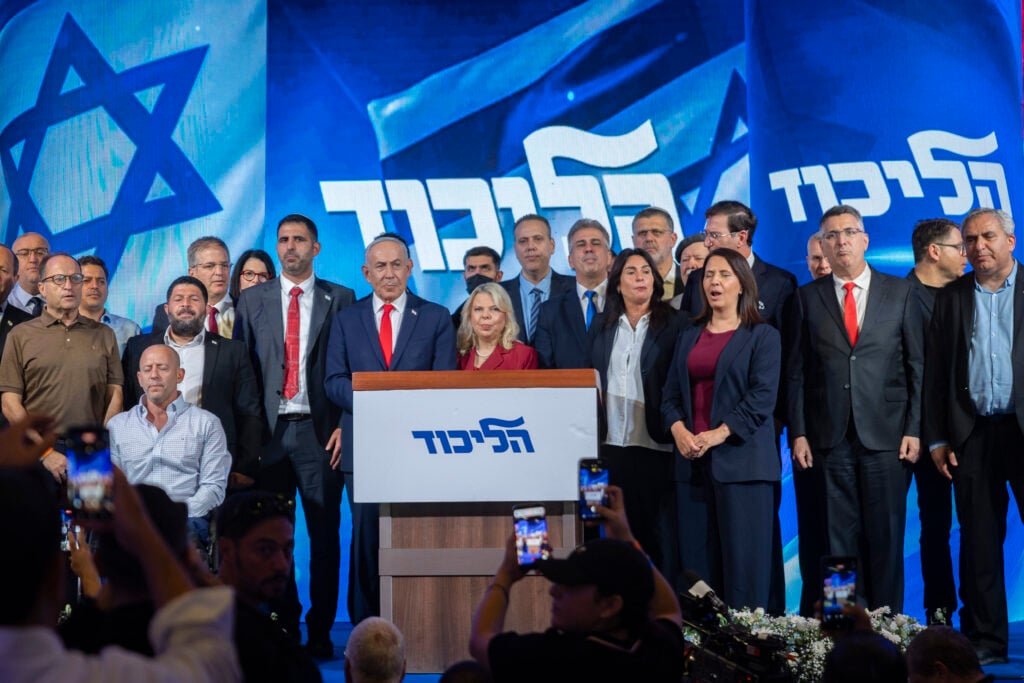
According to the results of the elections for the 26th Knesset published on Channel 14, Likud won 27 seats, Yashar! 21 seats and Naftali Bennett’s Beyachad 12 seats. Together, the three parties hold 60 seats in the Knesset, one short of a 61-seat majority. The figures show how important it is to bring additional partners into any coalition framework, and how hard it is to reach agreements between parties with different demands on the government’s makeup. While Netanyahu seeks to preserve the alliance with his partners in the right-wing bloc, Eisenkot is trying to advance a government that would rely on the Arab parties.
Meanwhile, contacts were also held behind the scenes between Likud and Yashar! representatives. Our political correspondent, Moti Castel, reported on secret contacts between the sides, alongside public calls to form a unity government. The reports also mentioned planned moves in the Knesset, including the possibility of replacing Amir Ohana with Matan Kahana as Knesset Speaker, and appointing Avigdor Lieberman as chairman of the Foreign Affairs and Defense Committee.
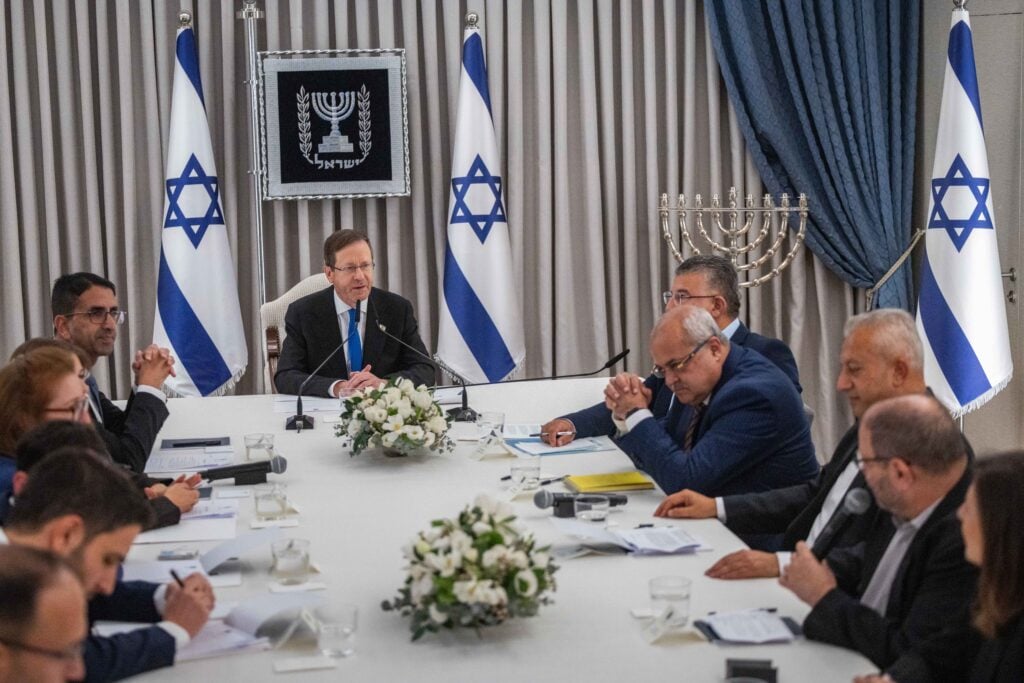
Ahead of the previous meeting, Netanyahu called on Eisenkot to enter negotiations without preconditions, aiming to examine the formation of a national unity government. Eisenkot responded sharply, calling the call a “bluff” and a “political trick,” and claimed the meeting between the parties’ teams had already been scheduled. Further accusations followed over which side truly wants to reach agreements and which is using the contacts for political purposes.
Likud expressed willingness to continue the dialogue but stressed that a broad government cannot be based on boycotting the right-wing bloc parties. Yashar, on the other hand, stressed that the options for forming a new government must be exhausted, but did not back down from its core demands regarding the premiership and the makeup of the coalition.