


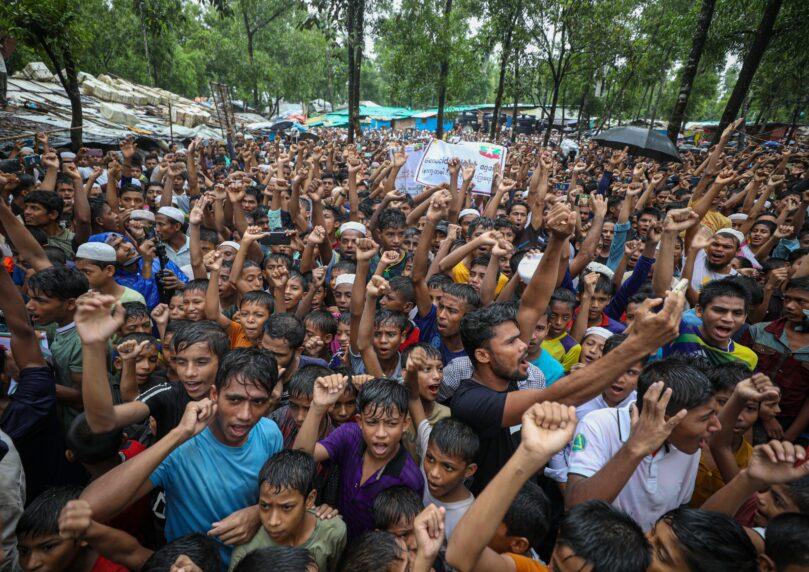

The International Court of Justice ruled Thursday that Myanmar committed genocide against the Rohingya, a stateless Muslim minority in Rakhine State in western Myanmar, in a case that has been ongoing for years. Gambia filed the case in 2019, alleging Myanmar violated the Convention on the Prevention of Genocide.

 2+
The ruling against Myanmar is the first time in history that a state—not an individual—has been convicted of violating the Genocide Convention. The decision could pave the way for reparations to survivors and require Myanmar to halt ongoing violence, though the court has no direct enforcement power.
Under the Genocide Convention, judges had to determine not only that atrocities occurred, but that there was intent to destroy a protected group, in whole or in part. Gambia argued Myanmar’s actions were part of a coordinated campaign that included dehumanizing language, while Myanmar claimed its military was acting against Rohingya insurgents and had no genocidal intent.
The Events Leading to the Ruling
In 2017, after attacks by armed Rohingya militias on police stations and a military base, Myanmar’s security forces launched an operation that included killings, village burnings, and sexual violence, according to testimony and reports from human rights organizations and the UN. Some 400 villages were destroyed, and the UN estimates at least 10,000 people were killed.
 2+
The violence triggered one of the fastest mass exoduses in modern history, with more than 700,000 Rohingya fleeing to Bangladesh. Today, roughly one million refugees live in camps in Bangladesh with little prospect of returning home, and many attempt dangerous sea crossings to Malaysia in overcrowded boats.
Legal Implications
Because this is the first time in history a state has been convicted of genocide, legal experts believe the ruling could pave the way for similar decisions in the future. The decision may also impact Israel, which is currently facing a case brought by South Africa over the war in Gaza. Both cases rely on provisions of the 1948 Genocide Convention, so the Myanmar ruling could serve as precedent.
Myanmar’s Position
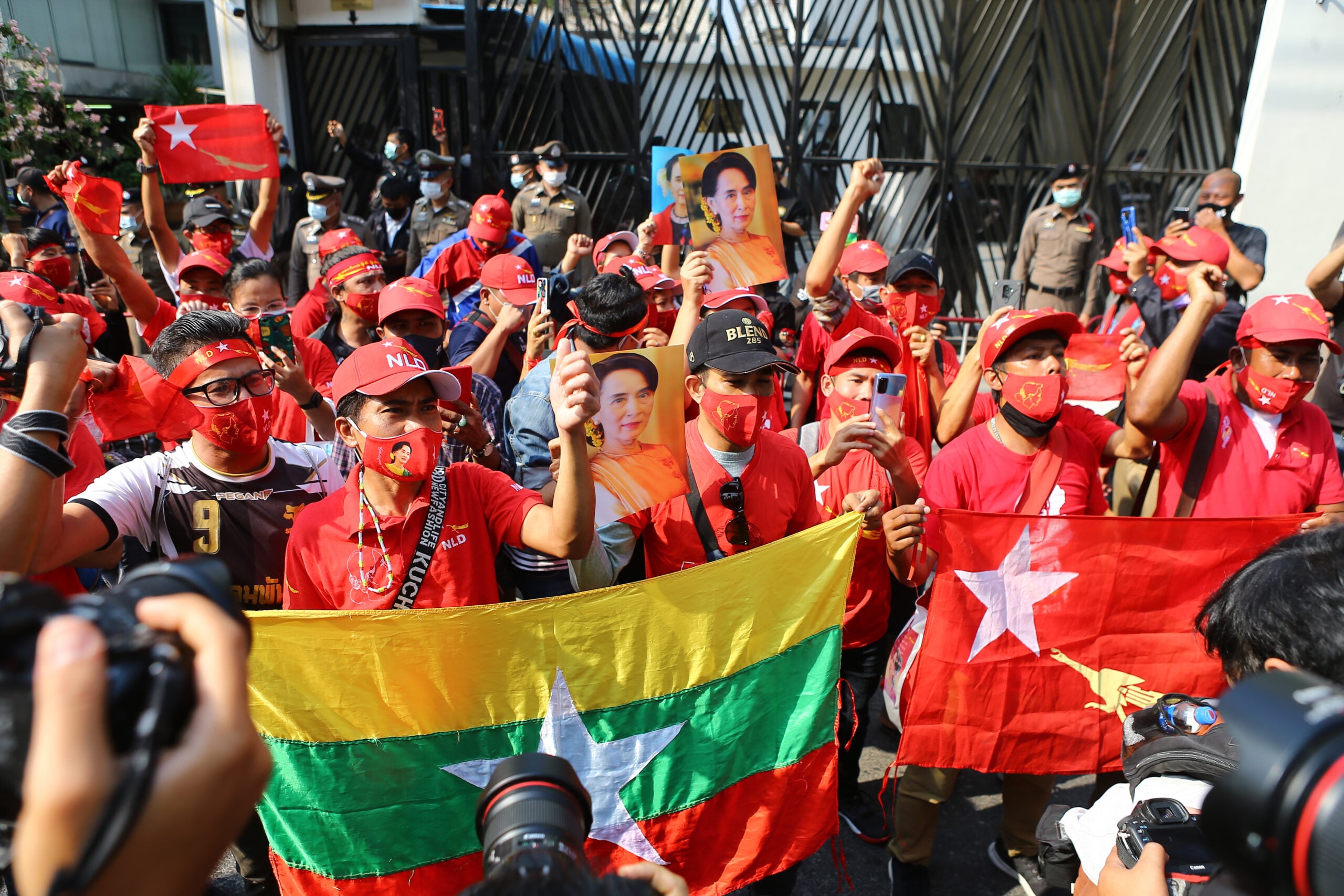
Myanmar denied the allegations, claiming its military operations were a response to terrorist activity by armed militias. Government spokesman Ko Ko Hlaing said in January hearings that the country “was not required to sit idly by and allow terrorists to operate freely in northern Rakhine,” emphasizing the operations were military actions against insurgents.
 2+
The Rohingya, a Muslim minority in Rakhine State in western Myanmar, were stripped of citizenship in 1982 by the military regime and became one of the world’s largest stateless populations. Over the years they have suffered repression, movement restrictions, and violence, and the UN has described them as “the most oppressed group in the world.”