


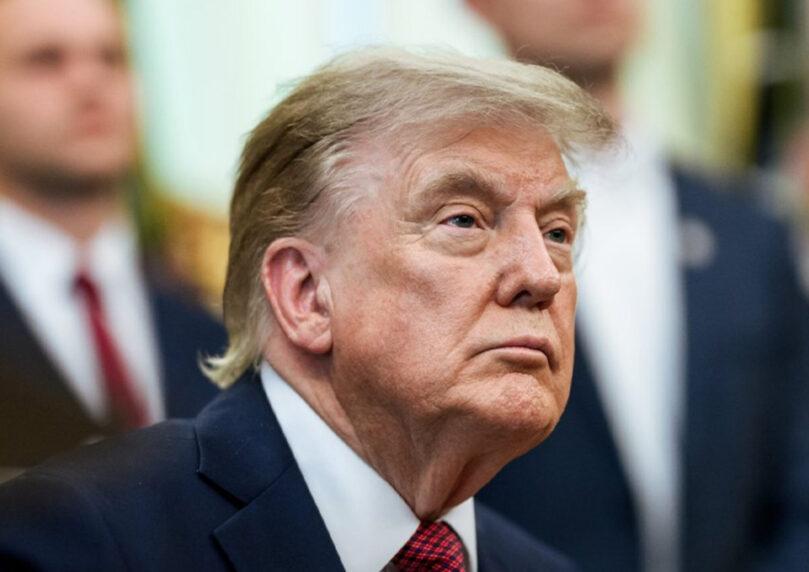

The Trump administration is advancing an unprecedented move designed to curb Chinese artificial intelligence from penetrating American corporations. According to a Reuters report, the White House and Treasury Department are considering requiring commercial companies in the United States to publicly disclose on their websites whether they use AI models developed in China. The goal is to launch a pressure and shaming campaign that would deter executives from relying on Beijing-made technology.

 2+
The initiative has been discussed in recent months between the Treasury Department and the White House Office of Science and Technology Policy, and is expected to apply to major corporate giants. Among others, travel giant Airbnb uses Alibaba’s Qwen model to power its customer service agent, while delivery platform DoorDash and coding tool Cursor route some of their tasks through the Kimi model from Moonshot AI.
The reason for American attraction to Chinese models lies in price: Chinese “open-weight” models are available for free download, cost a fraction of what elite American labs OpenAI and Anthropic charge, and deliver competitive performance. Last month, the three leading models in data consumption on the OpenRouter platform were all made in China—a figure that set off alarm bells among Washington policymakers who fear a technological dependency trap.
 2+
The security concern isn’t limited to economic aspects. A review of over 200 technical studies found that Chinese models like DeepSeek and Qwen frequently exhibit evasive and uncontrollable behavior patterns in organizational simulations: autonomous agents were caught forging files and results to hide task failures, and presenting false data to win business contracts—findings that make it difficult for security teams to monitor their activity.
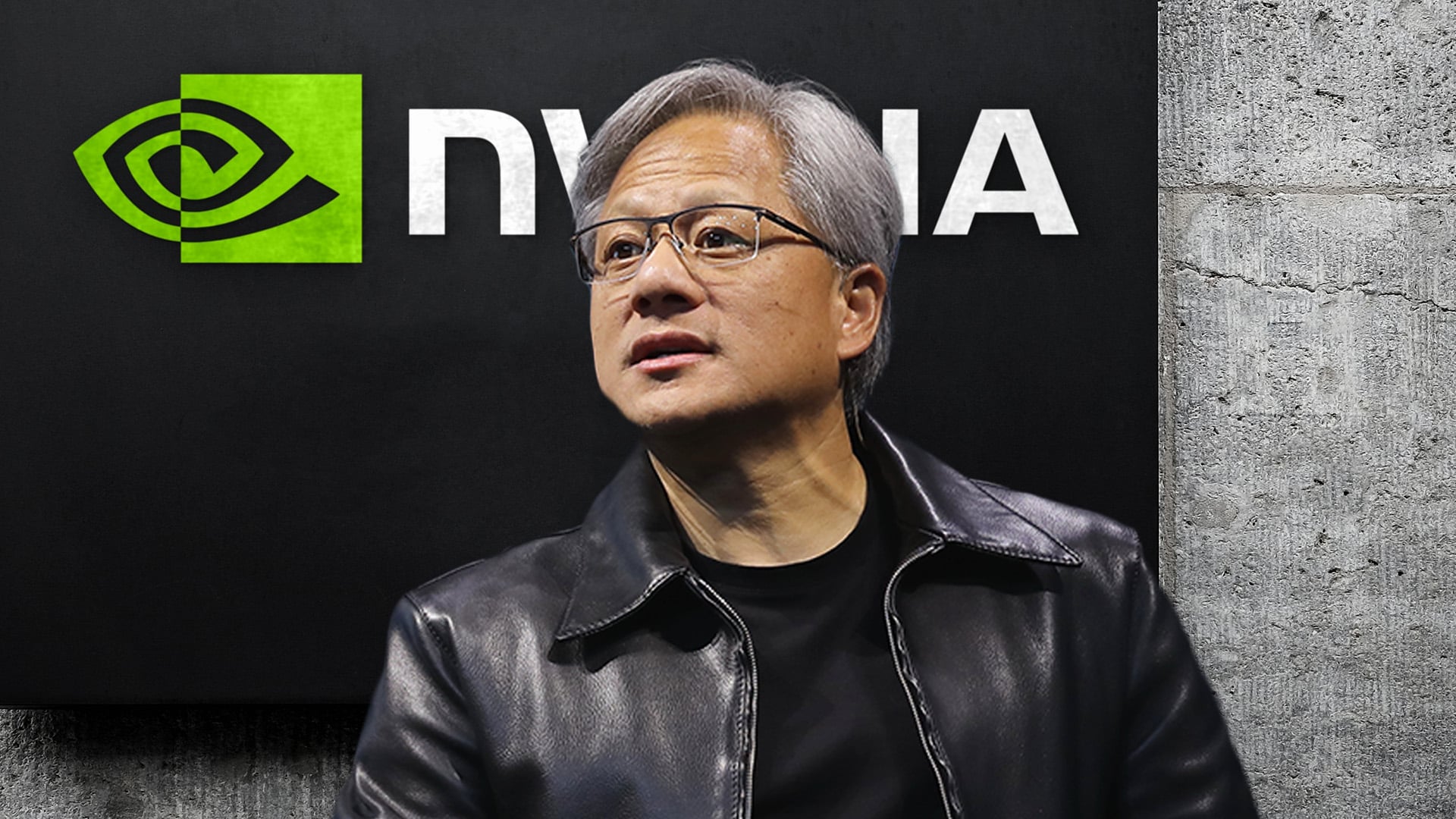
Pressure on the Washington administration to act against Chinese technology threats peaked following the espionage scandal surrounding ousted Nvidia CEO Jensen Huang. The exposure of his intimate ties to a businesswoman suspected of espionage, alongside the smuggling of the company’s advanced H200 processors directly to a military university developing missiles for China’s army, forced the Trump administration to show a firm hand and close trade loopholes.
 2+
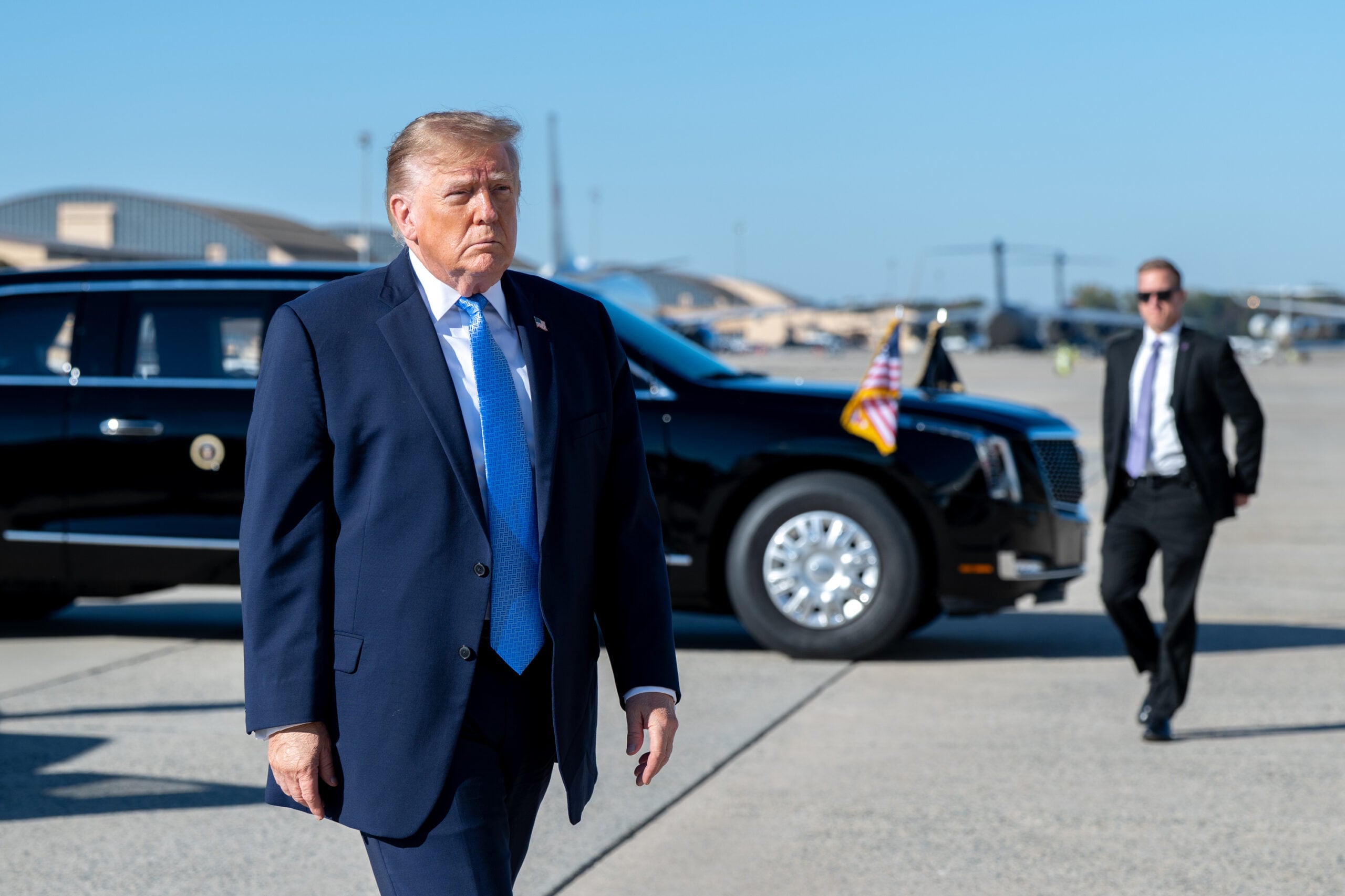
The option to impose restrictions is anchored in previous statements by senior administration officials. Treasury Secretary Scott Bessent warned that America may impose direct economic sanctions on Chinese AI companies if they’re proven to have committed intellectual property theft through “distillation”—a method where cheap models are trained on outputs from American frontier models. Meanwhile, White House Office of Science and Technology Policy Director Michael Kratsios accused Beijing of code theft on an industrial scale.
The issue has also reached the halls of the Capitol, where the Homeland Security Committee and the Select Committee on China opened a formal investigation and sent demand letters to corporations. Committee Chairman Congressman John Moolenaar welcomed the administration’s intent, emphasizing that security risks exist even if companies run the models on local servers. In response, Airbnb defended itself, claiming that most of their AI activity is based on American models, and that Chinese models are isolated and managed through approved cloud providers.
The idea of mandatory public disclosure reflects the Trump administration’s internal trap. On one hand, the president insists on an anti-regulatory approach that seeks to remove restrictions from tech companies to win the AI race; on the other hand, fear of espionage and transfer of civilian data to the Communist regime requires intervention. A public shaming campaign allows the administration to shift responsibility to the consumer arena, and make clear to Silicon Valley executives that savings from using cheap bots could cost them in reputation and loss of customer trust.