



U.S. President Donald Trump, Russian President Vladimir Putin, and Chinese President Xi Jinping are set to hold an unprecedented, first-of-its-kind trilateral summit this Thursday, November 19, to advance global dialogue on nuclear arms reduction.
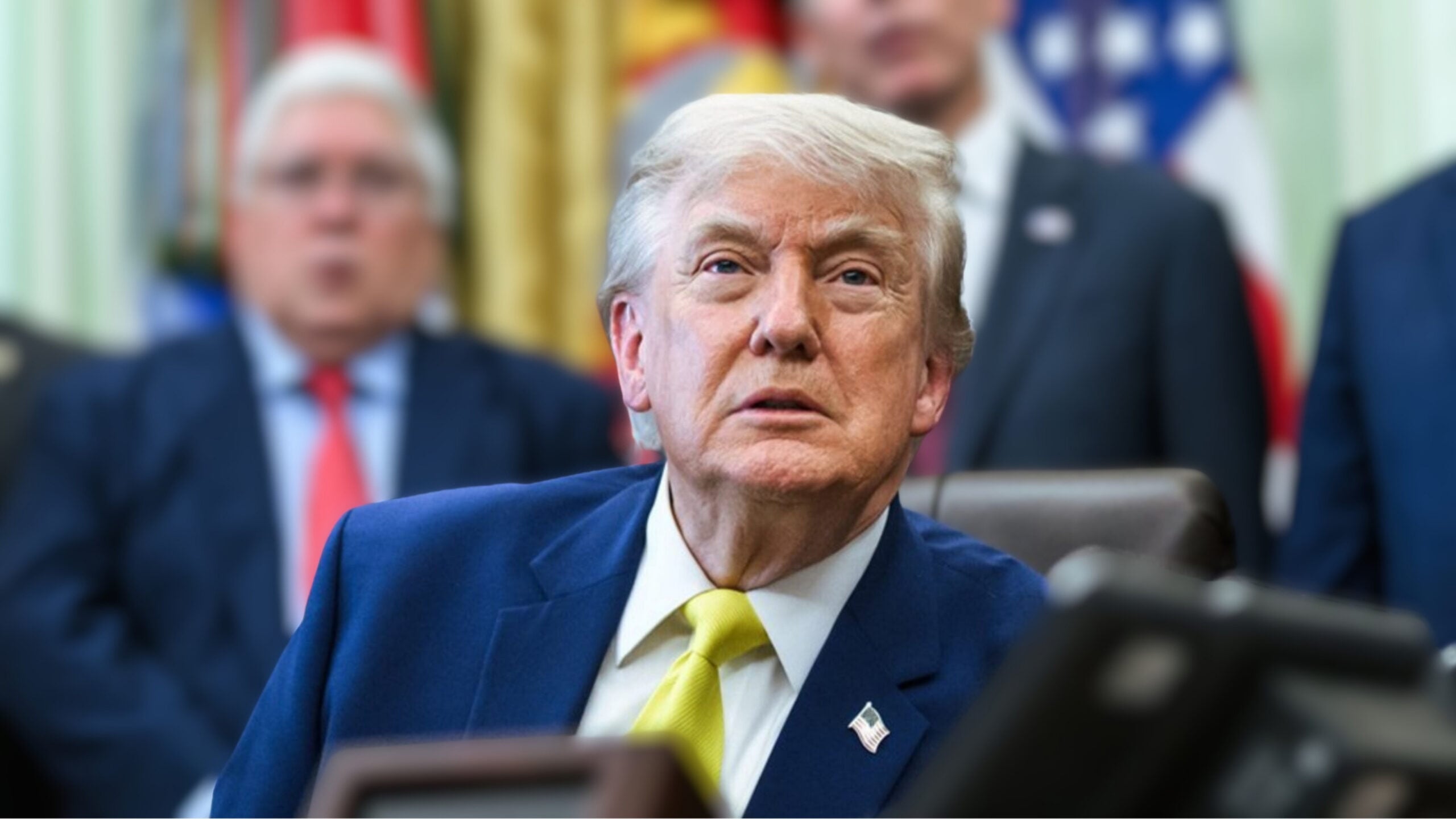
The historic gathering will take place in the southern Chinese technology hub of Shenzhen on the sidelines of the Asia-Pacific Economic Cooperation (APEC) summit, which promotes free trade, investment, and economic cooperation across the Asia-Pacific region.
Scheduled toward the conclusion of Trump’s visit to China, the trilateral session will focus squarely on curbing global nuclear arsenals.
According to U.S. administration sources speaking with American media outlets, the ongoing war in Iran is also expected to be raised during the discussions. However, the conflict in Ukraine will not be on the agenda.

Reports indicate that Trump intends to press his Russian and Chinese counterparts on reducing worldwide nuclear stockpiles, driven by his assessment that nuclear proliferation poses a severe threat to global stability.
A senior U.S. official cautioned, however, that Washington does not expect a formal agreement to be signed at the conclusion of the talks, characterizing the encounter instead as an “entry point” designed to initiate leader-level dialogue.
The summit convenes against the backdrop of the expiration of the New START nuclear arms control treaty between the United States and Russia this past February—a development that left the world’s two largest nuclear powers without a central, binding verification framework for the first time in decades.
Trump has previously declared his intention to negotiate a new, stronger pact that brings China—which has steadily expanded its nuclear warhead stockpile in recent years—into the arms control architecture.
While the Kremlin has officially confirmed that the trilateral meeting will take place, Beijing has not issued a full formal confirmation.
A spokesperson for the Chinese Foreign Ministry stated only that China is maintaining communication with the relevant parties regarding the proposed gathering,
even as Chinese state media have focused their coverage on Xi’s bilateral engagements on the margins of the summit.

The three-way meeting unfolds during a highly sensitive period in relations among the three major powers.
Since Russia invaded Ukraine in 2022 and the imposition of sweeping Western sanctions on Moscow, China has emerged as Russia’s primary economic and trade lifeline. At the same time, a controversial U.S. arrangement permitting Russian diesel imports and suspending sanctions on major buyers of Russian oil and gas—including China—has sparked concern across Europe over potential softening by the Trump administration toward the Kremlin.Meanwhile, although Trump and Xi sought to project warmer bilateral ties during summits held in Beijing and Washington earlier this year, no breakthroughs have been achieved on core points of contention, including bilateral trade, the technological race over artificial intelligence, and the status of Taiwan.
The war in Iran also remains a major friction point,as China continues to serve as the largest purchaser of Iranian crude oil and Tehran’s foremost trading partner.
Trump is scheduled to land in Shenzhen this Wednesday ahead of the two-day APEC summit, which will gather leaders from 21 member economies.
On Thursday, before joining Putin for the historic trilateral summit, Trump is slated to hold bilateral talks with President Xi—marking their fourth face-to-face meeting since Trump returned to the White House in 2025. According to U.S. officials, no separate one-on-one meeting between Trump and Putin is currently planned.