


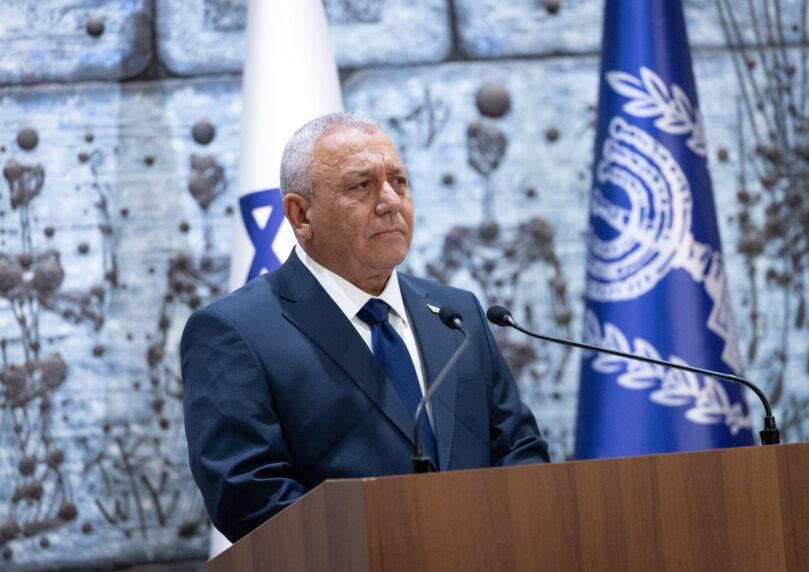

As Prime Minister-designate Gadi Eisenkot enters the second week of his 28-day mandate to form Israel’s next government, negotiating teams from his Yashar party and Prime Minister Benjamin Netanyahu’s Likud are scheduled to meet for the first time on Sunday to assess whether common ground exists for continued coalition talks.
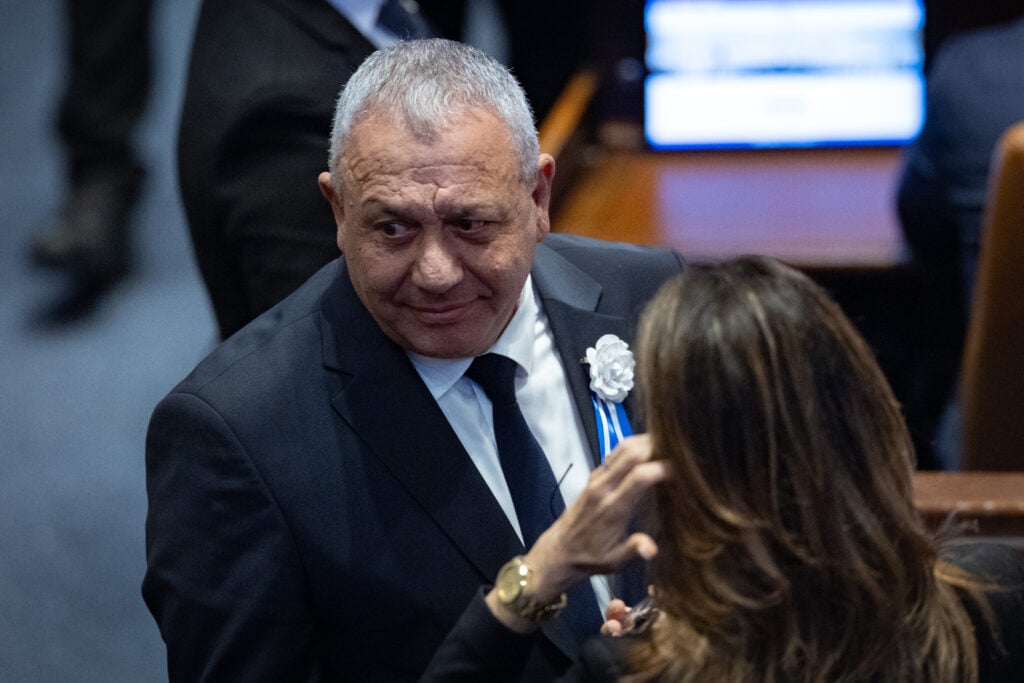
The meeting follows several days marked by conflicting messages, the cancellation of an earlier scheduled session, and mutual public accusations.
Ultimately, both sides agreed to convene in order to test the feasibility of political cooperation.Yashar enters Sunday’s session with explicit preconditions: establishing a government headed by Eisenkot and excluding National Security Minister Itamar Ben-Gvir.
Assessments across the political system indicate that Yashar negotiators will also insist that Eisenkot serve first in any premiership rotation arrangement, should such a mechanism be discussed.
Conversely, Likud—represented by coalition whip MK Ophir Katz and attorney Michael Rabello—approaches the negotiating table from a nearly opposite starting point.
Likud officials have made clear that the party is entering talks without boycotts against its political allies, welcoming any party from either bloc interested in joining a unity government, while firmly excluding the Arab factions.
Furthermore, Likud insists that Netanyahu must serve first in any rotation agreement by virtue of leading the largest faction in the Knesset.
On Saturday evening, Eisenkot sharply criticized Netanyahu and dismissed the prime minister’s televised appeals for national unity as political spin.
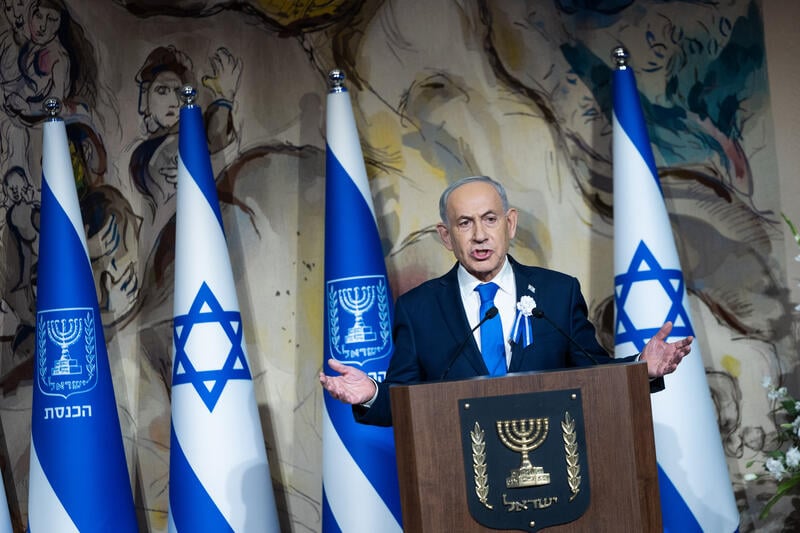
Eisenkot declared that as a gesture of goodwill and seriousness, Likud and the Religious Zionism party must support the candidacy of Yashar MK Matan Kahana for the position of Knesset Speaker.
Within Likud, the demand was viewed as an effort to introduce a new precondition at the eleventh hour, running counter to the understanding that exploratory negotiations would commence without prior conditions.Political observers note that Eisenkot’s remarks reflect the deep political difficulty facing Yashar and the broader opposition bloc regarding cooperation with the Arab factions, as well as their desire to avoid relying on them.
Analysts point out that were the opposition bloc prepared to govern with the Arab parties, it could already utilize its 67 Knesset recommendations without needing to negotiate with Likud or Religious Zionism.
Political insiders assess that Sunday’s encounter will function primarily as an exploratory session in which each side outlines its opening positions.
Substantial gaps remain between the two camps on the core questions—the identity of the prime minister, the composition of the coalition, and the terms of any rotation—leaving it uncertain whether those divides can be bridged during the second week of Eisenkot’s mandate.