


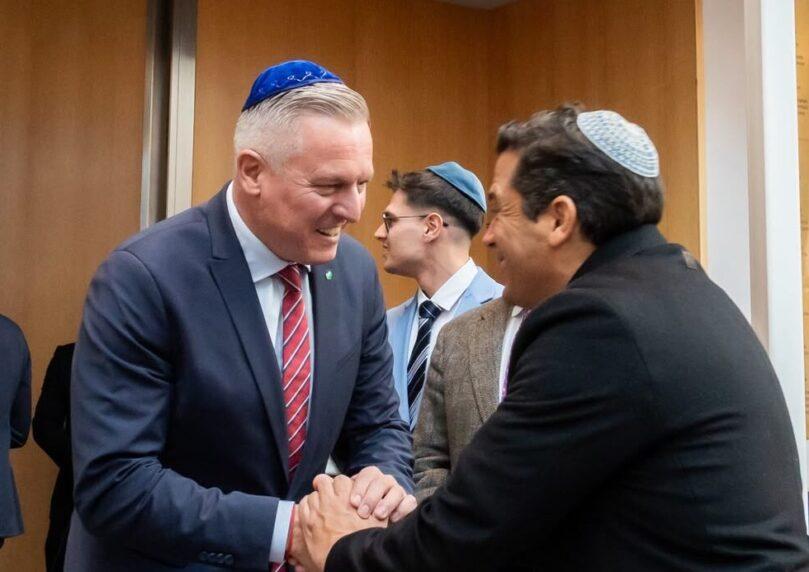

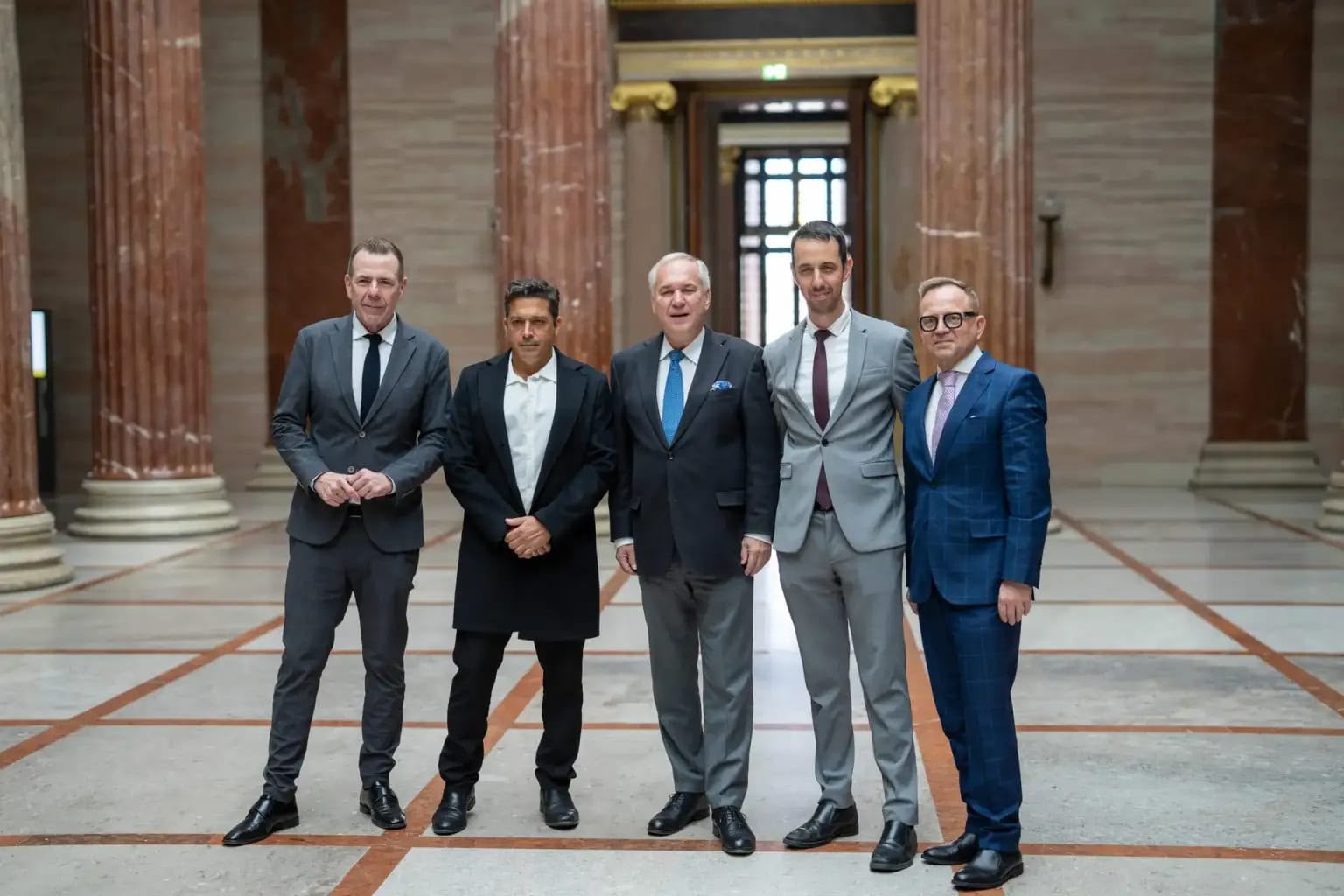
Diaspora Affairs Minister Amichai Chikli made a historic first-of-its-kind visit to Austria on Sunday, meeting with senior leaders of the Austrian Freedom Party (FPÖ). The visit marks a breakthrough and the culmination of an intensive two-year diplomatic effort to break the boycott of conservative right-wing parties in Europe and create a unified front against current challenges.
 2+
The rapprochement reached its peak recently after Chikli-led party chairman Herbert Kickl delivered an unprecedented speech. In the address, which Chikli described as “crossing the Rubicon,” Kickl apologized to the Jewish people for his party’s past, announced full adoption of the IHRA definition of antisemitism, and expressed support for moving Austria’s embassy to Jerusalem.
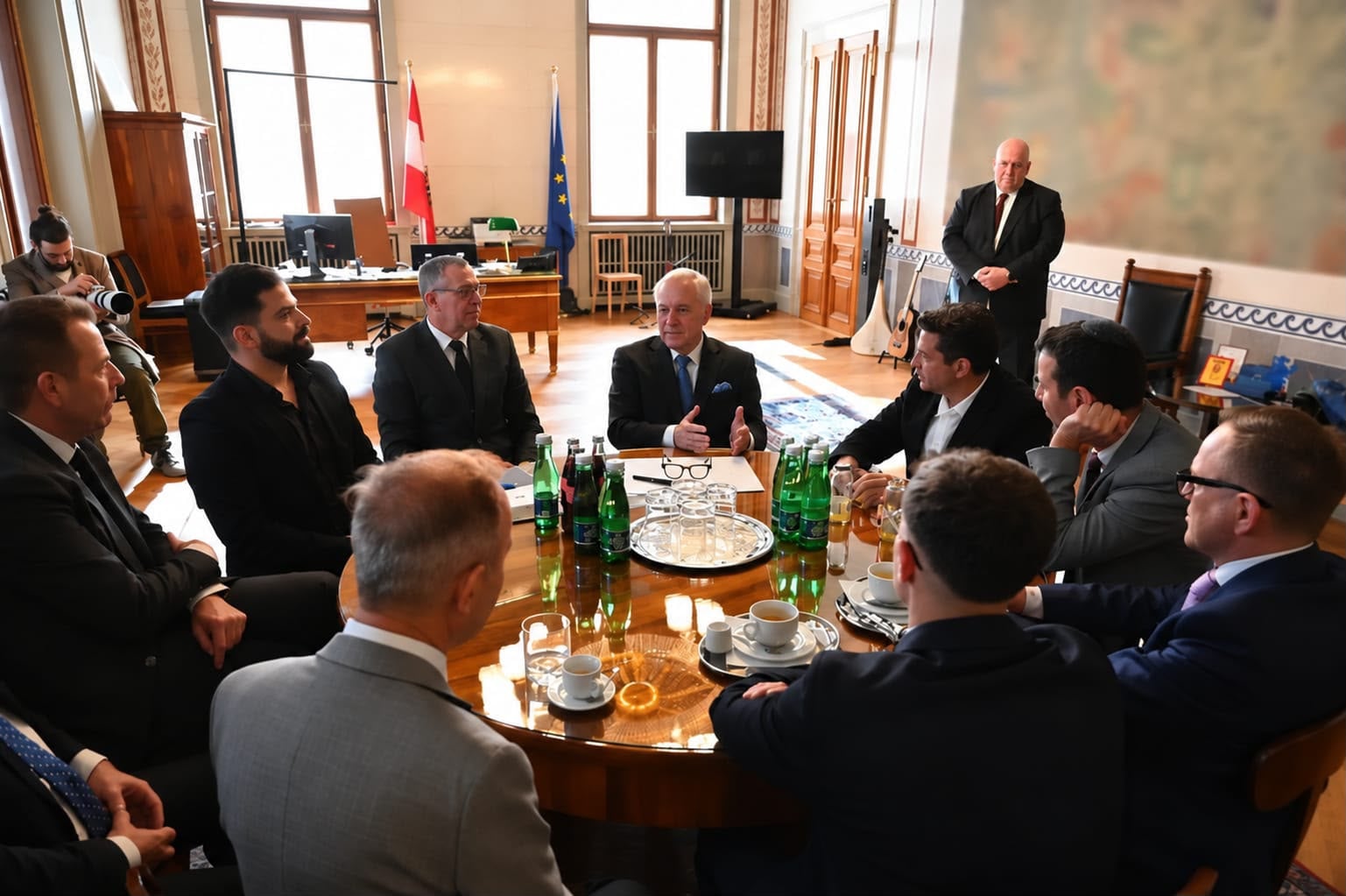
During the visit, Chikli met with Austrian Parliament President Walter Rosenkranz—the first such meeting between an Israeli minister and the parliament head. Chikli, joined by Knesset member Ariel Kallner, discussed shared threats with Austrian officials. “The basis for our partnership is the shared understanding of the challenges posed by the progressive left and Islamonazism,” Chikli said.
 2+
Chikli addressed the threat posed by political Islam, particularly the Muslim Brotherhood movement, which he said uses democratic tools to undermine democracies from within. “Islamonazism views the Jewish state as a foreign implant that must be wiped off the face of the earth, as Hamas terrorists tried to do on October 7th,” he said.
The breakthrough with the Austrian Freedom Party joins a broader effort Chikli has led throughout his term to open dialogue with other sovereign right-wing parties in Europe, including France’s RN and Spain’s VOX. According to him, these parties are “the last chance for nation-states to stop the drift before reaching the point of no return.”
 2+
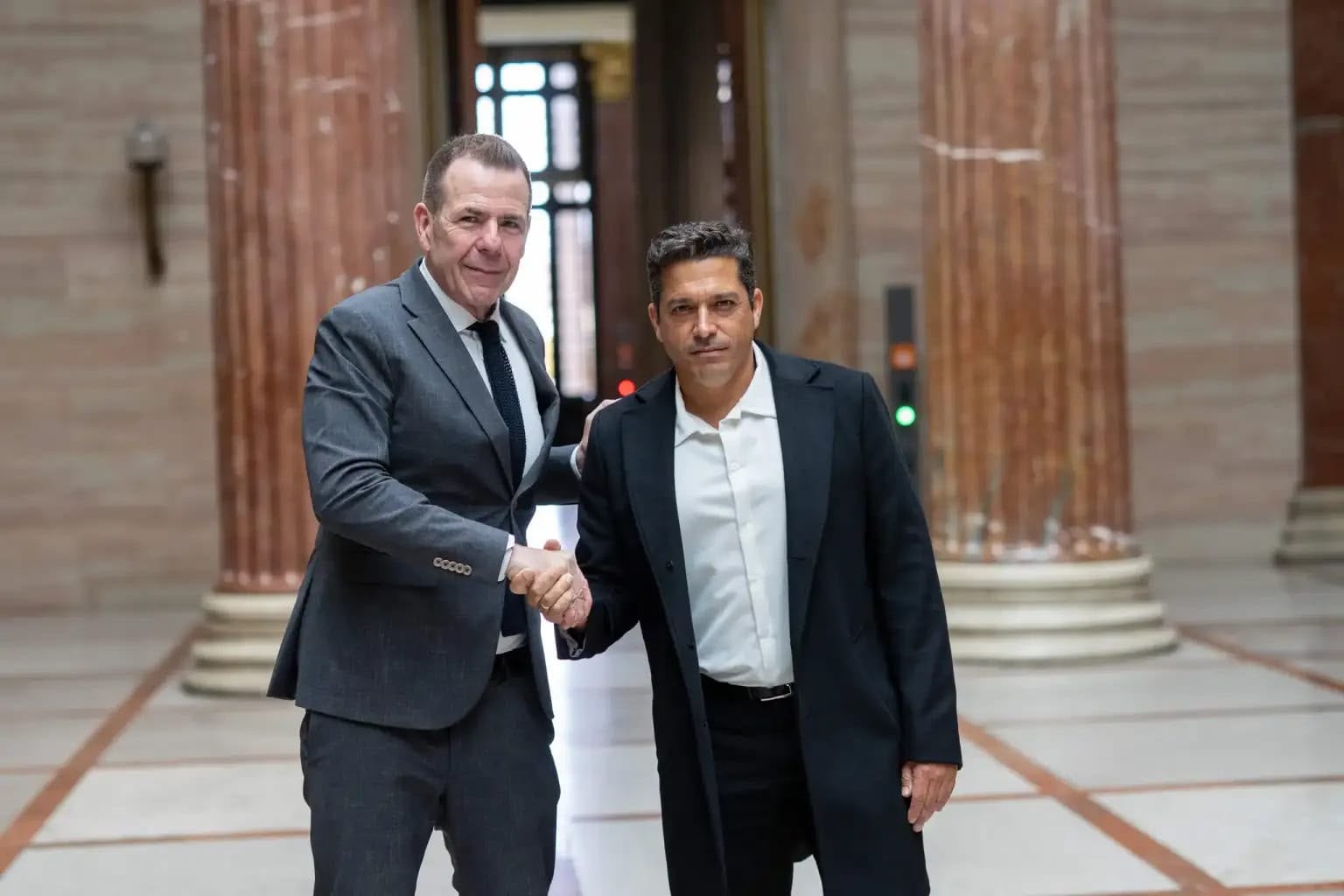
Senior Austrian party officials welcomed the cooperation. Harald Vilimsky, deputy chairman of the European Patriots faction, thanked Chikli and said: “Without him, this wouldn’t have happened.” Parliament President Rosenkranz added: “Friendly relations are built and strengthened through personal dialogue and mutual trust. The meeting took place in exactly that spirit.”