


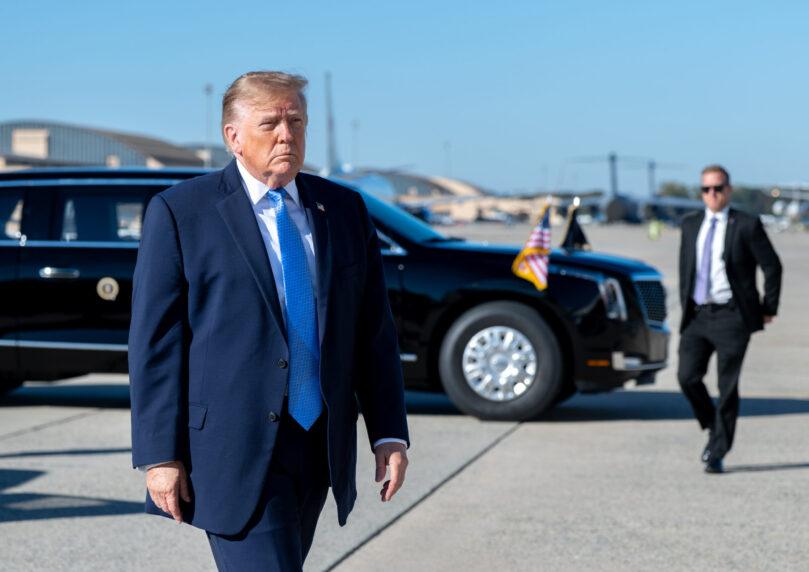

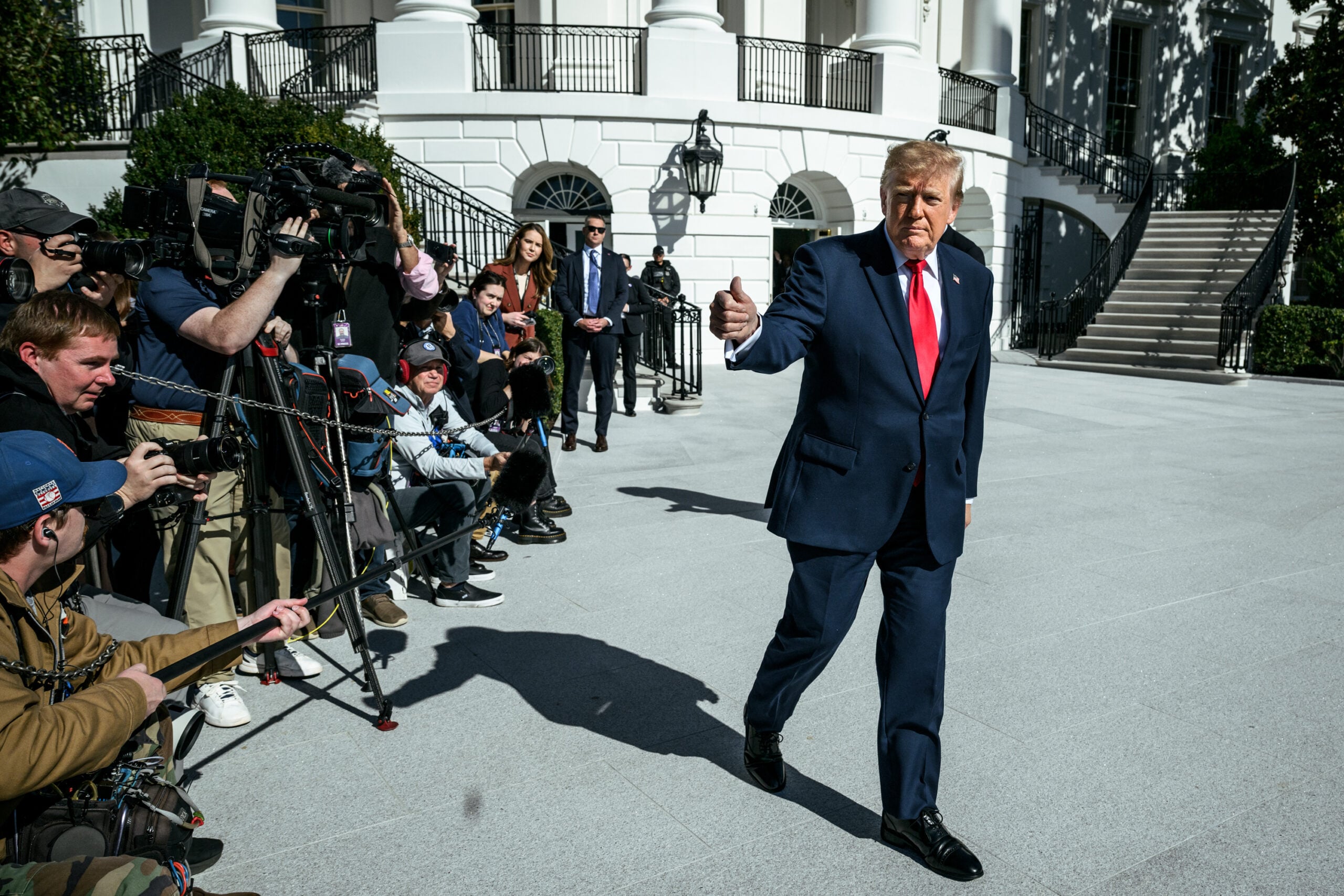
President Donald Trump addressed the ongoing confrontation with Iran Thursday evening from the Oval Office, delivering a particularly forceful message to the regime’s leadership in Tehran. Referring to the campaign against the Islamic Republic over the past eight months, the president made clear his administration faces operational decisions ahead: “Regarding Iran—we need to make a decision whether we move forward and make sure this doesn’t happen again.” Trump warned of devastating strikes against the regime’s capabilities and infrastructure, adding: “I’d prefer not to destroy the rest of the country, but I may have to do that—you’ll know very soon.” Asked about his next steps, he replied: “You’re going to see some big things in the next week, two weeks.”
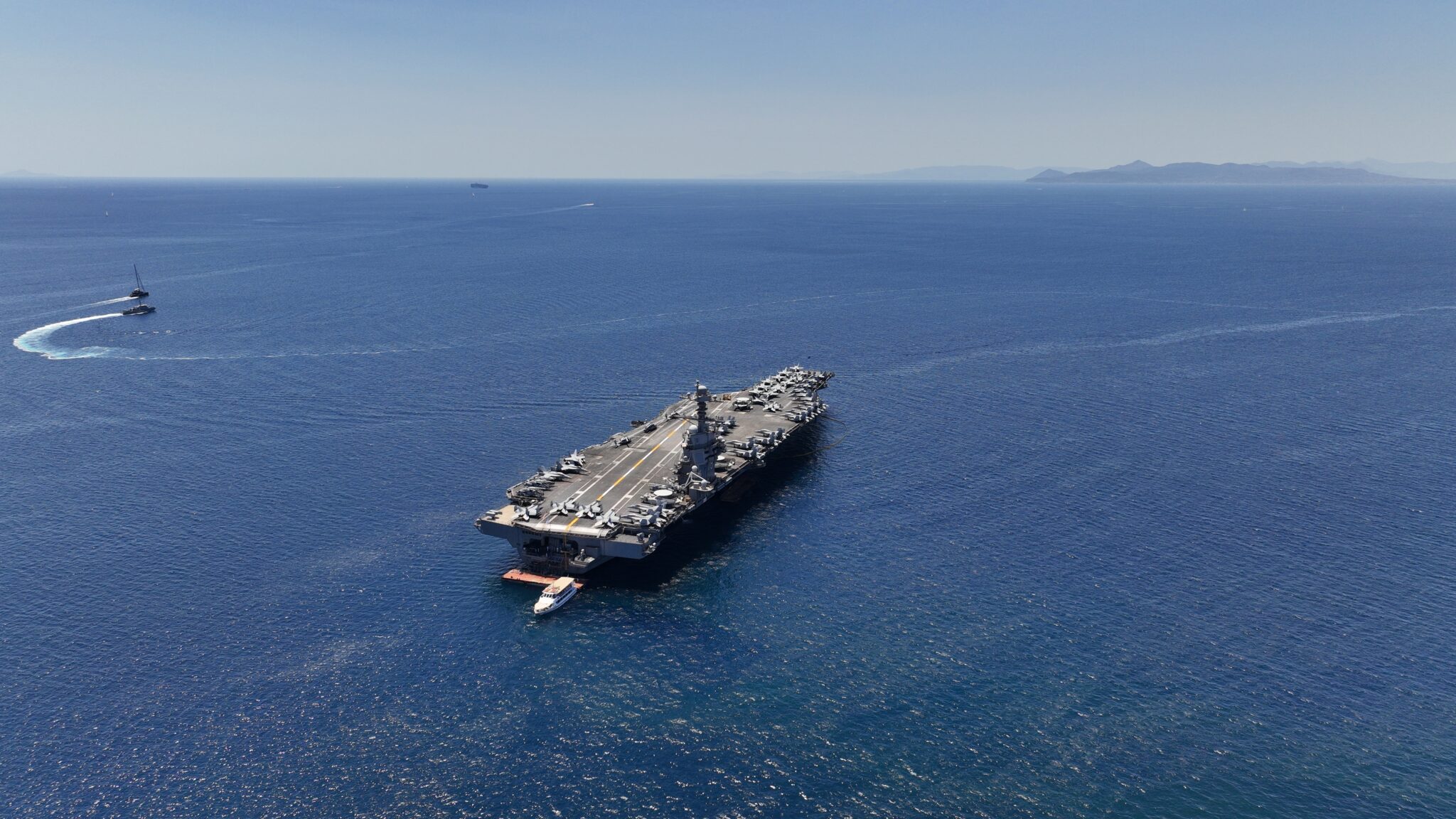
The remarks come immediately after the U.S. midterm elections and align with a series of intelligence reports published in recent weeks. According to those reports, the Pentagon has completed detailed contingency plans for a focused, high-intensity air and naval attack against strategic targets of the Iranian regime. Washington has sent messages to Gulf states indicating they should prepare for the possibility of a significant military strike now that polls have closed in the U.S., after the president preferred to wait on broad military moves until after Election Day. Now, with American aircraft carriers—including the USS Roosevelt—already positioned at key locations in the region, the operational window is open to the administration.

 1+
During the conversation with reporters, Trump also addressed the naval blockade and heavy economic pressure the United States is applying on Tehran, saying: “Some people say what we’re doing to Iran is conquest—and it is a kind of conquest.” The president emphasized that the goal of sustained pressure is to strip the regime of its military and strategic capabilities long-term, neutralizing the threat it poses: “If they try to rebuild their systems, it will take them between twenty and thirty years.”
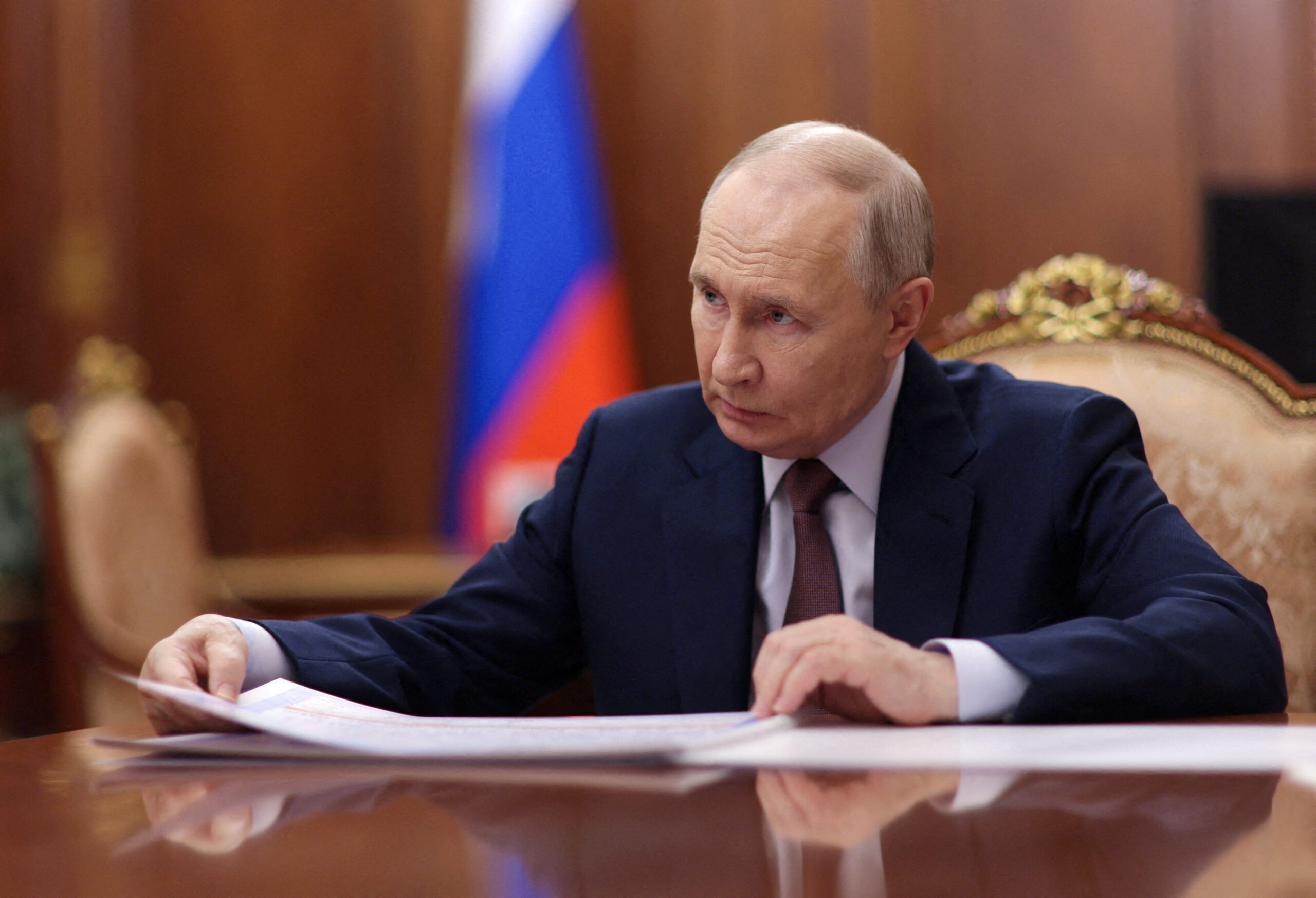
Alongside military levers, diplomatic channels are operating to exhaust the possibility of a tough political settlement that would curb Iranian aggression. Qatar continues to serve as a conduit for passing messages between Washington and Tehran, while Russian President Vladimir Putin has attempted mediation, recently meeting in Moscow with the head of Iran’s Supreme National Security Council—despite close military cooperation between Moscow and Tehran that includes supplying advanced missile launchers. Trump himself has noted in the past that Putin expressed willingness to play a role in reaching a solution to the crisis.
 1+
The American administration now faces two defined options: executing a broad military attack that would severely damage the regime’s strategic assets in Tehran, or using the strength of its military presence to force Iran to sign a stringent international agreement that would dismantle its threatening capabilities in the region. The moves taken in coming days are expected to determine the direction the crisis takes.