


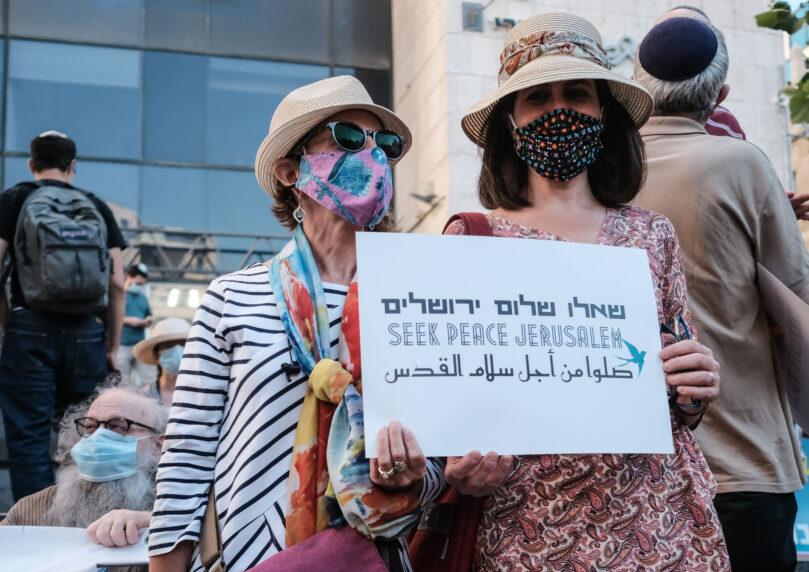

After it was revealed that the Reform synagogue Mevakshei Derech allowed the leftist organization Rabbis for Human Rights to use city-owned property for payment for roughly six years—allegedly in violation of the law and the terms of the allocation—use of the property has been halted and the organization is vacating the premises. Now a demand is emerging for the Jerusalem municipality to act to recover the funds received over the years, estimated at hundreds of thousands of shekels or more.
The affair involving the use of city property in Jerusalem raises questions about oversight of land allocations and the use of public funds. At the center of the affair is the Reform synagogue Mevakshei Derech, which operates on Shai Agnon Street in Jerusalem. According to the allegations, the synagogue allowed Rabbis for Human Rights, an organization identified with the left, to use part of the property allocated to it by the municipality for at least six years, in exchange for payment and in violation of the allocation terms.

According to information obtained, the property is located in a central and upscale area of the city and includes office space and halls that were used by the organization for an extended period. The affair came to light following an inquiry to the Jerusalem municipality, which claimed that making the property available for use by another entity, particularly in exchange for payment, violates the law and the terms of the allocation contract for the municipal property.
Following the inquiry, Rabbis for Human Rights stopped using the property and is vacating the premises. But now a demand is emerging that the municipality not settle for halting the use, but rather act to recover the funds allegedly received from renting out the property over the years.
According to those who raised the issue, if the synagogue received payments for use of the municipal property in violation of the allocation terms, their return to the public coffers should be demanded. “It’s not enough to stop using the property. If for six years funds were received unlawfully for a municipal property, that money needs to return to the municipality’s coffers,” they argued.
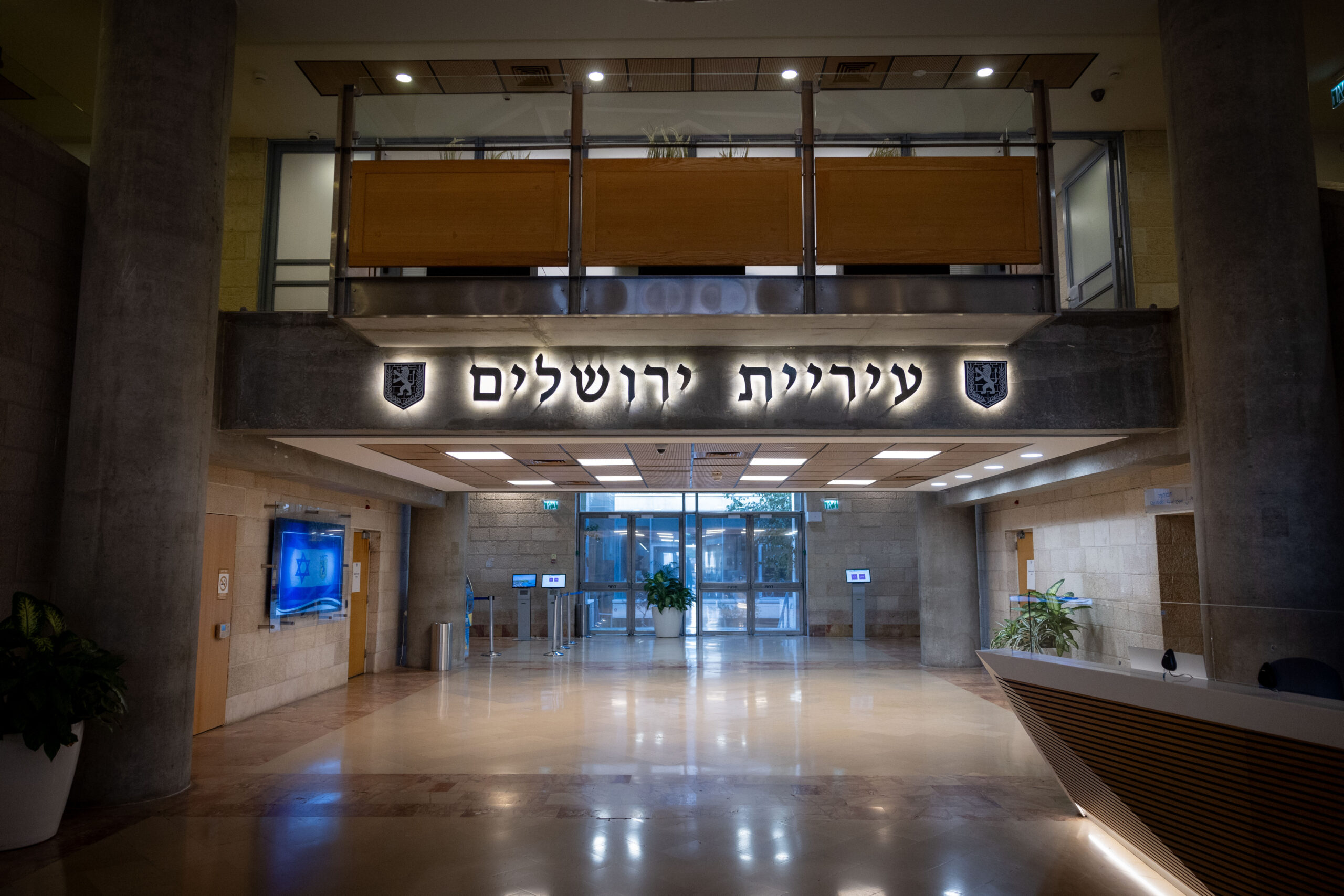

Given the property’s location, size, and duration of use, the estimate is that the cumulative value of the use could reach hundreds of thousands of shekels or even more. However, at this stage no verified financial data has been presented regarding the scope of payments actually transferred. Despite repeated inquiries to the Jerusalem municipality requesting examination of recovering the funds, it is claimed that no substantive response has been received on the matter. It is further claimed that the municipality is refraining at this stage from taking additional steps against the parties involved, and that a decision on the matter is expected in the coming days.
The Jerusalem municipality’s response raises questions given that it did not answer any of the questions we asked:
1. Why were no sanctions taken against the Mevakshei Derech organization following the alleged violation of the allocation contract terms?
2. Why is the municipality not acting to recover the funds the organization allegedly received from renting out the municipal property over the years?
3. Does the municipality intend to take action against the organization and demand the return of the funds to the public coffers?
The Jerusalem municipality stated: “Upon receiving an inquiry on the matter, the municipality contacted the Mevakshei Derech organization with a demand for immediate evacuation of the party in question. The organization for its part vacated the property in accordance with the municipality’s demand. The municipality intends to monitor and ensure that the property serves only the allocation recipient and for the purpose of the allocation. The organization was summoned for a clarification meeting with the head of the municipality’s property division and presented its arguments to him on all aspects relevant to the matter. After supplementary documents were provided according to the municipality’s demand and examinations were conducted by professional parties, a decision on the matter is expected to be made soon.”
Rabbis for Human Rights stated: “Rabbis for Human Rights brings together more than 170 rabbis in Israel working to advance human rights, and the Mevakshei Derech organization was a partner in this activity over the years. When claims arose regarding the allocation terms of the building, we left it after we met all our financial obligations, and for several months now we have been operating from other offices.”