


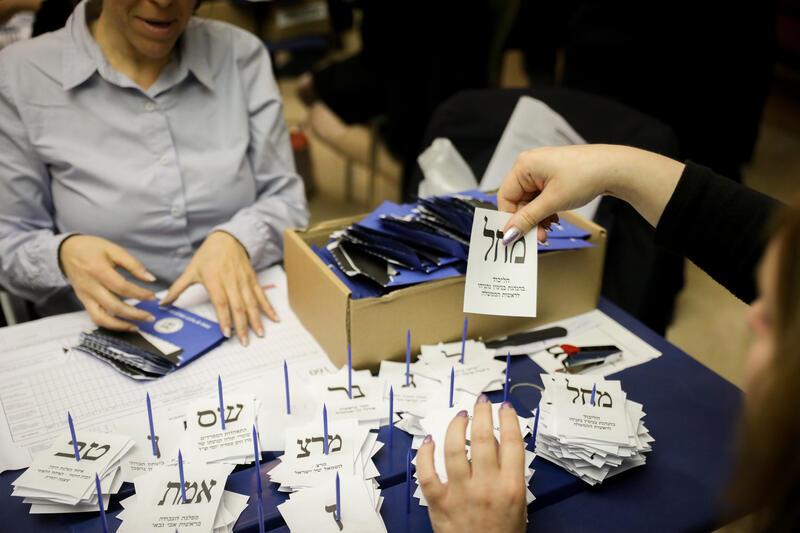

Representatives of the right-wing bloc in the Central Elections Committee are coordinating to potentially cast a unified vote against the official certification of the 26th Knesset election results on Wednesday, escalating a procedural conflict over investigations into foreign interference.

Internal consultations within the national camp began Monday to assess whether all right-wing factions should align with the position announced earlier in the day by Otzma Yehudit. Otzma Yehudit became the first party to publicly declare that its representatives would oppose approving the election returns during Wednesday’s plenary session. The faction cited the unresolved counterintelligence probe into illicit foreign financing, vote manipulation, and bribery conduits—popularly referred to as the “ballot terror” affair—arguing that granting official sanction to the vote would be premature. At the same time, the security establishment’s ongoing investigation risks institutionalizing tainted returns.
Should the remaining right-wing parties join Otzma Yehudit, the measure would transform a single-party objection into an institutional challenge by an entire parliamentary bloc against the certification process. However, party sources said that while tactical preparations for a joint vote are underway, the bloc has not yet finalized a binding decision across all factions.


The development follows a formal ruling delivered hours earlier by Central Elections Committee Chairman Justice Noam Solberg, who rejected an urgent petition filed by the Likud. The Likud demanded an immediate convening of the committee’s senior presidium to review classified intelligence updates from the joint task force comprising the Shin Bet, the Israel Police, and the State Attorney’s Office.
Justice Solberg dismissed the petition on jurisdictional grounds, noting that neither the committee presidium nor its broader plenary possesses statutory authority under Israeli law to freeze the certification timetable, delay publication, or unilaterally invalidate cast ballots. “Elections have results,” Solberg stated in his written determination.

He clarified that the presidium’s statutory role is strictly limited to tallying valid votes and calculating the distribution of mandates under statutory formulas. At the same time, the plenary may only confirm that the clerical computation matches the certified precincts. Solberg emphasized that any party seeking to dispute the seat allocation must do so by lodging a formal post-election appeal before the court system.
In his decision, Solberg acknowledged that the security establishment continues to investigate the foreign-cash allegations, but emphasized that briefing political representatives on sensitive operational leads risks compromising the inquiry. Pursuant to election regulations, the final certified tally must be submitted and published in the official government gazette by Wednesday, November 4.
Between now and Wednesday’s plenary vote, right-wing leaders must decide whether to cast a symbolic, united vote against certification, laying the political and legal groundwork for subsequent Supreme Court petitions.