


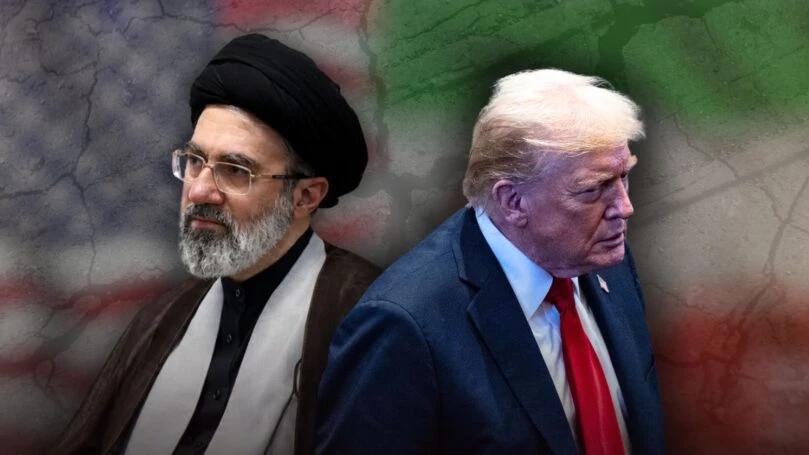

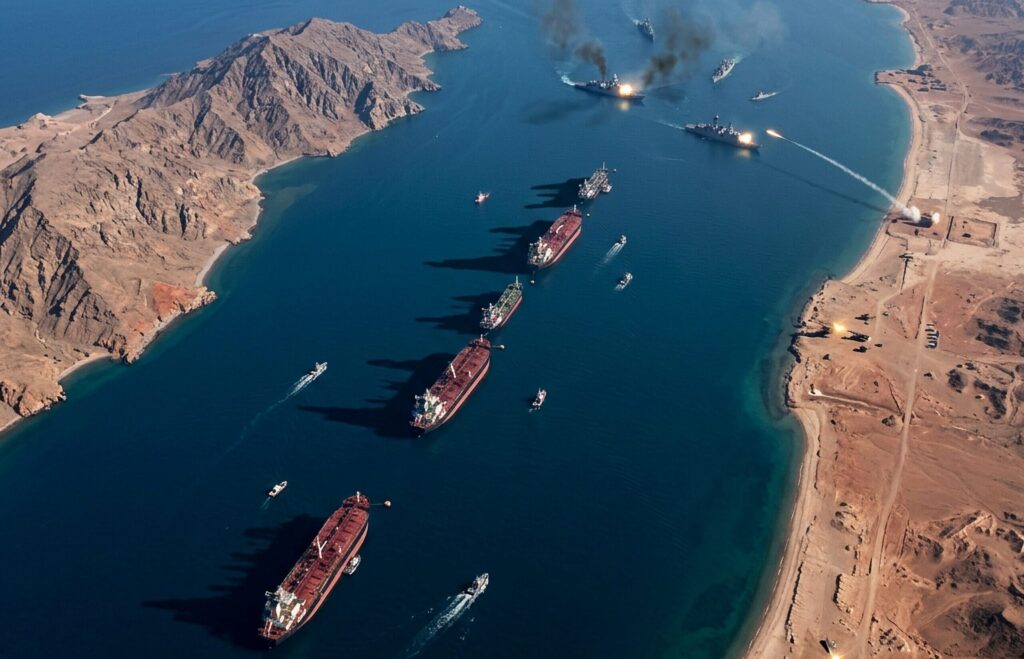
Despite intensifying military rhetoric and mutual warnings between Washington and Tehran, the Iranian Foreign Ministry signaled on Monday that a diplomatic arrangement to end the Persian Gulf standoff remains achievable within days, conditioning the reopening of the vital Strait of Hormuz on American acceptance of its demands.

Speaking during a weekly press briefing in Tehran, Iranian Foreign Ministry Spokesperson Esmaeil Baghaei addressed the status of indirect contacts following days of multilateral maneuvering.
“The foundation for diplomacy with America rests upon Iran’s seven-step proposal,” Baghaei told reporters.“This proposal has been streamlined, and its practical execution is now entirely feasible within two days. Iran stands ready to reopen the Strait of Hormuz within two days if Washington accepts its legitimate requirements.”
However, Baghaei balanced the ostensible diplomatic opening with sharp criticism of the White House, accusing the U.S. of actively sabotaging negotiated solutions.“Washington has demonstrated up to this point that it operates to thwart every viable diplomatic track,” the spokesperson stated, emphasizing that Tehran has articulated its core security and economic red lines. “The ball is now decisively in the American court.” The remarks follow the Iranian negotiating delegation’s departure from the Qatari capital of Doha.
The Iranian team had arrived in Qatar on Friday to participate in intensive indirect discussions mediated by Qatari officials, aimed at testing the viability of a diplomatic de-escalation framework with the U.S.

 1+
According to reports by Reuters, the delegations departed Doha late Sunday after failing to bridge fundamental divides between the parties. While discussions initially explored preliminary nuclear procedures, maritime transit protocols, and financial incentives under Russian and Chinese guarantees, the talks stalled over Iran’s insistence on immediate economic relief before verifiable nuclear concessions. The diplomatic gambit unfolds against severe military tensions across the region.
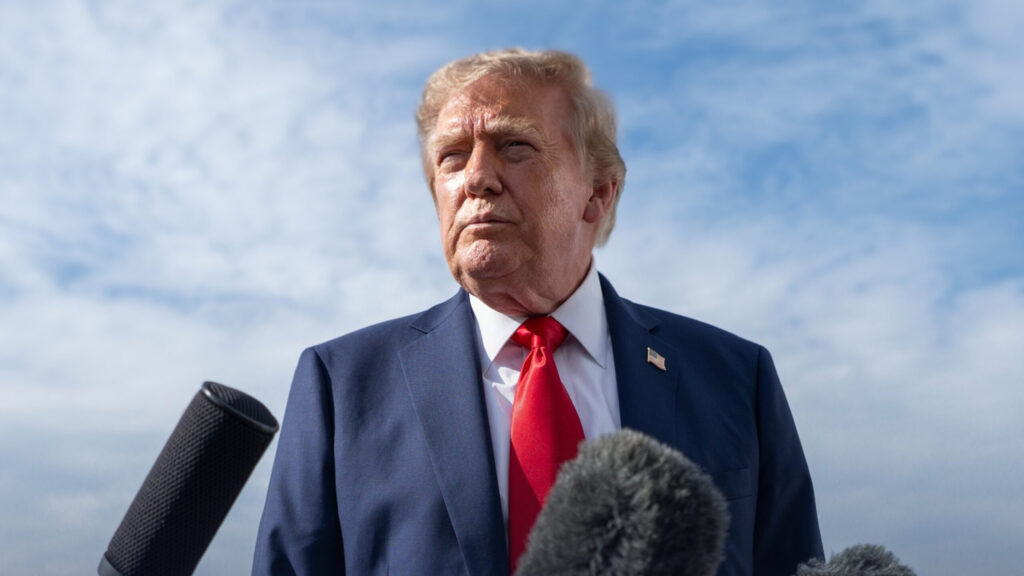
U.S. President Donald Trump has repeatedly issued operational warnings to Gulf allies regarding potential strikes against Iranian installations, while Israeli defense planners have coordinated readiness measures.
Simultaneously, military commanders in Tehran, guided by directives from Supreme Leader Mojtaba Khamenei, have warned of an unrestricted regional response should any strike occur.
 1+
By linking the free flow of global energy traffic through the Strait of Hormuz to an expedited 48-hour diplomatic window, Tehran is seeking to maximize pressure on the U.S. on the eve of the 2026 congressional midterm elections, attempting to frame Washington as the obstacle to regional stability while keeping international shipping corridors hostage to political negotiations.