


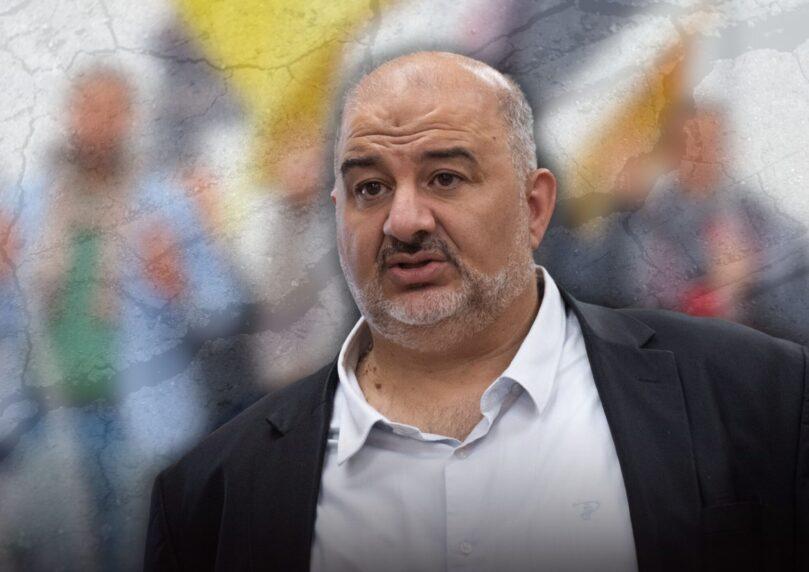

A newly resurfaced audio segment from an in-depth 2025 podcast interview has placed Ra’am Chairman Mansour Abbas at the center of a renewed national controversy, after the Arab-Israeli lawmaker inadvertently referred to Hamas terrorists as “brothers” before rapidly adjusting his phrasing.
Video: Omri Haim’s X page
The fleeting verbal stumble, spanning only a few seconds, has brought back into sharp relief one of the most contentious dilemmas in modern Israeli politics: can a party ideologically rooted in the Islamic Movement ever serve as a legitimate, reliable partner in forming an Israeli government? The political precedent was set in 2021, when Ra’am made history by joining the governing coalition formed by Naftali Bennett and Yair Lapid. The move marked the first time an independent Arab political party entered an Israeli cabinet, positioning Abbas as a self-styled pragmatic moderate focused on localized civic challenges—such as community infrastructure, zoning permits, and Arab sector crime—while ostensibly bracketing broader regional and national-security conflicts.
However, against the backdrop of the post-October 7 reality and the current post-election standoff for the 26th Knesset, the resurfaced podcast recording raises difficult questions that the political establishment cannot easily bypass. During the recorded exchange, Abbas addressed the actions and standing of Hamas within Palestinian society, momentarily utilizing the term “brothers” in reference to its members before instantly catching himself and substituting the expression with neutral terminology. To his critics, the unfiltered slip represents far more than an innocent lapse of memory or articulation.
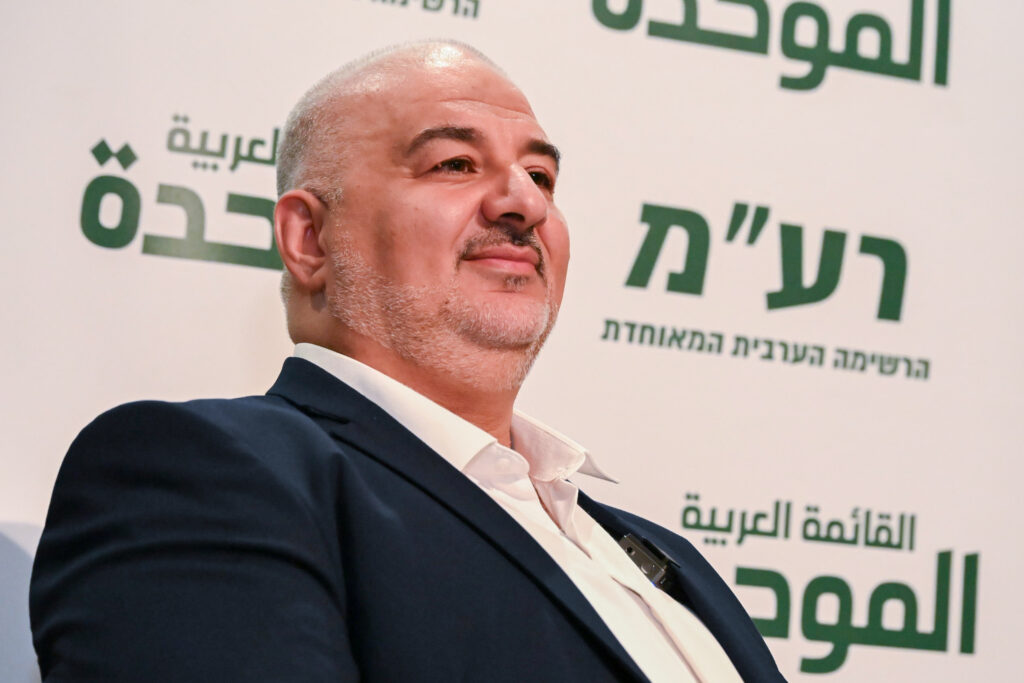

Ra’am functions as the political manifestation of the Southern Branch of the Islamic Movement inside Israel, sharing theological and historical roots with the global Muslim Brotherhood movement—the same ideological matrix from which Hamas arose. Skeptics argue that despite polished media presentations in Hebrew, the brief invocation of “brotherhood” reveals an underlying sense of kinship with the terror group that cannot be reconciled with participation in the governance of the Jewish state. The controversy erupts at a pivotal political juncture.
With neither traditional ideological bloc securing an outright 61-seat majority after the recent national vote, leaders in the center-left opposition are once again exploring parliamentary arrangements that would depend on the 19 mandates held
by the Arab factions—Ra’am and the Joint List—either through formal ministerial participation or external confidence backing.
For broad segments of the Israeli electorate, the resurfaced audio reinforces deep anxieties regarding the strategic consequences of such an alliance. As the country continues to confront existential security challenges on multiple fronts, the recording serves as a stark reminder of the fundamental ideological divides that persist, fueling arguments that any administration reliant on figures who harbor ambivalent attitudes toward sworn terrorist adversaries crosses an untenable national line.