


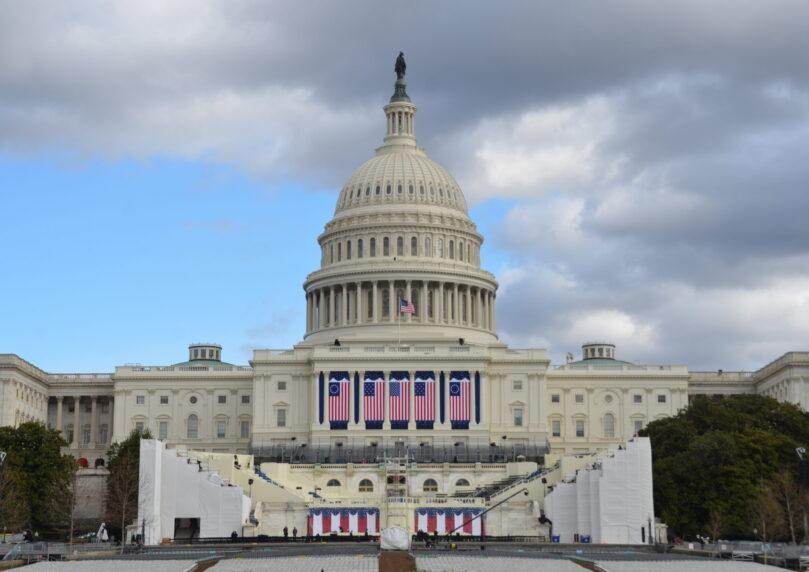

In 48 hours, the United States will hold its 2026 midterm elections,
an electoral milestone that will determine whether President Donald Trump governs his final two years alongside a cooperative Republican-led Congress or confronts an energized Democratic majority positioned to challenge his administration at every turn.
Under the American constitutional system, the executive branch operates independently from the legislature.

 9+
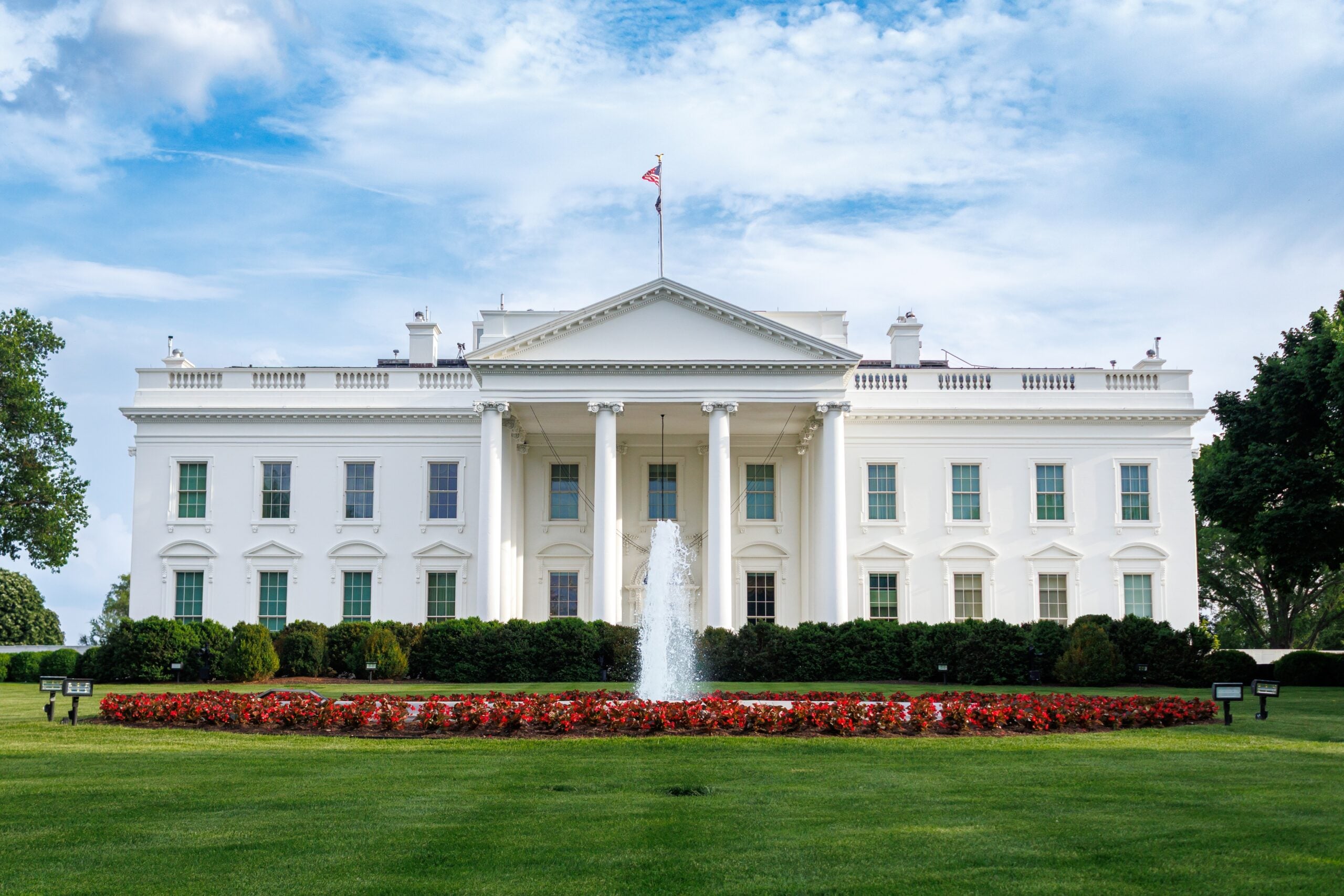
A midterm loss for the incumbent president’s party does not end their mandate; the president continues to govern from the White House, regardless of whether an opposing majority controls Capitol Hill.
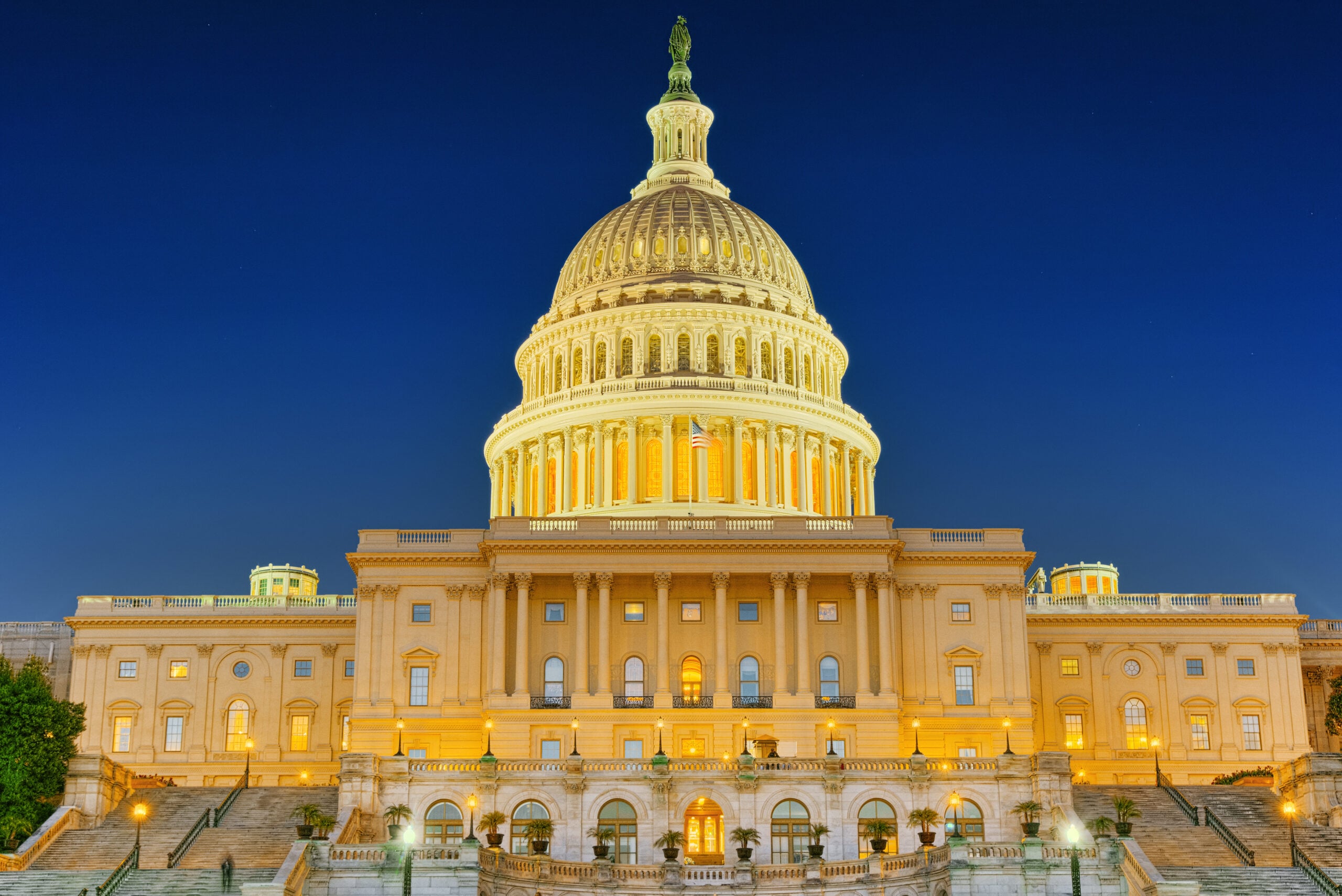
However, the U.S. Congress commands immense statutory powers: it authors federal statutes, holds the exclusive authority to appropriate public expenditures, and conducts rigorous oversight over executive departments.
 9+
The upper chamber, the U.S. Senate, holds the constitutional prerogative of “advice and consent,” granting it the sole authority to confirm or reject presidential appointments of Cabinet secretaries, federal judges, and ambassadors. The midterm elections derive their name from their timing at the midpoint of the four-year presidential term.
President Midway Through, House Starts Fresh
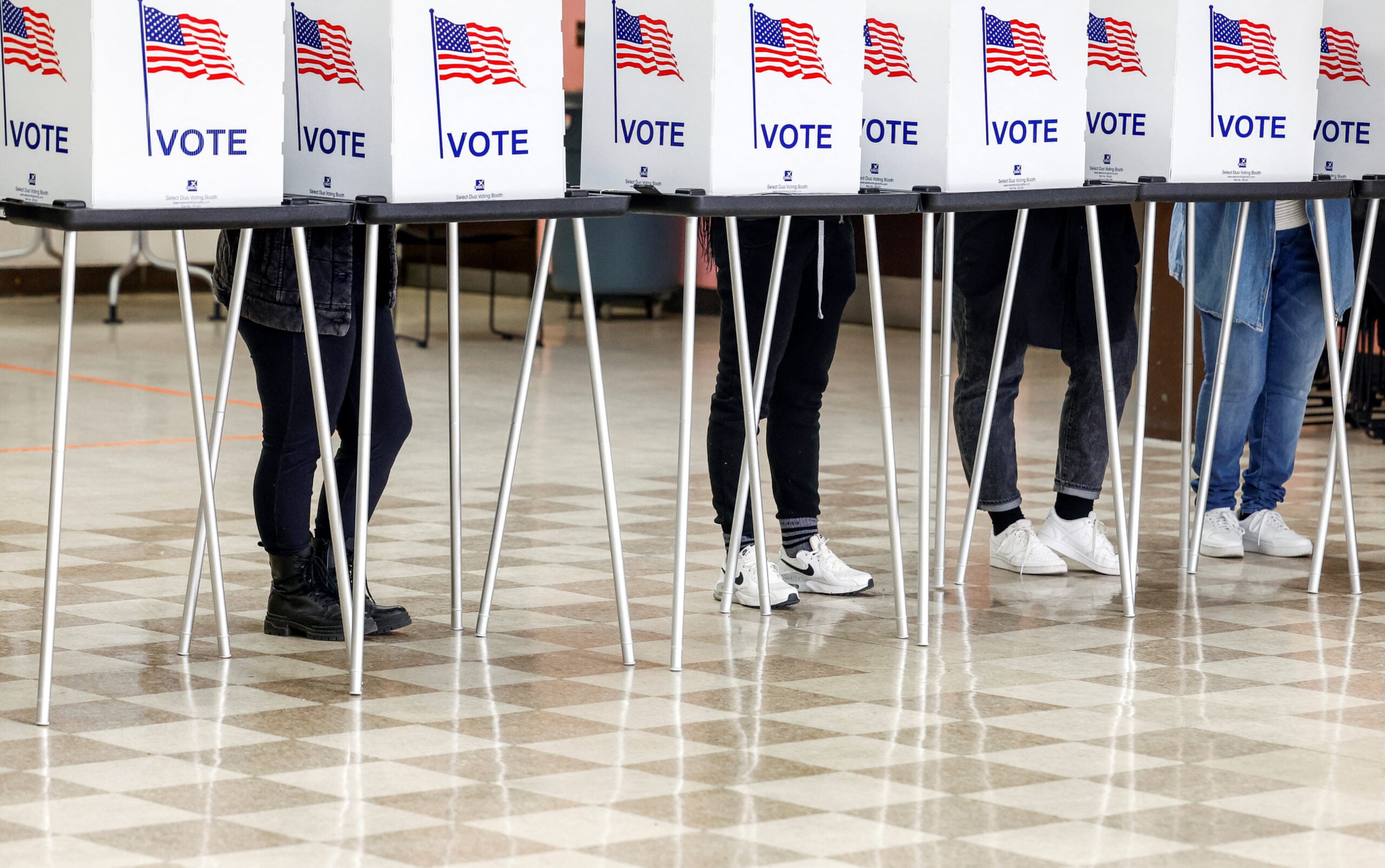
On Tuesday, voters across the country will decide all 435 seats in the House of Representatives, where members serve two-year terms in population-proportioned, single-member districts. At the same time, 35 of the 100 Senate seats are on the ballot, covering regular six-year rotations and special elections. Thirty-six state governorships, along with hundreds of state legislative seats, are also being contested simultaneously. The parliamentary calculus across both chambers is balanced on an edge.
 9+
In the House of Representatives, securing an outright majority requires 218 seats. The incumbent chamber reflects an exceptionally tight margin: Republicans currently hold 218 seats to Democrats’ 214, with one independent and two vacant seats. A handful of turnovers in competitive swing districts would shift the majority to Democrats. In the Senate, the current balance of power stands at 53 Republicans against 47 members in the Democratic caucus (45 Democrats and two allied independents).
 9+
To secure an outright majority of 51 seats, the Democratic caucus must gain four seats. In a 50–50 split, the tie-breaking vote rests with Republican Vice President JD Vance, preserving a procedural advantage for the administration.
Nonetheless, passing major legislation in the Senate often requires 60 votes to overcome procedural filibusters, drawing a sharp distinction between the simple majorities required to control committee gavels and the broader consensus needed to advance substantive policy. A split decision between the two chambers would dramatically alter Washington’s governing mechanics.
 9+
House Counts Residents, Senate Counts States
Federal legislation must pass both the House and the Senate in identical text before it reaches the president’s desk.
Should Democrats capture the House while Republicans retain the Senate, the opposition would possess a full legislative veto over Trump’s domestic platform, including tax initiatives, deregulation, and border measures.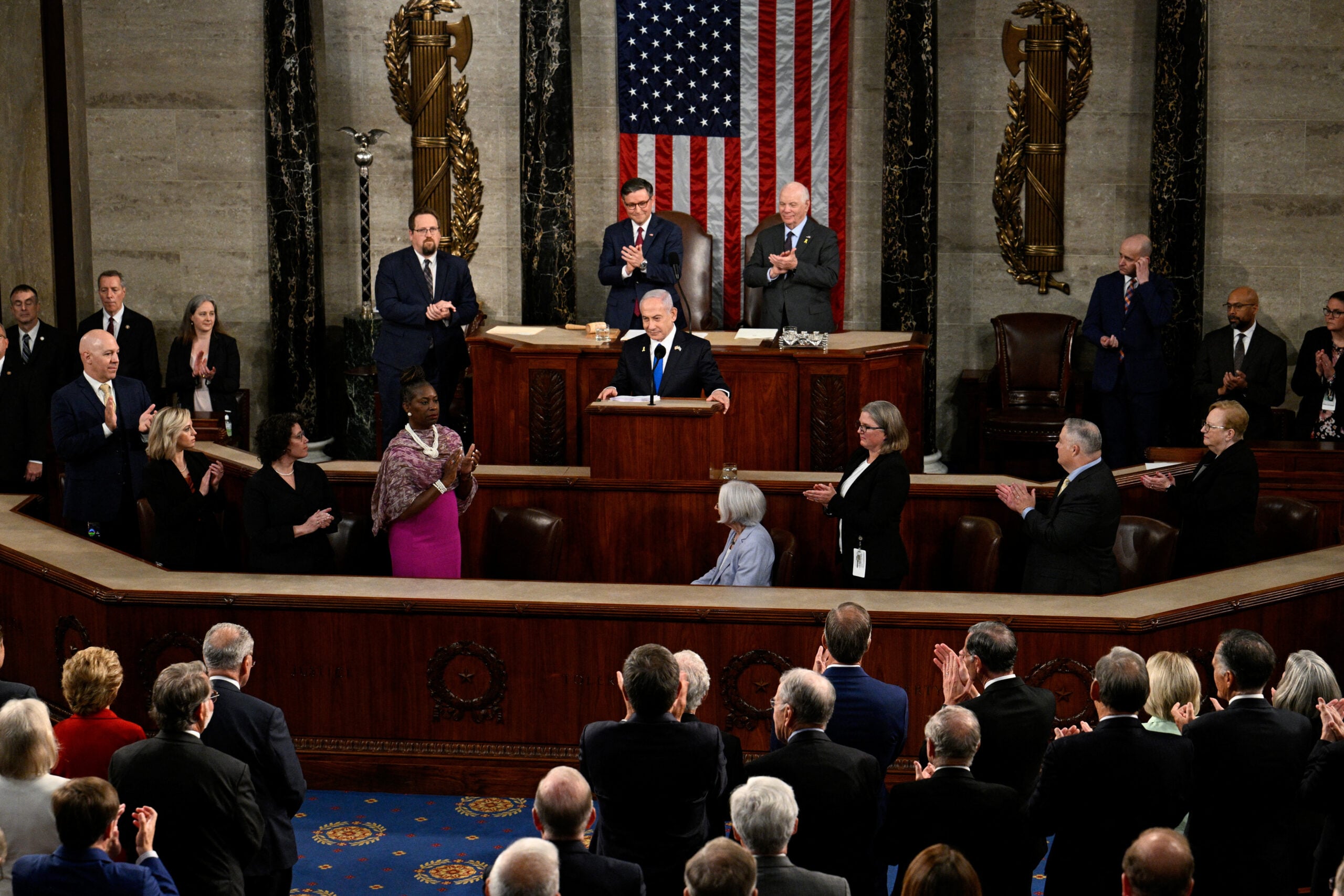 9+
While the president retains the power to veto legislation passed by Congress—requiring a two-thirds supermajority in each chamber to override—an opposition majority in the House immediately flips committee gavels,
replacing administration allies with committee chairs armed with subpoena power to scrutinize executive decisions.
For Israel, the midterm results hold concrete strategic significance.While bilateral ties and foreign policy directives are steered primarily through the White House and executive agencies, American defense assistance and regional funding frameworks require statutory appropriation from Congress.
 9+
To Block a Bill, Sometimes Winning One Chamber Is Enough
Suppose Trump seeks to pass a sweeping change to tax laws. Support in the House alone won’t suffice: the bill must pass both chambers of Congress in identical form, and only then reach the president.
Therefore, a Democratic takeover of the House would allow Democrats to block laws Trump wants to advance, even if Republicans keep the Senate. Conversely, Democrats couldn’t pass laws on their own if a Republican Senate opposes them.
 9+
The president also has a blocking tool: the veto. He can reject a bill that passed Congress. To override his opposition, Congress needs a two-thirds majority in each chamber; a simple opposition majority isn’t enough.
Control of a chamber also has meaning beyond legislation. The majority party holds leadership positions and influences the agenda and committee work, where bills are examined, budgets are debated, and oversight hearings of the administration are conducted.
 9+
The Majority Also Decides Who Gets Summoned for Answers
Losing the House could change the White House’s work routine. Instead of committees that provide backing, the administration might face leadership that seeks to investigate its decisions and demand explanations from senior officials.
In the Senate, another tool is at stake: confirmation of appointments. The president nominates candidates for many positions, including cabinet secretaries, ambassadors, and federal judges, and the Senate must confirm them. A majority opposed to the president could delay appointments or reject nominees. For federal judges, the impact could last many years after Trump leaves the White House.
 9+
And Where Does Israel Enter the Picture?
Control over the House and Senate appropriations committees and foreign affairs panels dictates how defense assistance bills, supplemental replenishment funds, and regional diplomatic measures are prioritized and advanced through the legislative pipeline.