


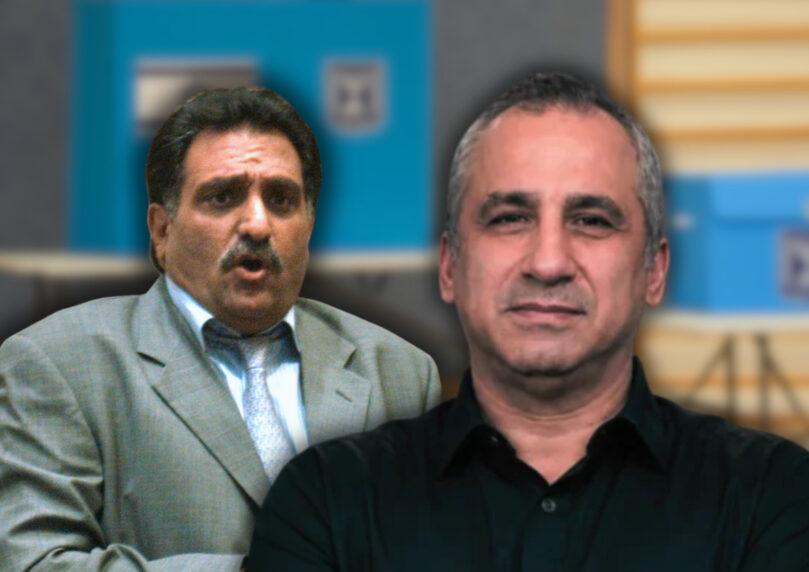

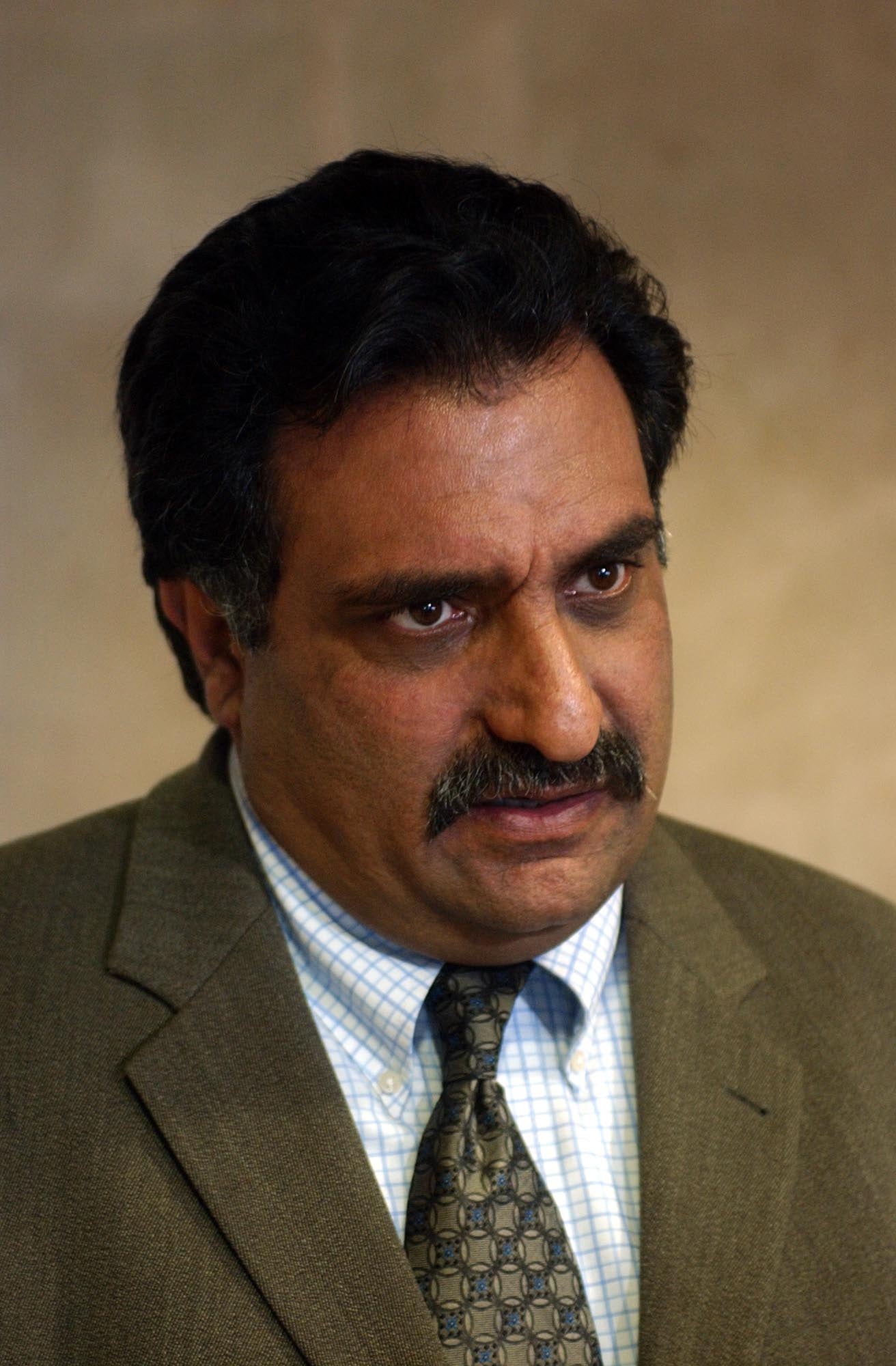
Azmi Bishara, the fugitive former Knesset member and Balad founder who fled Israel in 2007 amid criminal investigations into espionage and treason, responded over the weekend to statements made by Channel 14 Middle East analyst Dr. Edy Cohen, who identified Bishara as the likely mastermind behind Qatar’s alleged financial intervention in the 26th Knesset elections. Bishara, who resigned from the Knesset and escaped abroad to avoid prosecution for allegedly passing targeting data and intelligence to Hezbollah during the 2006 Second Lebanon War, has resided in Doha for nearly two decades.

 1+
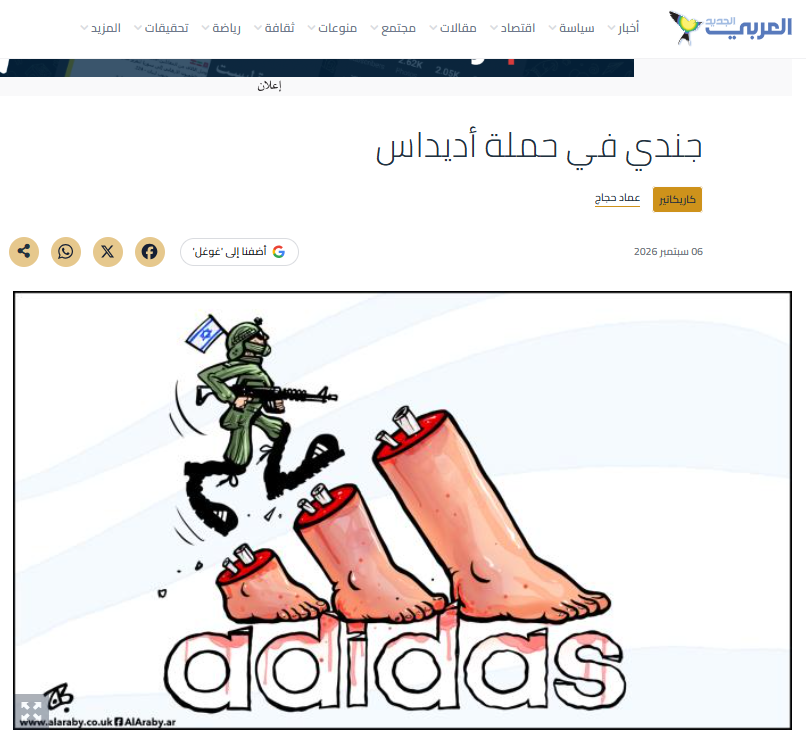
Analyzing Bishara’s influential role within the Qatari royal court, Dr. Cohen noted that the former lawmaker transitioned from a domestic political actor suspected of assisting an enemy during wartime into a key regional intellectual and political conduit. Operating from Qatar, Bishara established research institutes, think tanks, and policy centers that actively shape hostile regional narratives against Israel. Among his most prominent initiatives was his central involvement in establishing the Qatari-funded media conglomerate Al-Araby Al-Jadeed—which encompasses a daily newspaper, television networks, and digital platforms. The network regularly features extreme anti-Israel commentary, amplifies messaging from Hamas and allied factions, and disseminates incitement against IDF personnel.
Given Bishara’s institutional role in Qatar’s foreign influence apparatus, Dr. Cohen argued that should security services prove Qatari state involvement in the ongoing election-theft affair, Bishara’s fingerprints would almost certainly be on the blueprint. “If Qatar is indeed behind the subversion of the elections and the illicit transfer of cash to incentivize Arab voters, Bishara is, in all likelihood, the primary architect of the plan,” Cohen assessed. Bishara fired back in an interview broadcast by Al-Araby Al-Jadeed, the very network he helped establish. In his remarks, Bishara claimed that the Israeli right wing is waging a concerted smear campaign targeting both him and the Qatari state following the election results.
 1+
Bishara asserted that the dramatic surge in Arab voter turnout across Israel was purely organic, arguing that its primary driver was “an absolute political imperative” among Arab citizens to exert parliamentary leverage. He categorically dismissed accusations linking him or foreign networks to illicit campaign financing or voter manipulation, describing statements made by Israeli ministers, Knesset members, and media personalities accusing him of election meddling as “the product of a distorted imagination.” Bishara’s public defense arrives as the Shin Bet and the Mossad intensify their joint investigation into suspected foreign financial pipelines linked to Qatar and Turkey, reviewing whether covert capital was laundered through international charities and intermediaries to distort democratic outcomes in the 26th Knesset.