


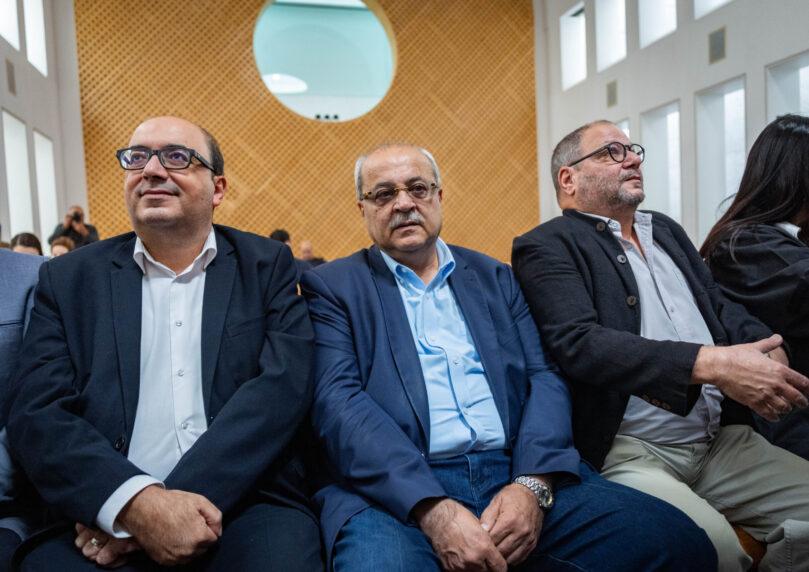

In a dramatic expansion of the “Ballot Terror” election-tampering scandal,
the Shin Bet (Israel Security Agency) is investigating suspicions that an active Knesset member from the Joint List received substantial sums of cash originating from a hostile foreign nation,
building on investigative reporting by Channel 14.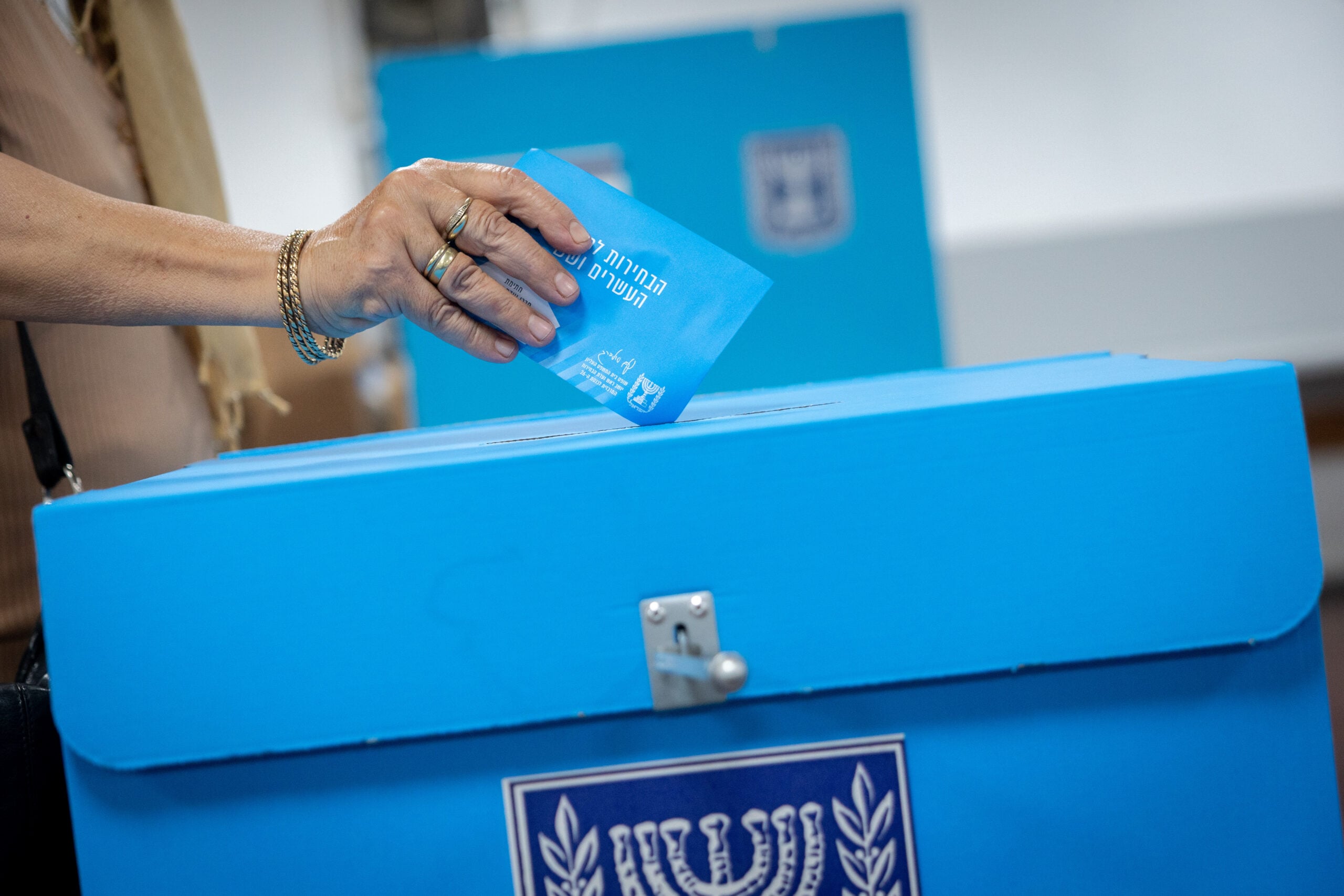
The inquiry marks a significant shift in the case’s scope, elevating it from ground-level precinct irregularities to the senior parliamentary tier of the 26th Knesset.
Security investigators are currently examining the trajectory of the alleged transfers, with sums estimated between tens and hundreds of thousands of shekels.The primary lines of inquiry focus on whether the funds were used to finance get-out-the-vote operations and boost voter turnout on Election Day, channeled into the Joint List’s organizational machinery to support wider party apparatuses, or kept in the lawmaker’s direct possession.
From Cash Envelopes to Suspected Foreign Funding
Security officials regard establishing whether the funds were confined to an individual legislator or integrated into broader factional accounts as a pivotal junction in the investigation.
This development follows disclosures from last week revealing intelligence assessments that millions of shekels sourced from foreign regimes were allegedly funneled into local precincts to buy votes and sway electoral outcomes across the Arab sector.

The security apparatus subsequently launched an intensive review to identify overseas funding mechanisms and establish whether hostile foreign actors attempted to distort Israel’s democratic process systematically.
Latest Developments: Suspects Brought to Court
The investigation originally erupted on Election Day, when southern district central investigative detectives raided residential compounds in Segev Shalom and the Azazma Bedouin encampments in the Negev.
During those searches, law enforcement seized envelopes containing bundles of cash, pre-printed ballots for the Ra’am party, and localized voter rosters.
Notably, several of the seized envelopes bore the official insignia of the Islamic Movement.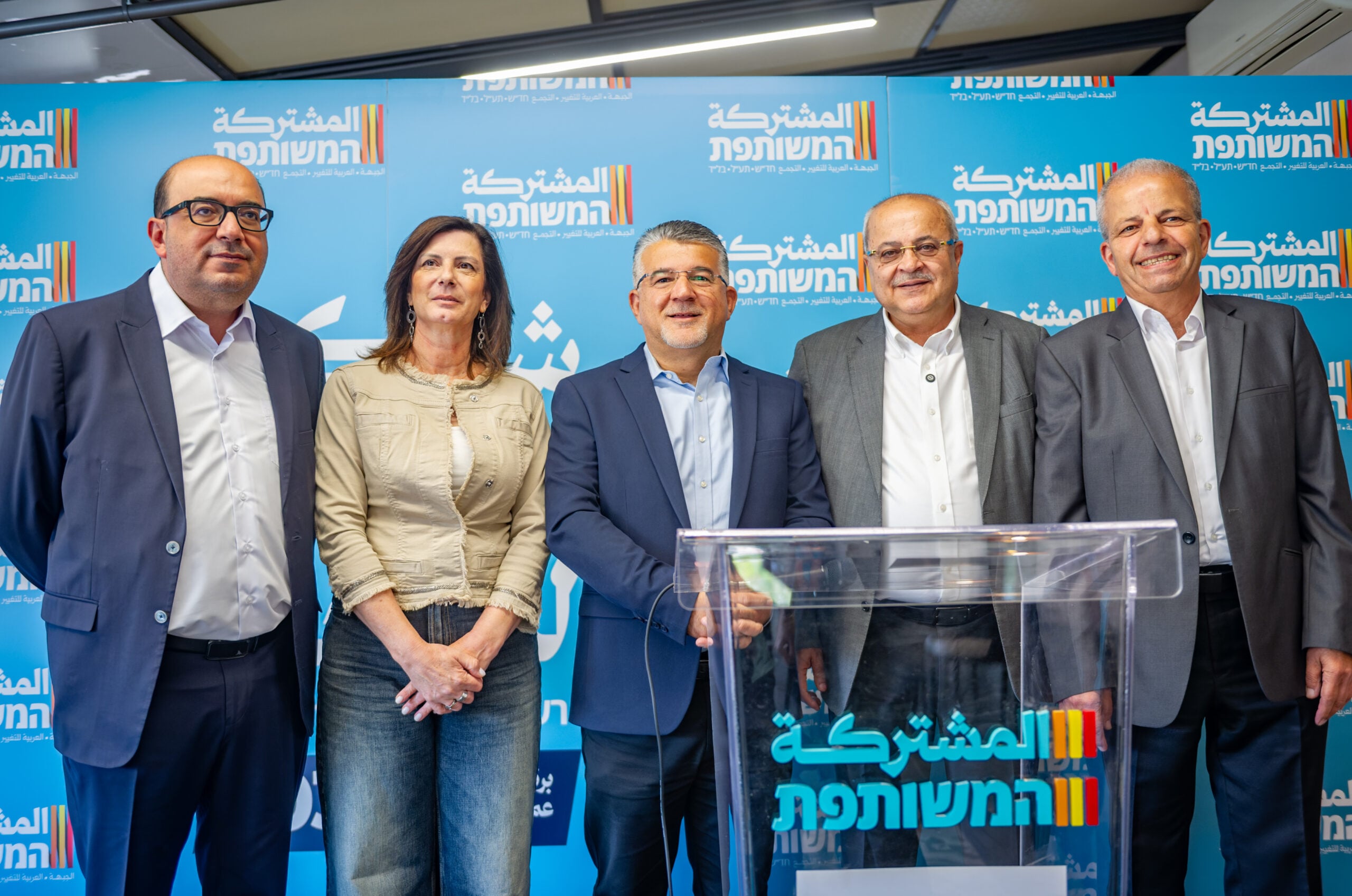
During subsequent remand hearings, police argued that the physical evidence points to a coordinated effort to influence voter choices through direct financial payments, leading the Beersheba Magistrates’ Court to affirm reasonable suspicion justifying prolonged detention.
Simultaneously, judicial proceedings regarding detained southern suspects continued on Sunday at the Beersheba Magistrates’ Court.
Police detectives requested eight-day remand extensions for two primary suspects. However, the presiding judge ordered the release of two individuals. Among those released was a local physician arrested last Tuesday. However,police requested that he be placed under restrictive house arrest; his defense counsel successfully challenged the terms, resulting in his full release without home confinement.
The Central Question: Where Did the Money Go?
Proceedings concerning a third suspect remain ongoing as investigators continue gathering digital and forensic materials. The newest intelligence track fundamentally shifts attention to the institutional political arena.
While preliminary inquiries centered on field activists and direct ballot-box voter bribery, investigators are now confronting the potential transfer of illicit foreign capital directly to an active member of the Israeli parliament.
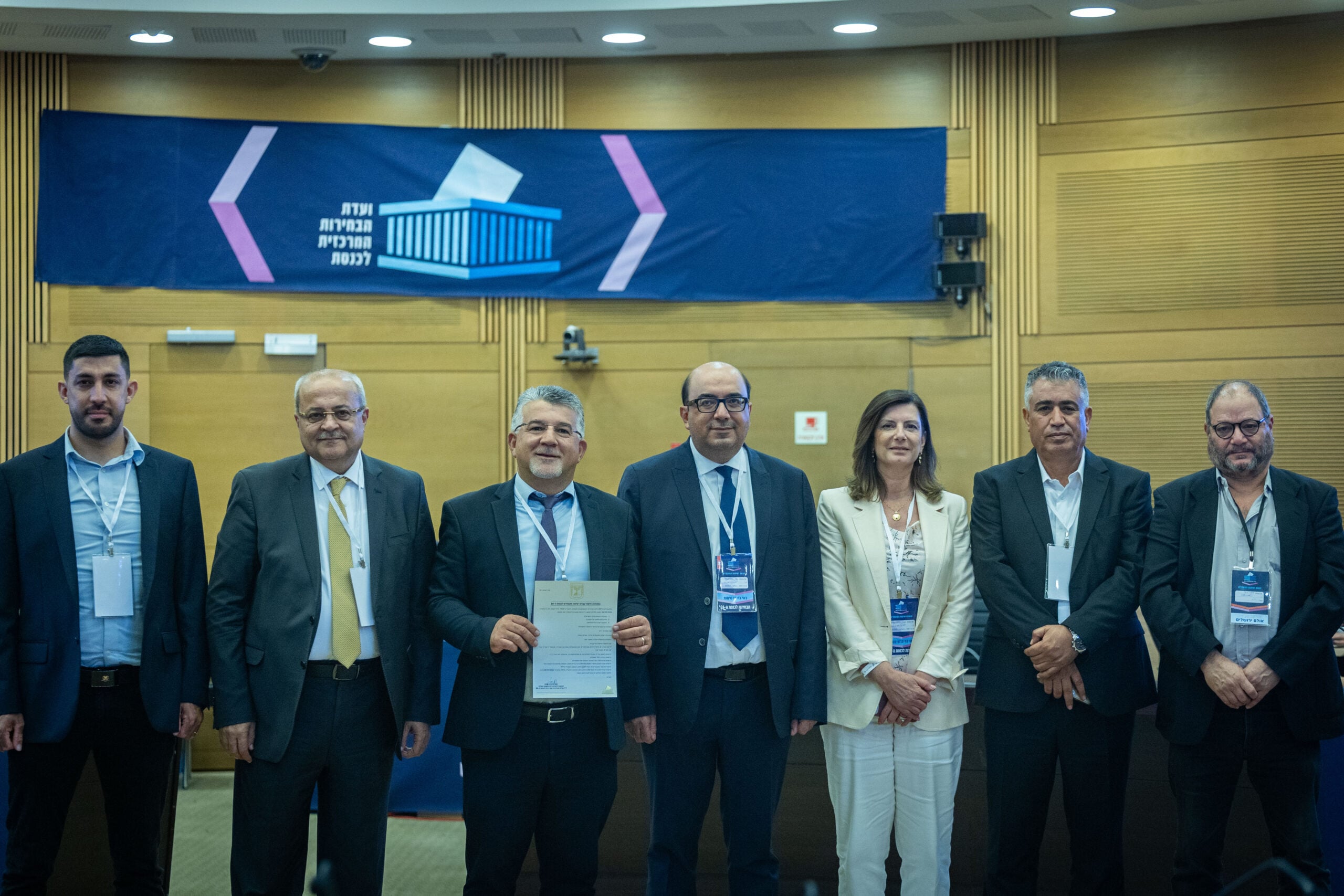
Security authorities emphasize that it remains to be proven whether these funds are directly tied to the cash seized during the raids in the south,
or if they represent an independent financial conduit financed by elements hostile to the State of Israel.