


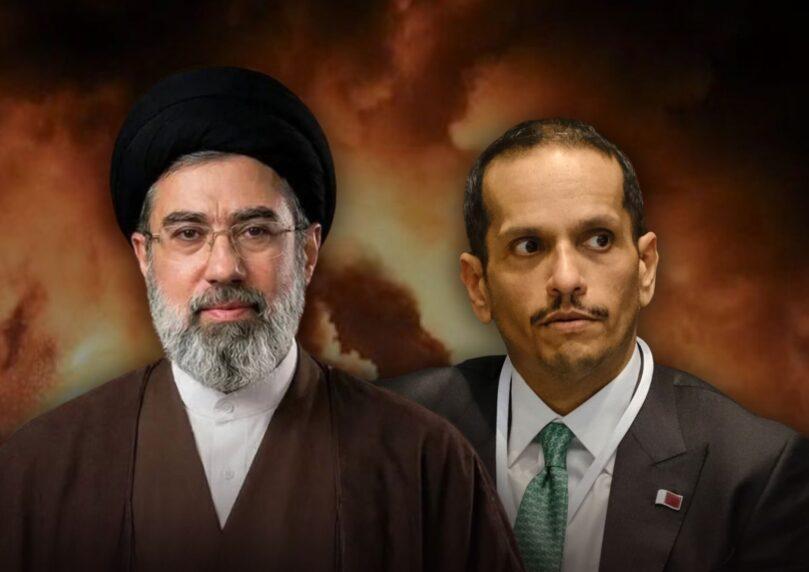

Intensive diplomatic maneuvers aimed at averting a major regional escalation will resume on Sunday in the Qatari capital of Doha, where high-level Iranian and U.S. delegations are convening to examine the parameters of an emerging de-escalation framework. The Iranian delegation arrives in the Gulf emirate for the third consecutive day of talks, joined by an American delegation dispatched to test the feasibility of a comprehensive arrangement.
According to regional reports originating in Doha, preliminary understandings under review focus on key pillars: reciprocal steps concerning the Iranian nuclear portfolio, guarantees for unimpeded commercial navigation through the vital Strait of Hormuz, and targeted financial incentives designed to alleviate economic pressures on Tehran. Under the working outline,
the Russian Federation and the People’s Republic of China have been proposed to serve as official external guarantors for any finalized pact.


 1+
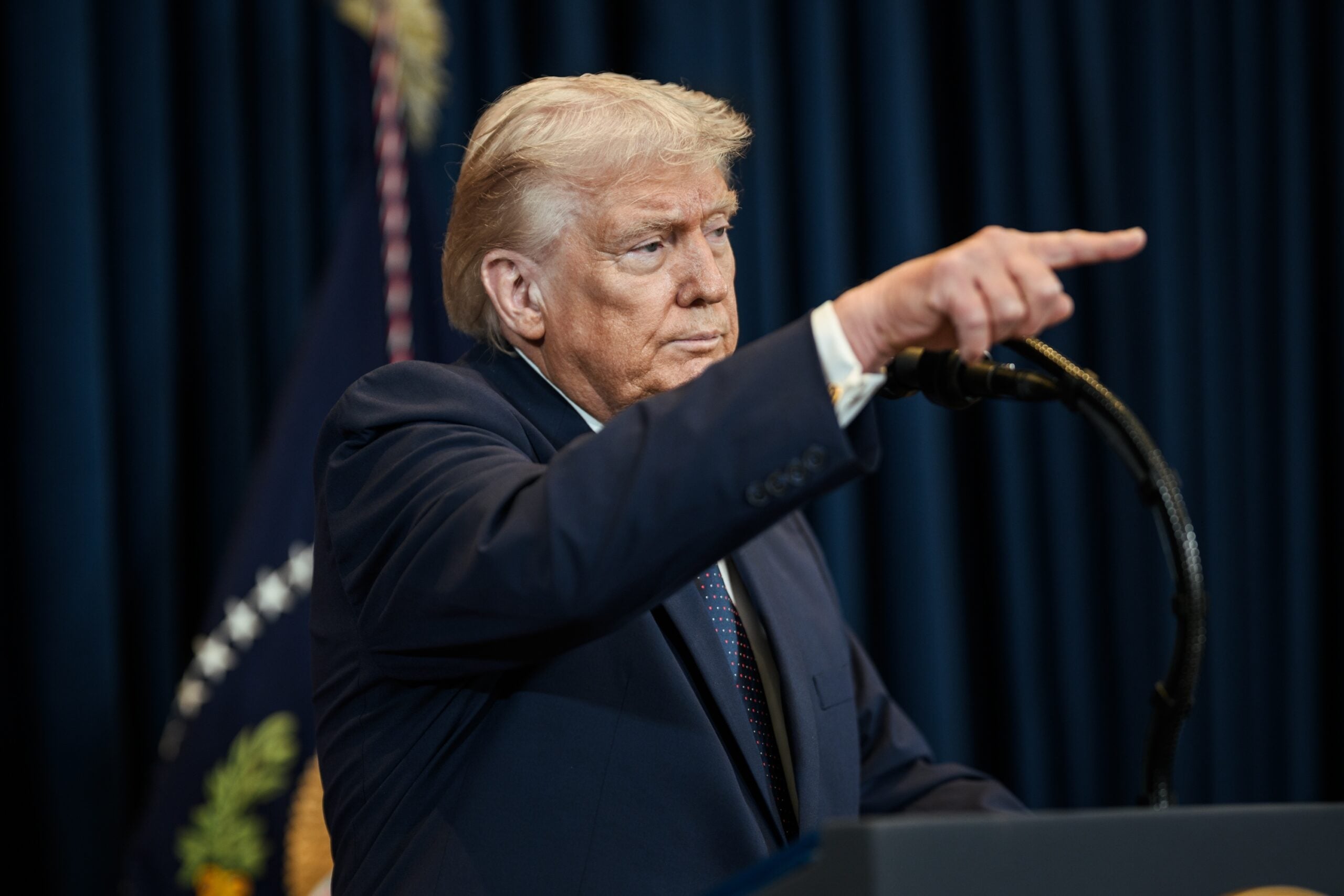
The diplomatic push gained momentum following an initial convergence on Friday, when negotiators identified common ground regarding baseline nuclear procedures and maritime protocols. However, the talks are taking place against a backdrop of acute military pressure applied by U.S. President Donald Trump. Over recent days, Trump has repeatedly cautioned Gulf partners regarding the imminent possibility of targeted military strikes inside Iran, underscoring that conventional options remain on high readiness. The president’s warnings followed a detailed strategic telephone consultation with Israeli Prime Minister Benjamin Netanyahu, during which the leaders reviewed security contingencies and operational readiness.
In the United Arab Emirates, state officials expressed guarded hope that the diplomatic channel might avert broader hostilities, while confirming that national defense establishments are actively preparing for worst-case conflict scenarios. Simultaneously, hardline resistance within Iran threatens to derail the Doha talks. Ali Nikzad, deputy speaker of the Iranian parliament, dismissed concessions on the nuclear dossier, saying peace in the region depends entirely on the full implementation of the seven formal conditions presented by the Islamic Republic.
 1+
Spokespeople for the Iranian armed forces and the Islamic Revolutionary Guard Corps (IRGC) reinforced this intransigence, warning that any future clash would be more extensive and prolonged than past engagements, explicitly referencing directives from Supreme Leader Mojtaba Khamenei establishing that an Iranian retaliatory response will recognize no geographic limitations. The diplomatic maneuvers coincide with heightened friction across maritime lanes.
Over the weekend,
the official Qatar News Agency reported that a Qatari liquefied natural gas carrier was targeted by unidentified objects within the territorial waters of the Persian Gulf.
While the incident ended without casualties or environmental damage, it underscored the fragility of the maritime corridor as diplomats in Doha try to finalize terms before military timetables take precedence.