


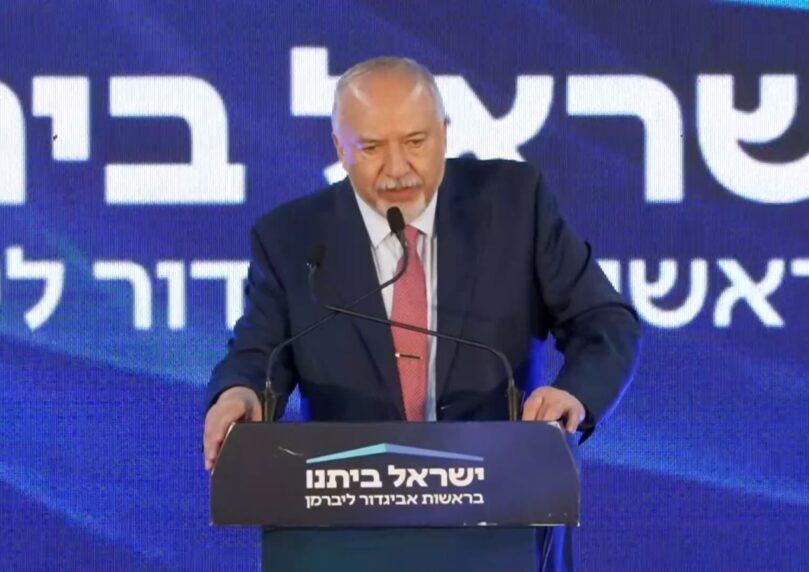

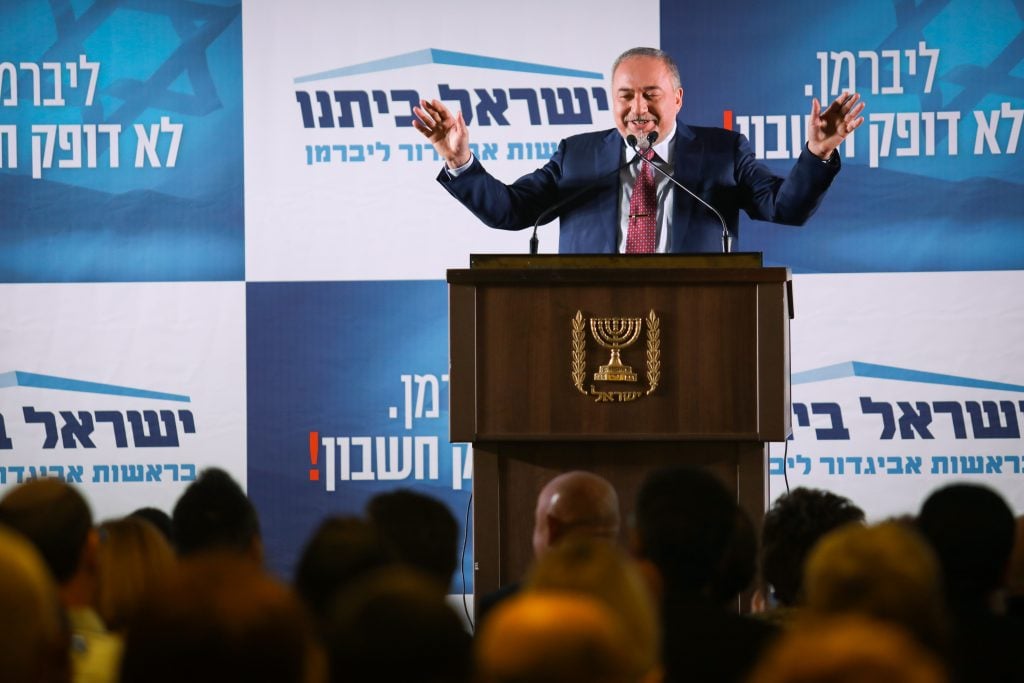
Intense apprehension is mounting across the political opposition and center-left bloc that negotiations to form an alternative governing coalition will collapse after an ultimatum from Yisrael Beytenu Chairman Avigdor Liberman, who is demanding to serve first as prime minister in a rotation agreement, according to officials involved in recent consultations.

 4+
The parliamentary math following the 26th Knesset elections has positioned Liberman as the sole arbiter of the opposition’s chances. The center-left bloc led by Gadi Eisenkot secured 48 mandates, while the two Arab factions—the Joint List and Ra’am—hold 19 seats. Together, the broader anti-Netanyahu camp commands a theoretical majority of 67 lawmakers. However, without Yisrael Beytenu’s seven seats, the remaining opposition and Arab parties hold precisely 60 seats, leaving them one vote short of the constitutional threshold needed to swear in an alternative administration.
 4+
According to sources familiar with the discussions, Liberman’s demand has emerged as the primary obstacle to finalizing an agreement. The Yisrael Beytenu leader has framed the issue as non-negotiable, refusing to endorse Eisenkot as the initial prime minister and insisting that he hold the office first.
The Bennett Precedent Returns
Insiders assess that Liberman is prepared to abandon his explicit campaign commitments—including his vocal refusal to enter any coalition reliant directly or indirectly on Arab or Haredi parties—on the condition that he receives the premiership immediately.
 4+
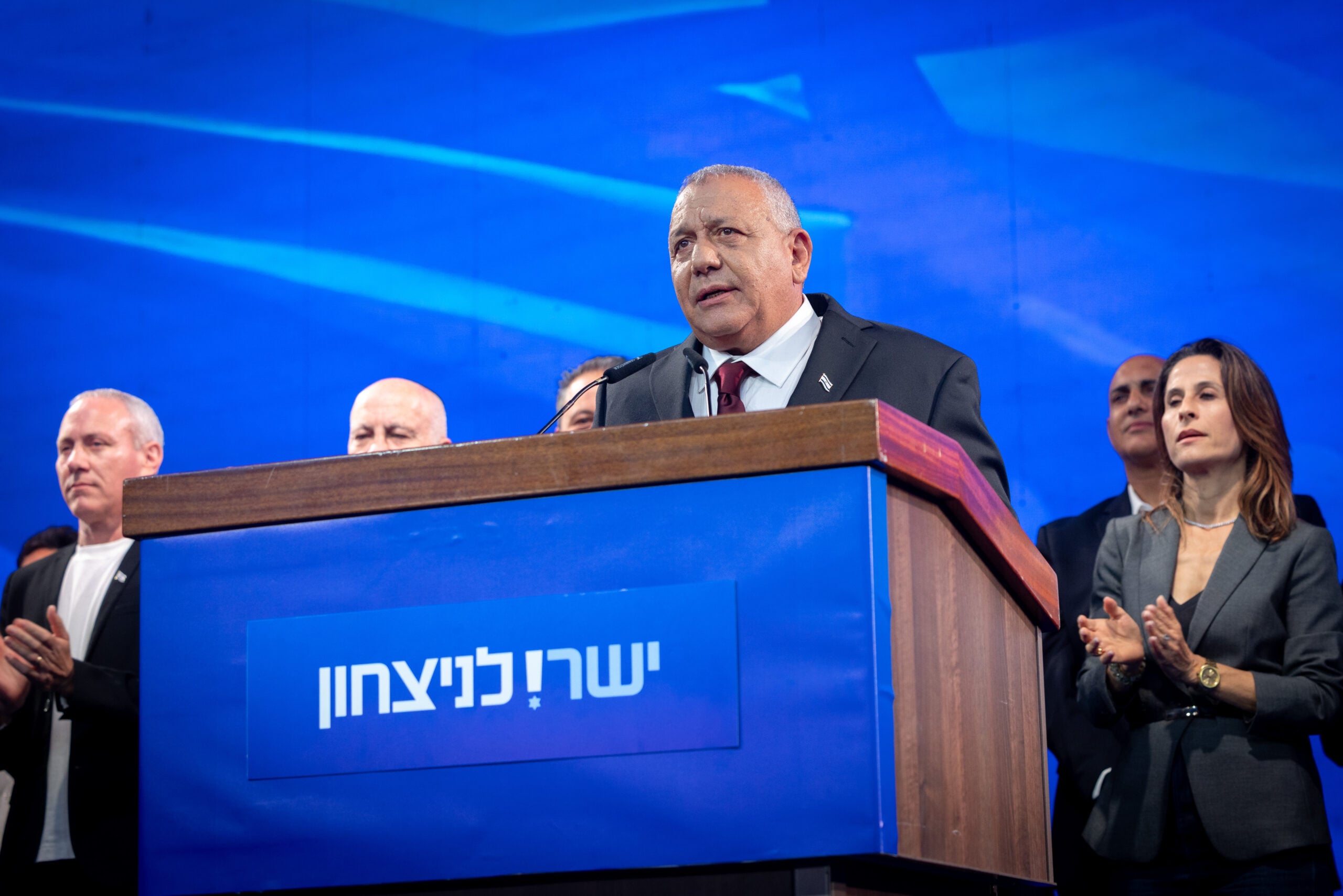
The demand has provoked sharp pushback across the bloc given the balance of power. Yisrael Beytenu holds just seven seats, compared to 21 for Eisenkot’s Yashar! party and 12 for Naftali Bennett’s Together slate. Despite this numerical gap, Liberman is reportedly looking to replicate the political precedent established by Bennett in 2021, when Bennett assumed the premiership first in a rotation with Yair Lapid despite controlling a faction significantly smaller than Yesh Atid.
Negotiators indicate that Liberman views the prime minister’s office as vital political compensation. Securing the country’s highest executive office would provide him with the public leverage needed to defend his ideological reversal to his right-leaning, secular voter base after publicly vowing to boycott the Arab factions. Key elements within the center-left bloc fear that conceding to the demand will be viewed by the public as an unprincipled political arrangement, eroding the government’s credibility before it is even established. The strongest resistance comes from the larger factions, which maintain that Eisenkot, as the head of the largest opposition party, is the natural candidate to lead the government.
 4+
Without Lieberman, No Government
Conversely, pragmatic figures within the bloc acknowledge that without Liberman, no parliamentary majority exists to displace Netanyahu. Negotiators have begun examining creative compromises designed to provide Liberman with significant achievements without handing over an initial term, such as a shortened early tenure, senior defense or economic portfolios with sweeping statutory authorities, or explicit control over the coalition’s legislative agenda.
 4+
Liberman’s reported demands stand in stark contrast to his post-election declaration: “We will not sit with Bibi or Tibi, not with Goldknopf or Deri… neither directly nor indirectly.” With the deadline for formal recommendations to President Isaac Herzog fast approaching on Wednesday, Liberman faces a defining choice: cross his declared ideological boundaries in exchange for the premiership, or hold firm to his campaign pledges and push the country toward snap re-elections.