



U.S.
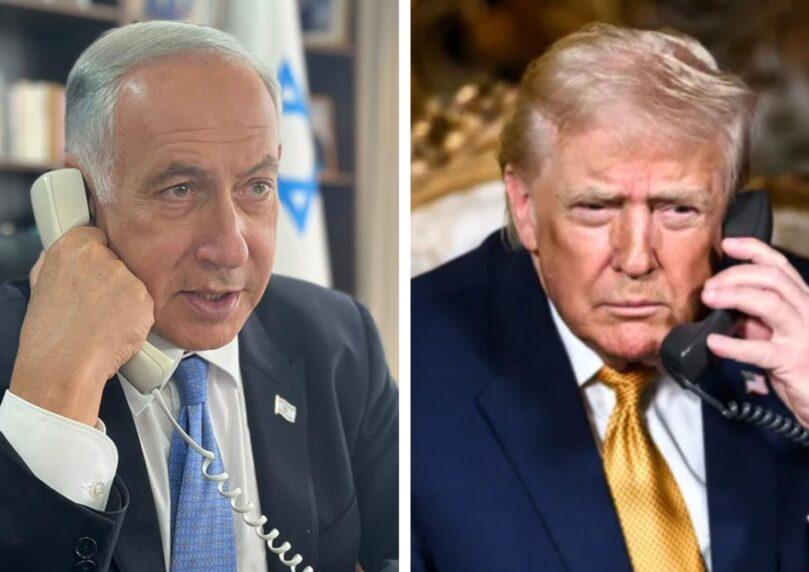
President Donald Trump held a telephone conference on Saturday morning with Israeli Prime Minister Benjamin Netanyahu as the administration weighs options for potential renewed military strikes against strategic installations in Iran,
The Wall Street Journal reported, citing officials familiar with the discussion. The high-level consultation took place days after President Trump convened senior military commanders at the White House to review contingency plans for conducting broad military operations across the region. According to the report, the U.S. president sought direct coordination with Israel, Washington’s core regional security partner, as military preparations progress alongside indirect diplomatic efforts.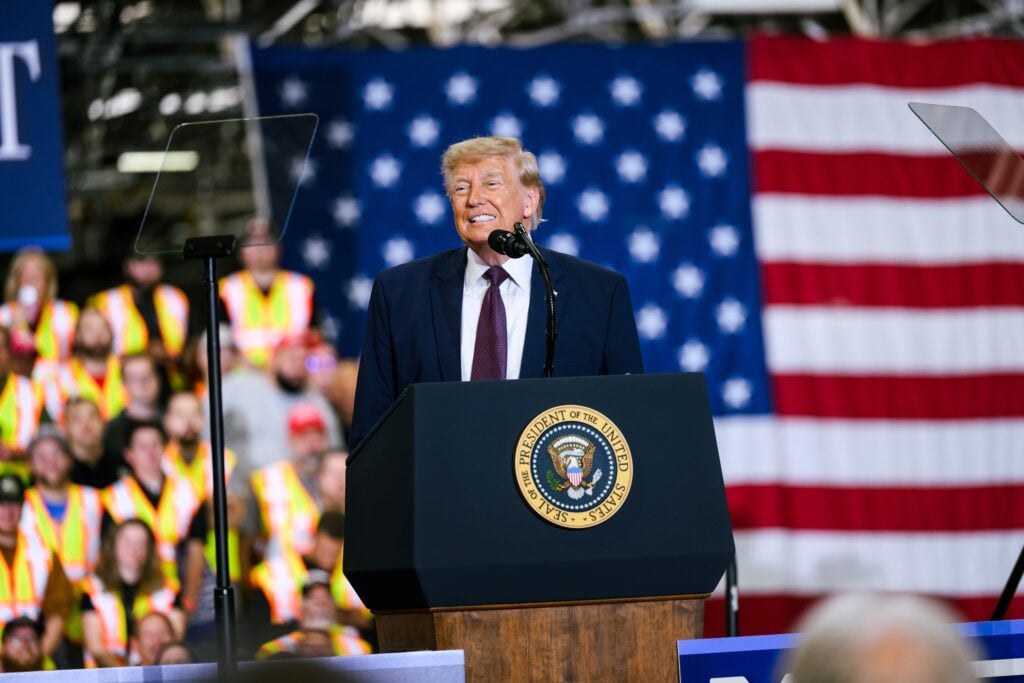

 7+
The strategic deliberations coincide with domestic political pressures in the United States, where President Trump is actively campaigning ahead of the congressional midterm elections. The broader economic ripple effects of regional maritime friction—particularly fuel costs—have become prominent points of debate, though sources noted that operational planning remains governed by strategic security thresholds.
Speaking from his Mar-a-Lago estate in Florida, President Trump reiterated that the U.S. retains decisive conventional superiority, pointing out that previous precision operations severely degraded Tehran’s naval forces, air assets, and surface-to-air defense umbrella.
 7+
“We are not in such a rush, considering that we destroyed their navy, eliminated their air force, and damaged their air defense systems,” Trump stated.
Addressing questions regarding remaining nuclear and missile facilities, Trump singled out heavily fortified underground sites, specifically referencing the deep-tunnel complex near Natanz known internationally as “Pickaxe Mountain” (Kuh-e Kolang Gaz La).
“I would say one or two sites remain, but we can do that in ten minutes,” Trump added. While reiterating military preparedness, Trump acknowledged ongoing diplomatic channels mediated by Qatar, though he cast doubt on Tehran’s history of compliance. “The talks are going well,” Trump said. “They make a deal and then back out of it. I want to make a deal. We’ll see if they make a deal.”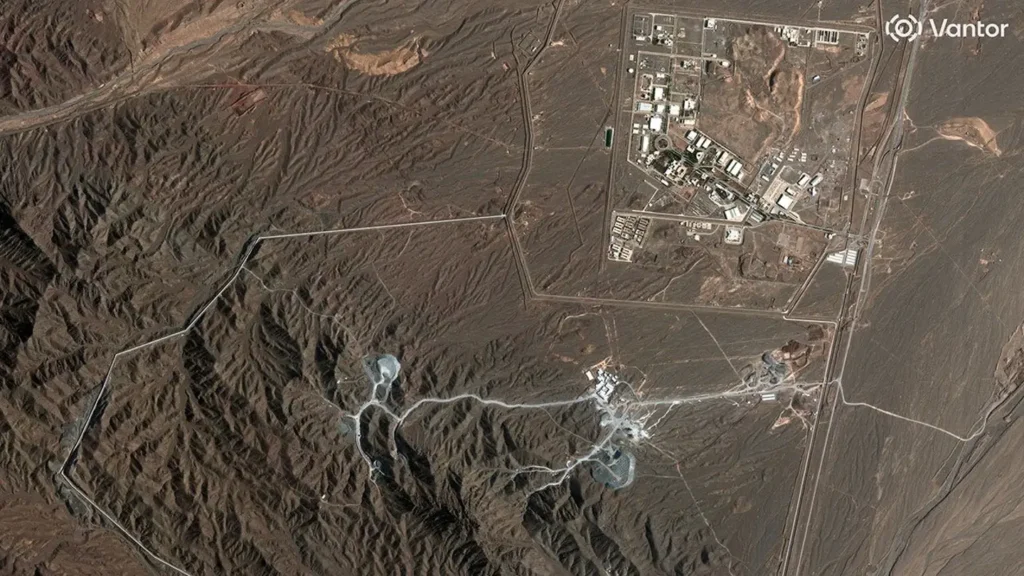 7+
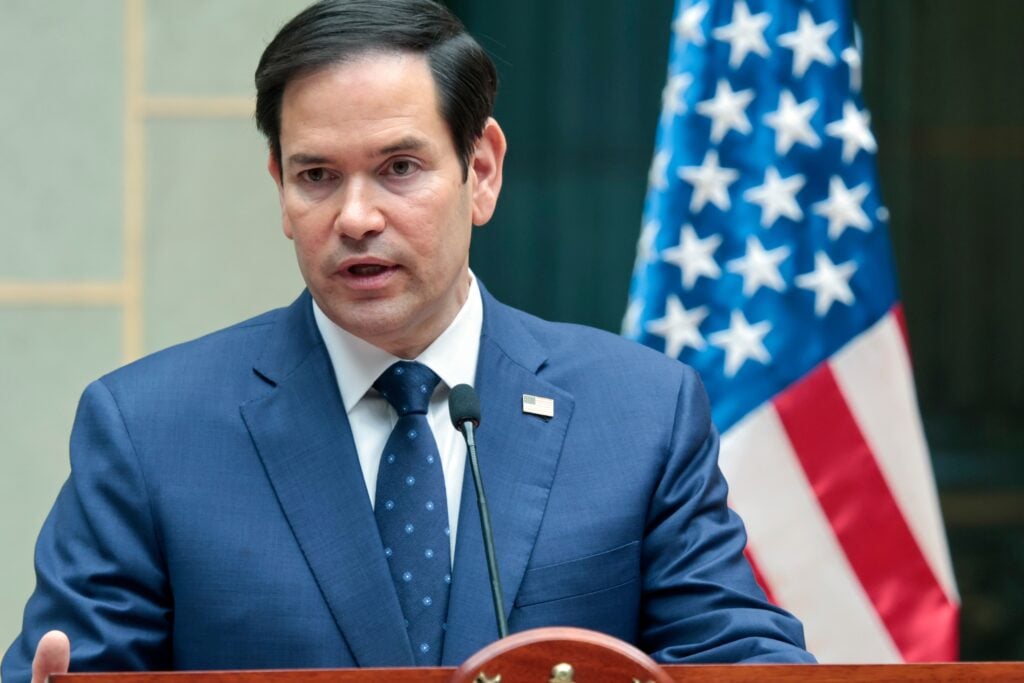
Secretary of State Marco Rubio echoed the administration’s posture during remarks at a Group of 20 gathering in Atlanta, emphasizing that while President Trump has not issued an execution order for renewed attacks, the U.S. remains focused on checking Tehran’s regional proxy networks—including Hezbollah in Lebanon, the Houthis in Yemen, and militias in Iraq—while maintaining the strategic objective of preventing Iran from acquiring nuclear weapons capability.
 7+
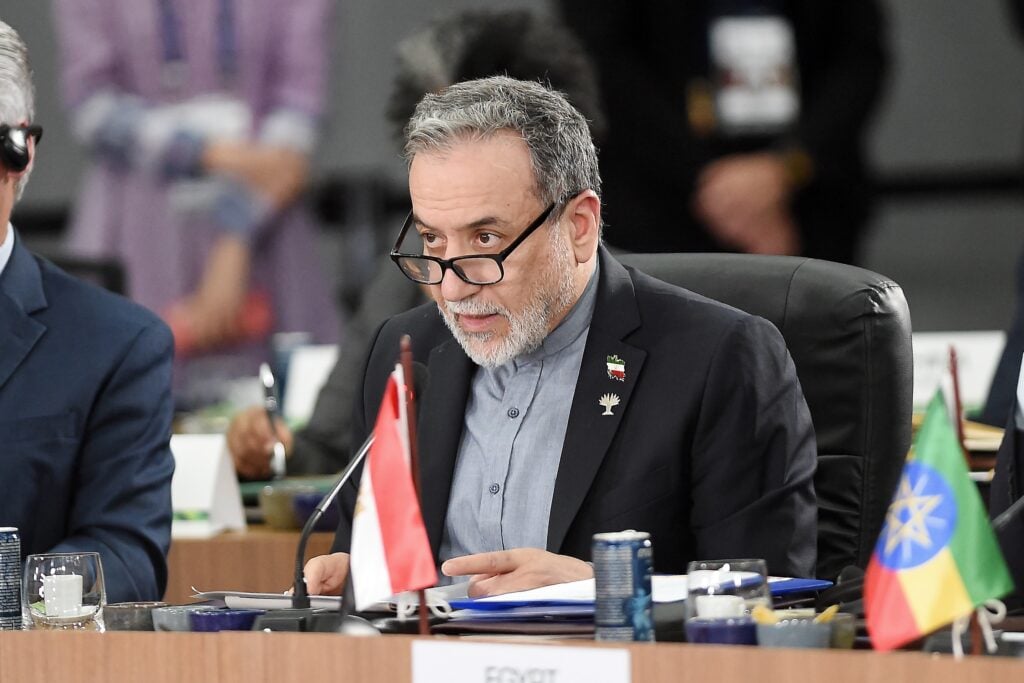
In Tehran, Iranian Foreign Minister Abbas Araghchi dismissed prospects for direct engagement with American diplomats, telling Al Jazeera that conditions for negotiations remain set through intermediary channels in Doha. The primary focus of these talks centers on navigational protocols in the Strait of Hormuz, where an Iranian proposal suggests opening the waterway within 48 hours, following previous U.S. rejections of broader Iranian demands for sanctions relief and the lifting of maritime blockades.
 7+
The main focus of discussions concerns shipping arrangements in the Strait of Hormuz. According to an AP report, Araghchi said a proposal is on the table that would allow full opening of the waterway within two days. This proposal came after Washington rejected an earlier Iranian framework that demanded a week-long timeframe and conditioned the strait’s opening on extensive demands: lifting the naval blockade from Iranian ports, fully releasing frozen financial assets worldwide, and removing restrictions on the Islamic Republic’s oil exports.
 7+
Tehran’s hardline position was expressed in a statement by Mohsen Rezaei, secretary of Iran’s Supreme National Security Council, who made clear there would be no compromise without full acceptance of the country’s demands. In a post on his official X account, Rezaei emphasized: “We have said again and again: the seven conditions Iran announced must be met. If the conditions are fulfilled, the path to diplomacy will be open.” He also issued a sharp warning that in any scenario of military action against his country, new combat measures not yet used would be deployed.
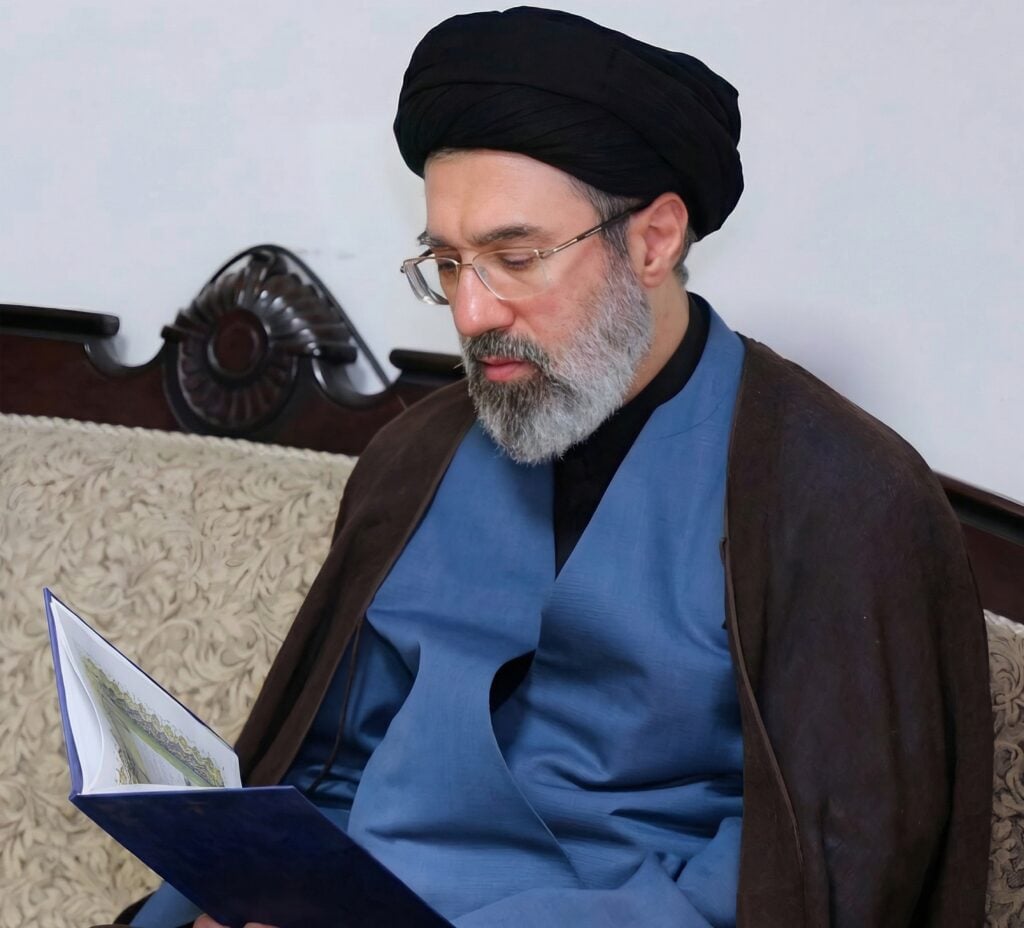
Meanwhile, Iran’s Supreme Leader Mojtaba Khamenei addressed the armed forces on Saturday and instructed them to prepare for immediate and effective response orders, without any geographic limitations, against any attempted attack by the United States or Israel. Iran’s Chief of General Staff Ali Abdollahi sharpened the message, making clear that intelligence units are closely tracking American military movements and updating the target bank. Abdollahi threatened that if his military identifies practical preparations for an attack, it will not wait for the first blow to determine the timing and scope of its response.
 7+
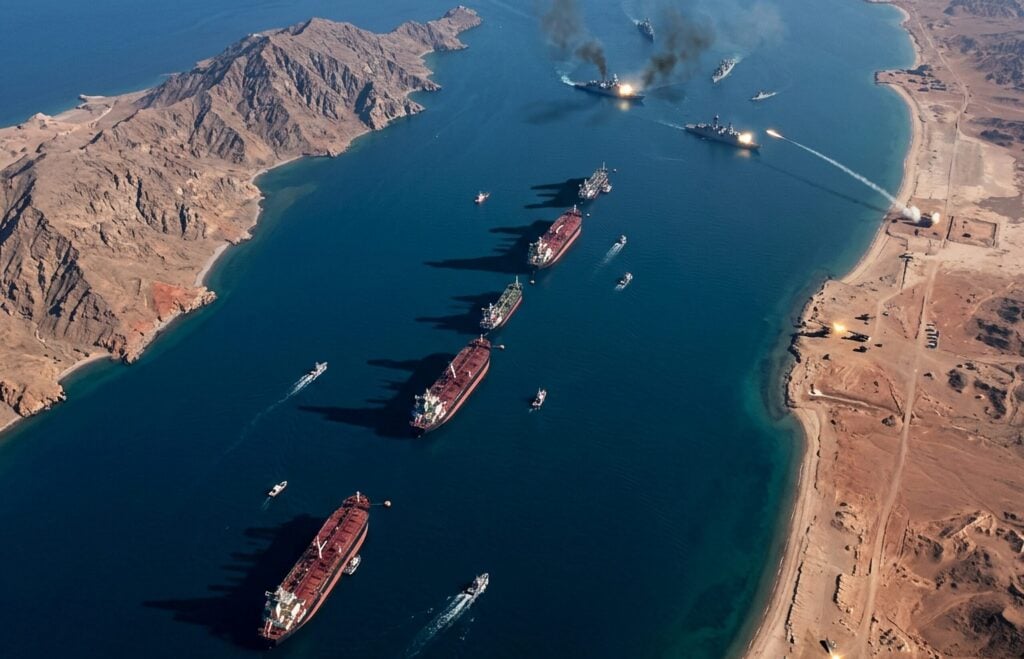
At sea, U.S. Central Command (CENTCOM) confirmed that its ongoing naval blockade has intercepted and rerouted 144 commercial vessels bound for Iranian ports, with the aircraft carrier USS George Washington anchoring enforcement efforts in the Persian Gulf. Treasury Secretary Scott Bessent said standard commercial transit through the Strait of Hormuz has stabilized, with targeted restrictions applied exclusively to Iranian oil shipments. “The world can live without Iranian oil. Iran cannot live without oil exports.”
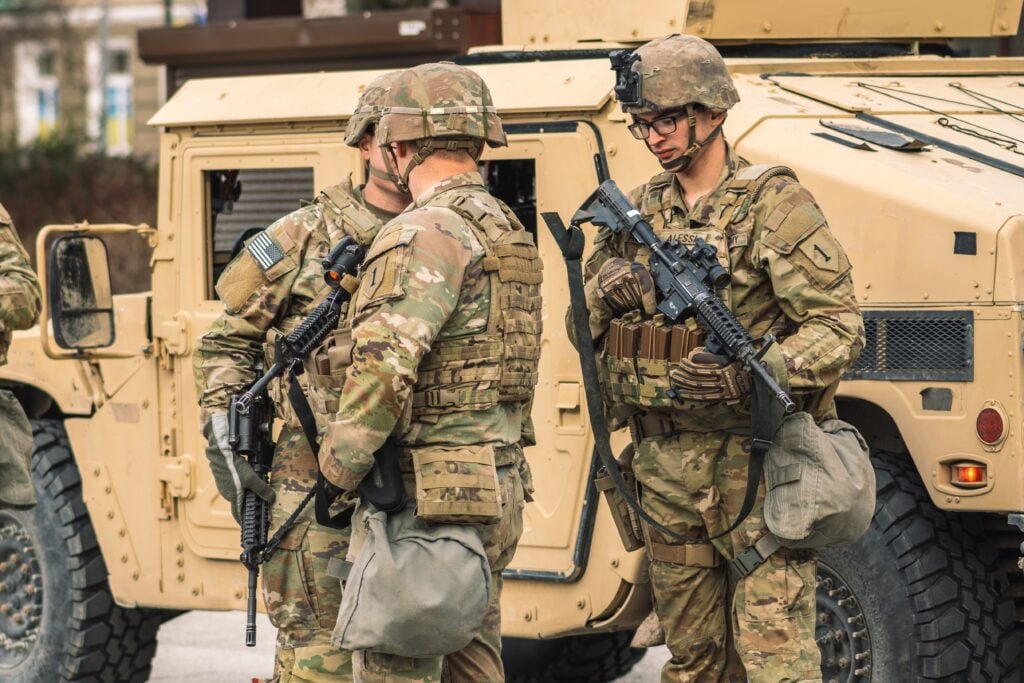
Alongside the offensive achievements, the heavy price the campaign is exacting from the American side has been exposed. A comprehensive investigation published by the Associated Press, based on satellite imagery analysis and field testimony, revealed that more than 115 precision strikes carried out using missiles and unmanned aircraft—for which Iran and militias it supports claimed responsibility—hit 26 bases and sites where American forces and equipment are deployed through August.
 7+
Damage to the bases is estimated in the billions of dollars, and includes direct hits on aircraft storage hangars, critical equipment warehouses, and advanced radar systems. Against this backdrop, Dan Hoffman, a former senior CIA official, warned in a Fox News interview that Tehran seeks to drag the United States into a prolonged war of attrition. Hoffman explained that despite the blows it has absorbed, Iran still holds significant stockpiles of ballistic missiles and attack drones that could be directed at extensive retaliatory strikes against American facilities and critical energy infrastructure in Saudi Arabia, Bahrain, and the United Arab Emirates—a scenario requiring extensive defensive preparations before the signal for action is given.
The phone call between Trump and Netanyahu underscores that while regional diplomacy continues through intermediaries, military assets across the theater remain on elevated alert for immediate deployment should talks deteriorate.