


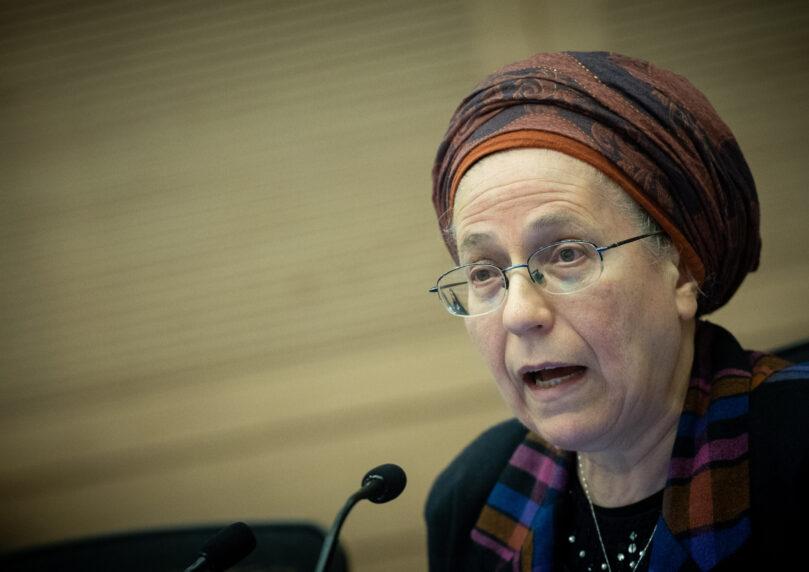

Minister Orit Strock confirmed Saturday night that she initiated a phone call with newly elected lawmaker Tal Ohana of Gadi Eisenkot’s Yashar!
party, addressing the matter publicly after Eisenkot’s faction cited her outreach amid growing friction over alleged backchannel coalition talks. The disclosure followed a public spat between Yashar! and the Likud.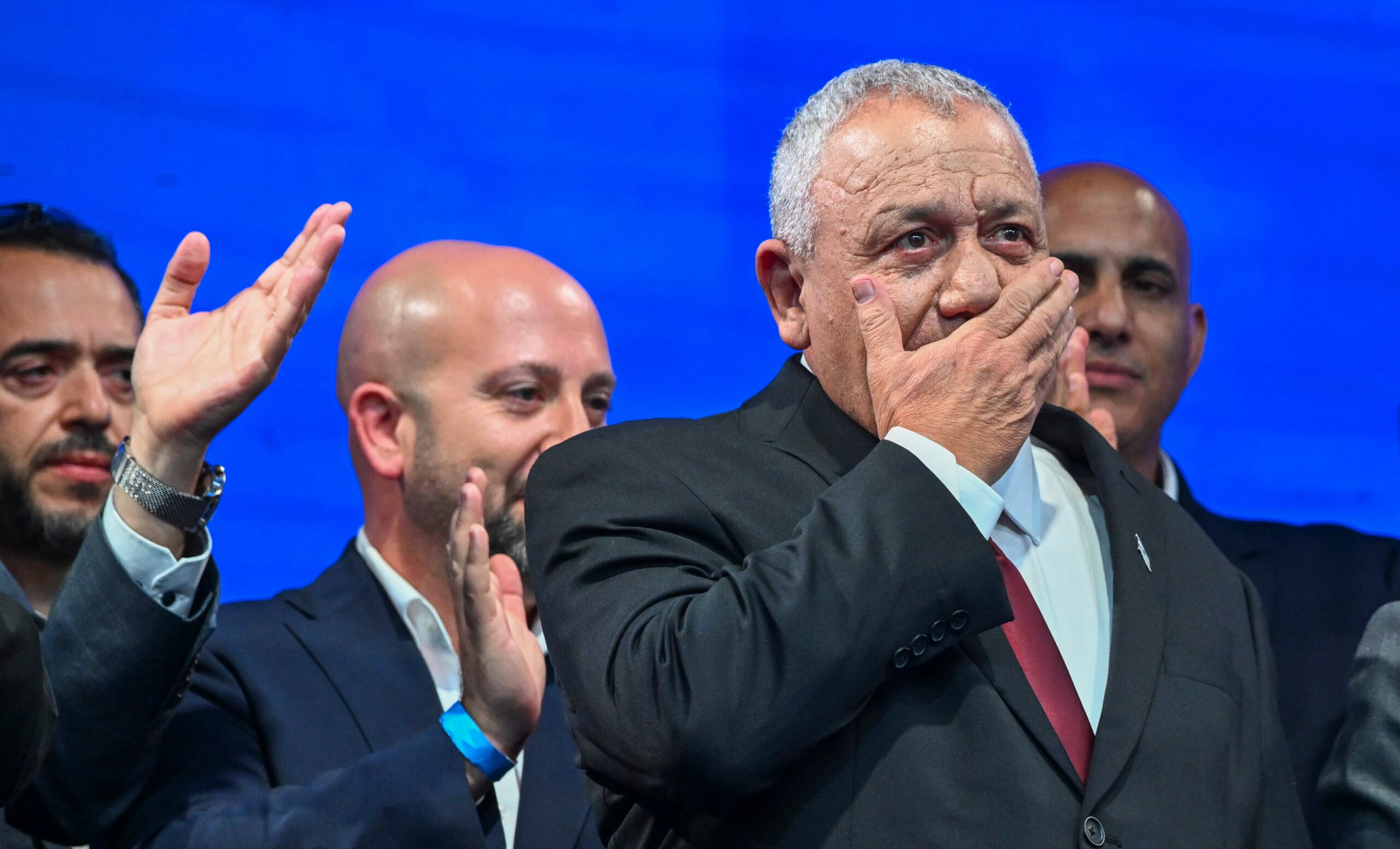

 1+
In a post on her Twitter account, Strock wrote: “Shavua Tov. I confess! I called Tal this evening. Tal Ohana, my good friend. To congratulate her on entering the Knesset.” The minister went on to explain the professional and personal relationship between them: “Tal and I work together on rehabilitating northern border communities. Just last Monday we corresponded about the new core group forming to strengthen Even Menachem.” Strock closed her message with a personal note, emphasizing their friendship and hinting there was no political motive behind the call. “I love and appreciate Tal very much, and wanted to share in her joy. Tal didn’t answer, but will surely get back to me. I’m sure nothing straight/crooked will destroy the strong friendship between us,” she wrote.
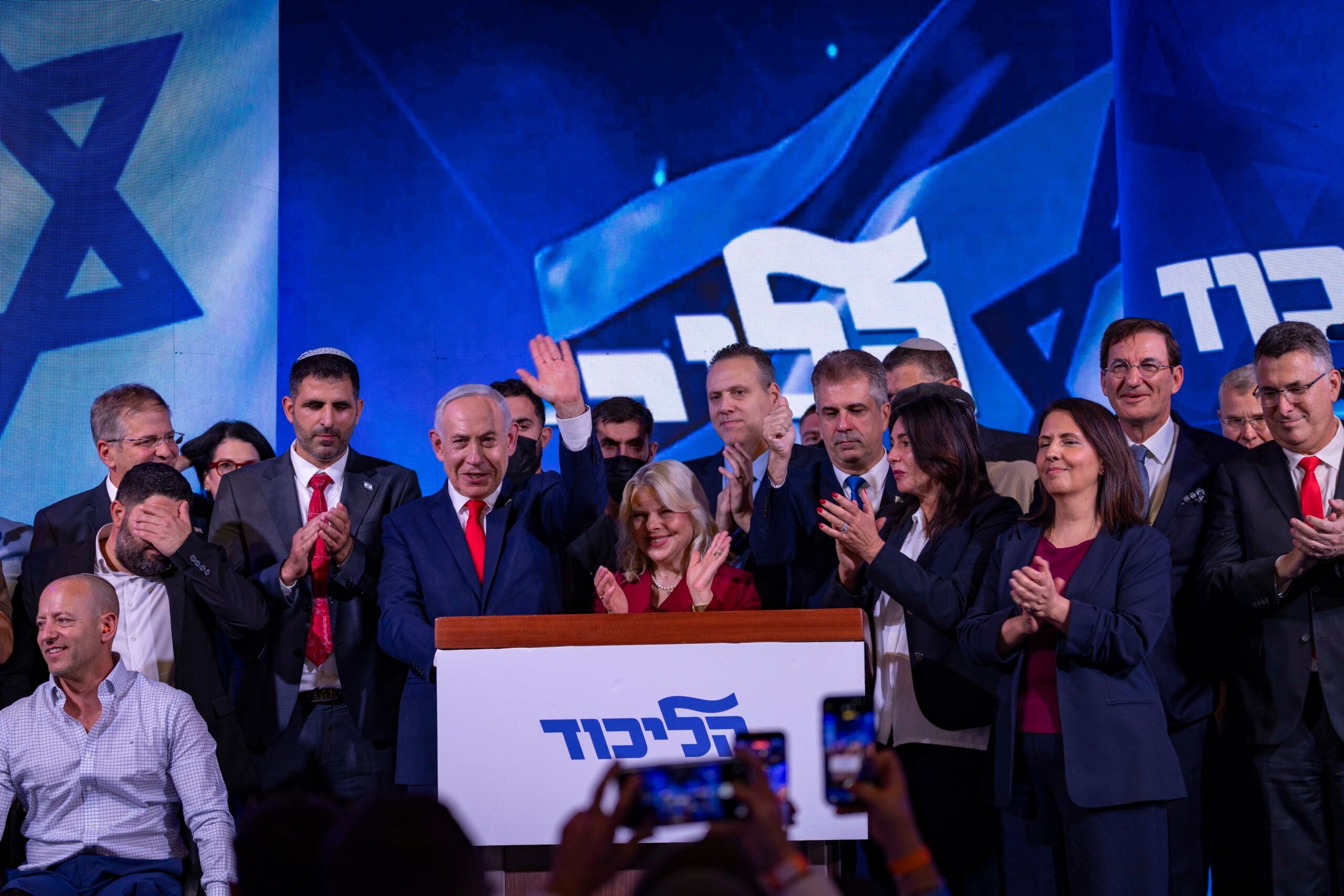
Conceding that the conversation did not actually take place, Strock noted that the gesture was grounded entirely in personal goodwill: “I love and appreciate Tal very much, and I wanted to rejoice in her joy. Tal did not answer, but she will surely call me back. I am certain that nothing ‘straight’ or ‘crooked’ [a play on Yashar’s Hebrew party name] will undermine the strong friendship between us.” The exchange underscores the acute sensitivity surrounding personal contacts between coalition ministers and opposition lawmakers following the election. Before Strock’s clarification, the Likud issued an aggressive rebuttal against Eisenkot and his media adviser, former IDF Spokesperson Ron Manelis.
 1+
The Likud claimed that Yashar!’s leadership was acting out of mounting political anxiety,
arguing that Eisenkot and Manelis were attempting to deflect public attention from backchannel negotiations aimed at assembling an alternative government reliant on anti-Zionist Arab parties.
Despite Likud’s blanket denials of institutional outreach, Yashar!maintained its assertions that multiple figures across the right-wing bloc had sought lines of communication,
pointing to Strock’s attempted call as corroboration. Strock’s public remarks aimed to deflate the political speculation, framing the outreach as an innocent civic congratulation between cross-aisle colleagues.