


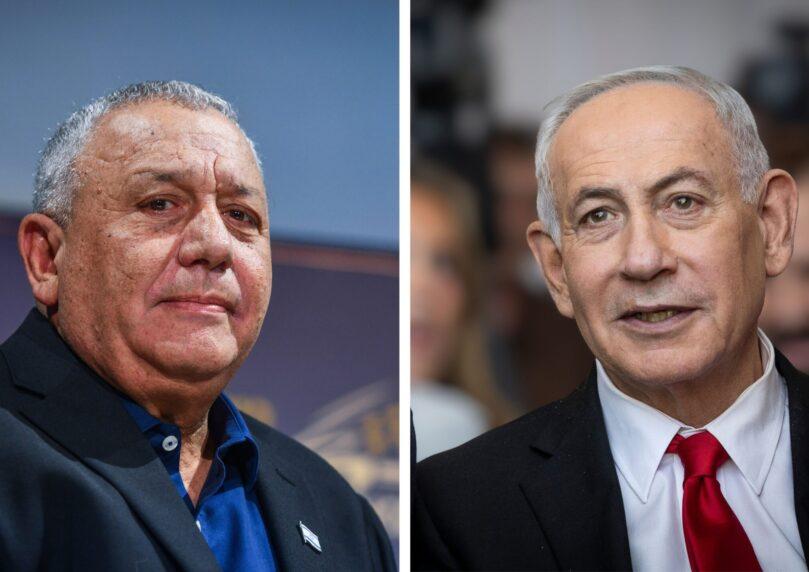

Five days after the polls closed for the 26th Knesset, the Israeli political system is entering a momentous week that will shape the next government, even as the race for power is overshadowed by the expanding “Ballot Terror” investigation. The election results leave the parliamentary map in delicate tension. The Likud remains the single largest party in the Knesset, yet the national camp commands 53 mandates—short of the 61-seat threshold required for a stable majority. Meanwhile, the center-left bloc, with 48 seats, is exploring ways to form an alternative government and unseat Prime Minister Benjamin Netanyahu.

 2+
Millions of Shekels, Cash Envelopes and Ra’am Ballots
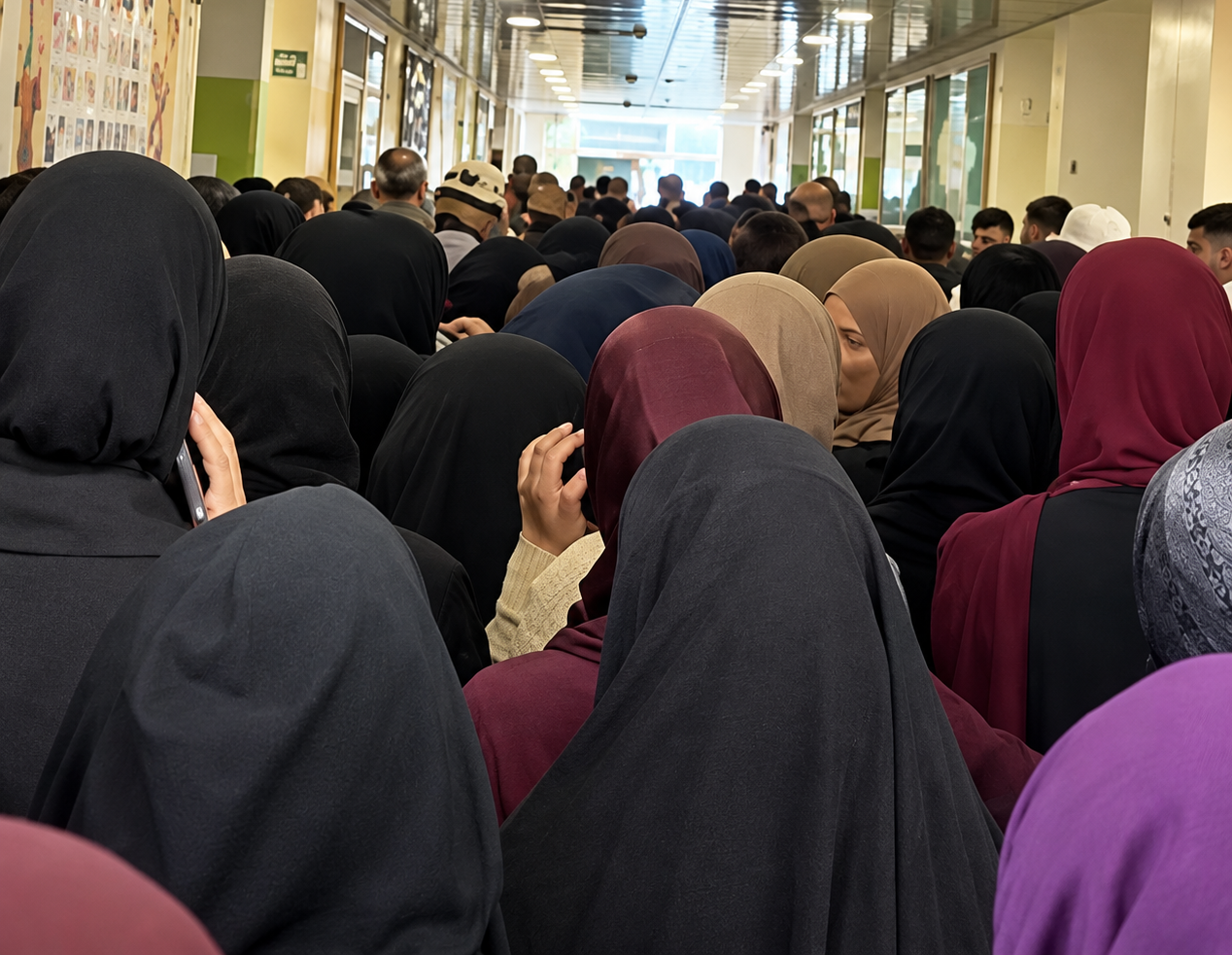
The election-theft affair originated on Election Day with local police operations across the Bedouin sector in the Negev. Officers detained suspects caught red-handed with envelopes containing tens of thousands of shekels in cash alongside official voting slips for Mansour Abbas’s Ra’am party.
The tactical inquiry escalated dramatically after Channel 14 military analyst Noam Amir disclosed that intelligence files point to millions of shekels from foreign states being injected into ground operations to buy votes and artificially boost turnout.
Mossad Enters the Picture: Following the Money Outside Israel
Recognizing the international dimensions of the money trails, the Shin Bet enlisted the Mossad to track cross-border financing conduits.
The Mossad’s deployment shifts much of the evidentiary hunt overseas, deploying international intelligence assets to identify foreign non-governmental organizations, shell foundations, and offshore banking networks used to channel funds into Israel. Investigators are scrutinizing potential ties linking local operatives to foreign sponsor states, specifically Qatar and Turkey, both of which have denied unlawful interference. The financial investigation is accompanied by intense scrutiny of state-backed foreign media operations. 2+
Qatar, Turkey and Activity Around the Arab Vote
During the election cycle, official networks in Qatar, Turkey, and Lebanon orchestrated aggressive broadcast campaigns aimed at mobilizing Arab voters, granting prominent airtime to fugitive former MK Azmi Bishara and Balad leader Sami Abu Shehadeh.
These parallel developments now face a rigid constitutional deadline.Shin Bet Investigating, Political Clock Ticking
Central Elections Committee Chairman, Supreme Court Justice Noam Solberg, instructed the Shin Bet to report back on its findings within one week.
The clock expires in lockstep with the statutory deadline of Wednesday, November 4, when the Central Elections Committee must formally certify and publish the official election results. 2+
The Battle for the Mandate: Netanyahu vs. Eisenkot
Alongside the investigation, the political system is preparing for the stage of recommendations to the president. Netanyahu will try to translate Likud’s status as the largest party into an advantage in the battle to form the government. In contrast, Gadi Eisenkot and left-wing party leaders will need to consolidate sufficient support to present a governing alternative. At the center: the possibility of forming a minority government that would rely on support from the Arab parties, which together hold 19 seats.
The Battle for Power Is Just Beginning
As Prime Minister Netanyahu prepares to leverage Likud’s frontrunner status and Gadi Eisenkot works to consolidate opposition backing, the imminent findings of the Shin Bet and Mossad could determine whether contested ballot boxes are thrown out, directly affecting the final seat count and the fate of the next governing coalition.