




Against the backdrop of emerging 26th Knesset election results that leave the opposition without a path to power on its own,
the Joint List (Hadash-Ta’al) published an official statement on Wednesday evening appealing directly to the leaders of the “change bloc,
” declaring its readiness to engage in formal political cooperation to block a right-wing administration and end Prime Minister Benjamin Netanyahu’s tenure.


 1+
“The Joint List will act with all its might to bring an end to Netanyahu’s rule,” the faction stated in its public declaration. “We are ready for political cooperation to establish an alternative government that will present a genuine alternative and commit to a fundamental change in the racist policies of the current government.” Moving beyond generic declarations, the Joint List outlined clear baseline demands for prospective partners within the center-left opposition, insisting that any alternative administration must formally commit to “act for the recognition of the rights of the Arab public and to end the exclusion of the community and its elected representatives from the political system.”
The announcement arrives at a pivotal juncture in the transition process, placing the heads of the Zionist opposition parties before an immediate and fraught ideological dilemma. According to verified interim returns covering roughly 96% of standard polling stations, the center-left opposition bloc stands at 48 mandates, while Netanyahu’s national camp commands 53 seats. With both blocs short of the statutory 61-seat threshold required to swear in an incoming government, the 19 mandates held by the Arab slates—12 for the Joint List and 7 for Mansour Abbas’s Ra’am—provide the decisive leverage in the 26th Knesset.
 1+
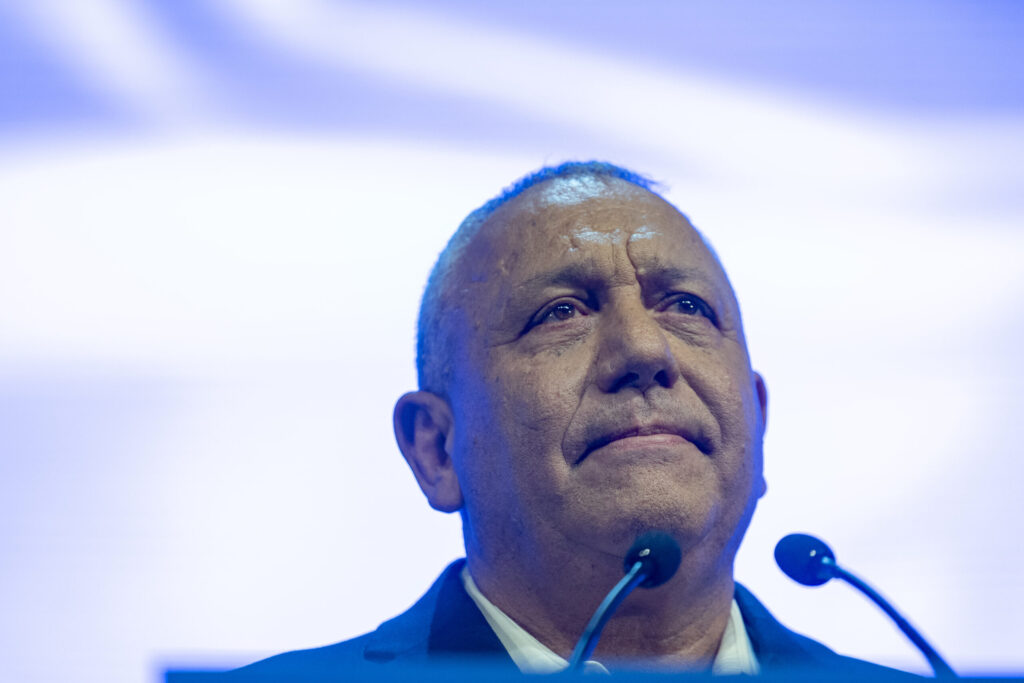
Without the Joint List’s direct votes or external parliamentary backing, an alternative coalition anchored by Gadi Eisenkot’s Yashar! (21 seats), Naftali Bennett’s BeYachad (12 seats), Yair Golan’s Democrats (8 seats), and Avigdor Liberman’s Yisrael Beytenu (7 seats) cannot cross the threshold of viability. However, formal alignment with the Joint List presents immense political peril for Zionist opposition figures. Over recent days, public scrutiny has intensified around the controversial records of incoming Joint List lawmakers, several of whom have documented associations with hostile elements, while faction leaders celebrated their recent electoral surge by dedicating their achievements to Gaza and incarcerated security prisoners.
The Joint List’s public overture forces Eisenkot, Bennett, and Liberman to make a defining strategic choice in the coming days: accept a formal governing framework dependent on anti-Zionist factions to secure executive power, or adhere to their ideological red lines and abandon their bid to displace Netanyahu.