


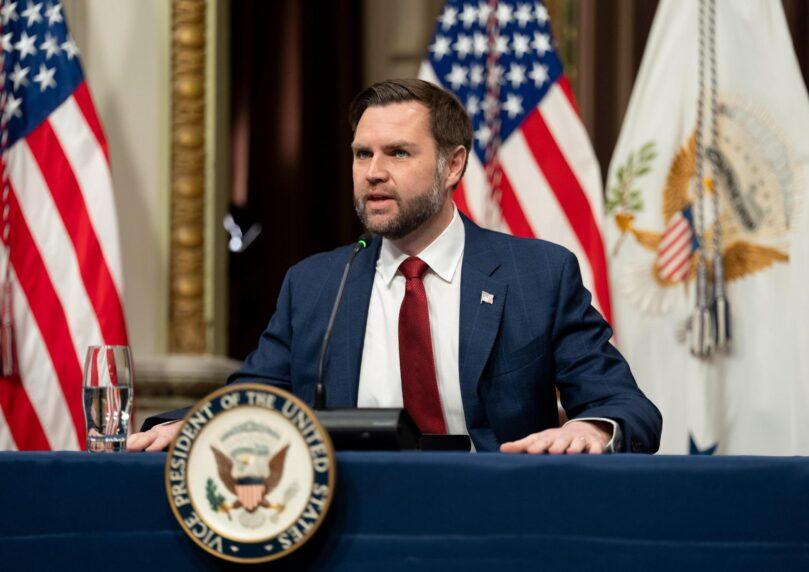

U.S. Vice President JD Vance has taken steps to restart direct diplomatic negotiations with the Islamic Republic of Iran, engaging one of Tehran’s most prominent hardline security figures, according to an investigative report published Wednesday evening by
The Wall Street Journal.Citing senior U.S. officials and sources with direct knowledge of the diplomatic initiative, the report said Vance sent a formal letter to Mohsen Rezaei, who currently serves as secretary of Iran’s Supreme National Security Council.


 1+
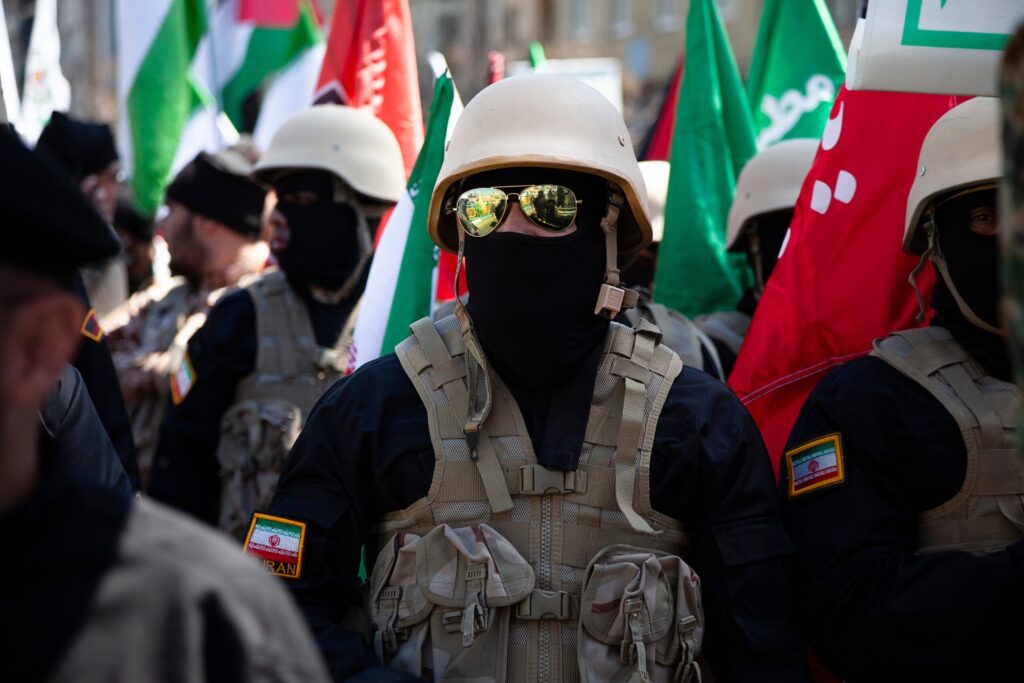
The choice of Rezaei as an interlocutor carries operational significance within the Iranian regime. A veteran hardliner, Rezaei served as chief commander of the Islamic Revolutionary Guard Corps (IRGC) for 16 years—the longest tenure of any commander in the organization’s history—and remains an influential voice within Supreme Leader Ali Khamenei’s inner security circle. Engaging Rezaei gives Washington a direct conduit into the regime’s military and security apparatus, bypassing more moderate diplomatic channels that have previously failed to alter Tehran’s posture.
The revelation comes amid peak regional tension and repeated warnings by President Donald Trump regarding the resumption of direct military action against the regime. Trump has publicly linked the timeline for strategic decisions to the upcoming U.S. midterm elections, scheduled for Tuesday, November 3, 2026. Over recent weeks, the U.S. military and the IDF have completed sweeping preparations for combined kinetic strikes targeting Iranian ballistic missile infrastructure, command nodes, and nuclear facilities should diplomatic avenues collapse.
 1+
Foreign policy analysts view Vance’s letter as the diplomatic anchor of a classic “maximum pressure” strategy: presenting Tehran with an explicit choice between entering substantive negotiations or facing an unprecedented coordinated air campaign once American domestic political hurdles are cleared.
With only days remaining before U.S. polls open, Vance’s direct communication to Rezaei tests whether the regime’s hardline leadership will negotiate before Washington’s post-election operational window takes effect.