


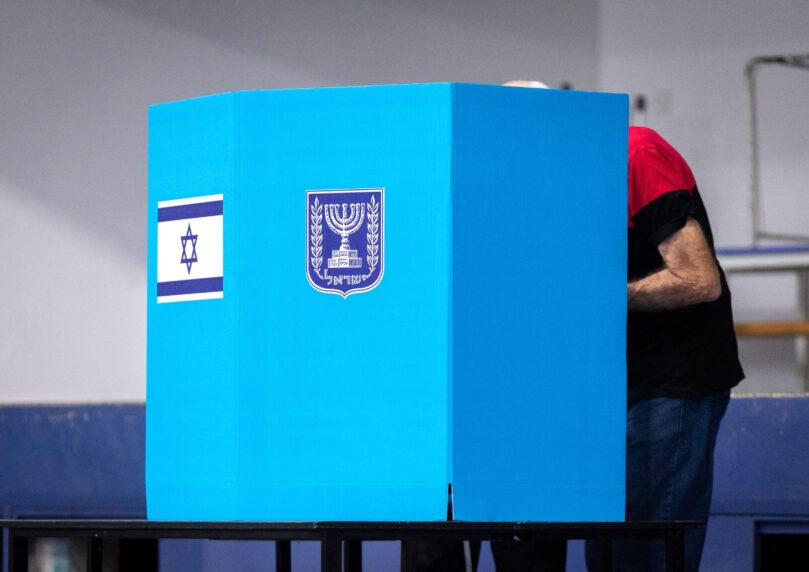

The Central Elections Committee released an updated batch of returns for the 26th Knesset elections on Wednesday evening, processing 11,542 of 12,018 regular polling stations nationwide. The updated pool includes 5,047,241 valid votes, representing roughly 96% of standard polling places across Israel, while 476 additional regular stations undergo final administrative verification before integration. Meanwhile, election authorities have begun handling and sorting external double envelopes, which remain untallied and could reshape the final allocation of parliamentary seats.

 2+
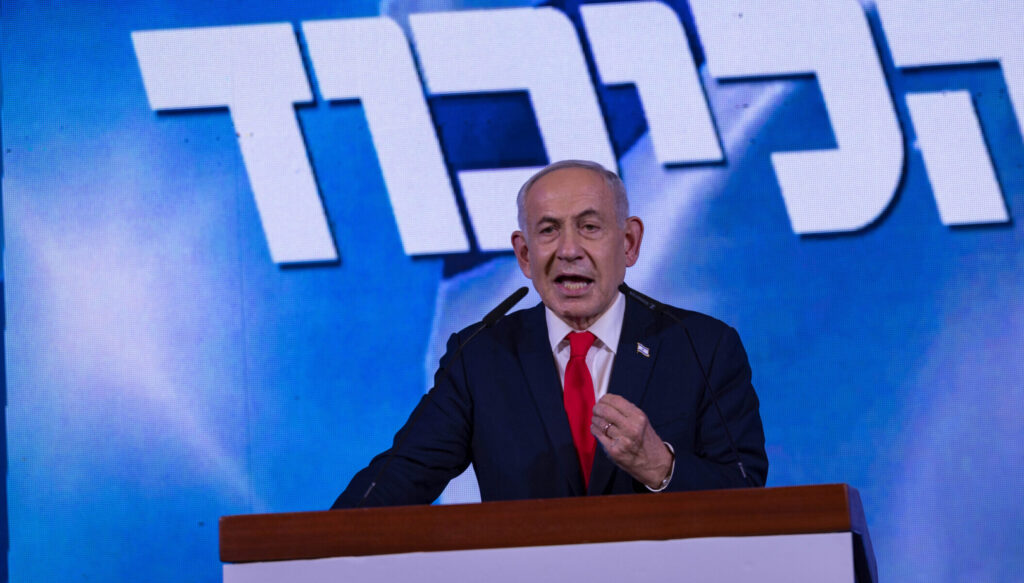
According to the updated parliamentary breakdown, Prime Minister Benjamin Netanyahu’s Likud party reinforced its standing as the largest faction in the Knesset, commanding 26 mandates. In second place, Gadi Eisenkot’s Yashar! slate consolidated its position with 21 seats. Former Prime Minister Naftali Bennett’s BeYachad alliance and the Joint List (Hadash-Ta’al) sit level with 12 mandates apiece.
Yair Golan’s Democrats follow with eight seats. A wide cluster of factions—United Torah Judaism, Shas, Otzma Yehudit, Yisrael Beytenu, and Ra’am—currently stand at seven mandates each. Meanwhile, the joint list of Religious Zionism and Zehut holds six seats. Under this distribution, the incumbent coalition bloc commands 53 mandates, the center-left opposition holds 48, and the two Arab slates account for 19 seats combined. While the national camp maintains a clear lead over the center-left, it sits eight mandates short of the 61-seat parliamentary majority required under Basic Law: The Government.
 2+
Detailed ballot data shows Likud has crossed the million-vote threshold, amassing 1,040,170 valid ballots—20.70% of all regular votes counted. Yashar! follows with 814,385 votes (16.21%). The Joint List ranks third in total raw votes with 461,963 ballots (9.19%), closely trailed by BeYachad at 453,607 ballots (9.03%). Further down the slate, the Democrats secured 327,457 votes (6.52%), Avigdor Liberman’s Yisrael Beytenu garnered 298,575 votes (5.94%), and Mansour Abbas’s Ra’am captured 297,366 votes (5.92%). The Central Elections Committee clarified that while 11,542 regular stations are fully integrated into the central database, the remaining 476 regular stations are undergoing routine validation protocols.
This verification process ensures that precinct protocols, registry log sheets, and digital inputs match without clerical or software discrepancies. Once these audits conclude, small adjustments to party totals could trigger shifts under the statutory Bader-Ofer distribution formula, which assigns surplus mandates based on the highest average votes per seat and pre-arranged surplus agreements.
 2+
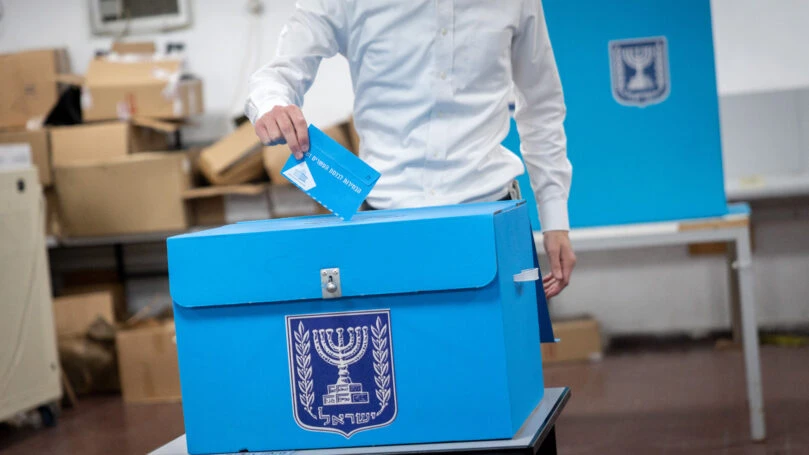
At the same time, logistics teams at the Knesset compound are preparing a massive tranche of external double envelopes, estimated at 430,000 to 480,000 ballots. Comprising active-duty IDF combat forces, border police, medical personnel, overseas diplomatic corps, and prison inmates, these envelopes must be cross-referenced against the master voter registry to confirm that no dual voting occurred before inner ballots are unsealed and manually counted. Election authorities underscored that all current percentages reflect solely regular polling sites. The final stages of ballot processing unfold amid expanding criminal inquiries into suspected election bribery and integrity violations in Arab communities. During polling on Tuesday, police arrested three Negev residents after searches yielded envelopes stuffed with tens of thousands of shekels in cash alongside marked voting slips for the Ra’am party.
Furthermore, following complaints lodged with the Israel Police and the Shin Bet, investigators are probing suspicions that illicit funds originating from hostile foreign states were funneled to finance voter mobilization efforts. Likud has submitted hundreds of testimonies alleging voter fraud, coercion, and double voting in Arab sector precincts, demanding that enforcement authorities conduct a thorough investigation to protect the integrity of the democratic process.