


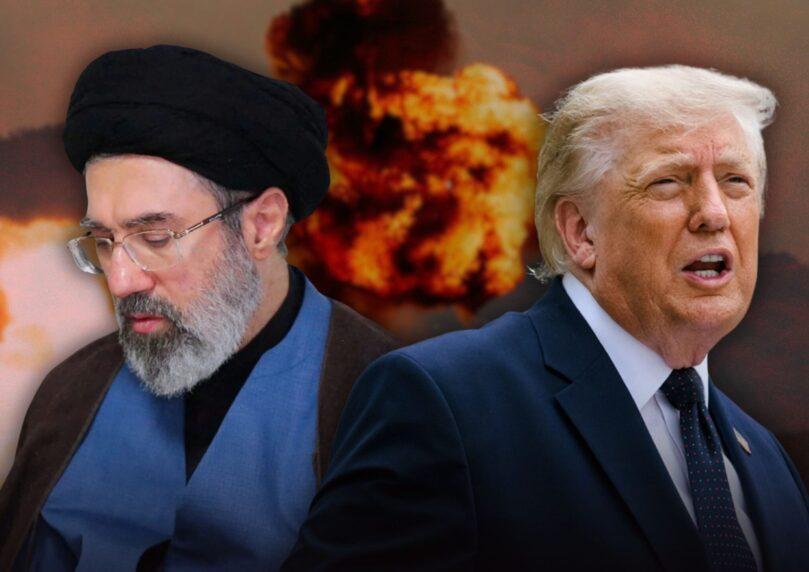

The Iranian regime is actively preparing to counter an anticipated American military strike by entrenching itself in a protracted strategy of attrition, rejecting any operational framework that would allow U.S. President Donald Trump to achieve a swift victory. Strategic assessments indicate that Tehran’s current posture is designed to absorb the initial weight of American firepower, endure sustained economic and operational pressure, and retaliate continuously until Washington is forced to confront an open-ended engagement.
While current operational directives within Tehran focus on preparing conventional capabilities for a direct exchange, Iranian command networks retain the option to activate their regional proxy apparatus to strike American and allied targets across secondary theaters. The limitations of recent diplomatic maneuvers to defuse regional friction were laid bare this week during multilateral meetings between Iranian officials and delegations from Saudi Arabia, Pakistan, and Turkey. According to informed diplomatic sources, the talks made no meaningful progress.


Foreign representatives were directed to low-level interlocutors rather than senior security leadership.
The chief commander of the Islamic Revolutionary Guard Corps (IRGC), the paramount authority overseeing Iranian ballistic missile forces, regional operations, and internal security, was conspicuously absent from the discussions
.His absence reinforced regional assessments that Iranian security chiefs view diplomatic engagement as largely peripheral to their operational preparations.
Across the Persian Gulf, regional governments and foreign missions are adjusting to the reality of imminent confrontation.“Everyone here is on maximum alert and preparing for November 4, the day following the midterm elections in the United States,” an official source in the United Arab Emirates reported. “Among foreign ambassadors, there is an intensifying sense that sharp military escalation is extraordinarily close, and several missions are already actively weighing emergency staff evacuation contingencies.” With Washington’s political focus consumed by the November 3 congressional elections, regional defense establishments view the immediate post-election window as the critical juncture where strategic deliberations between the United States and Israel will shift from deterrence signaling to active military execution.