


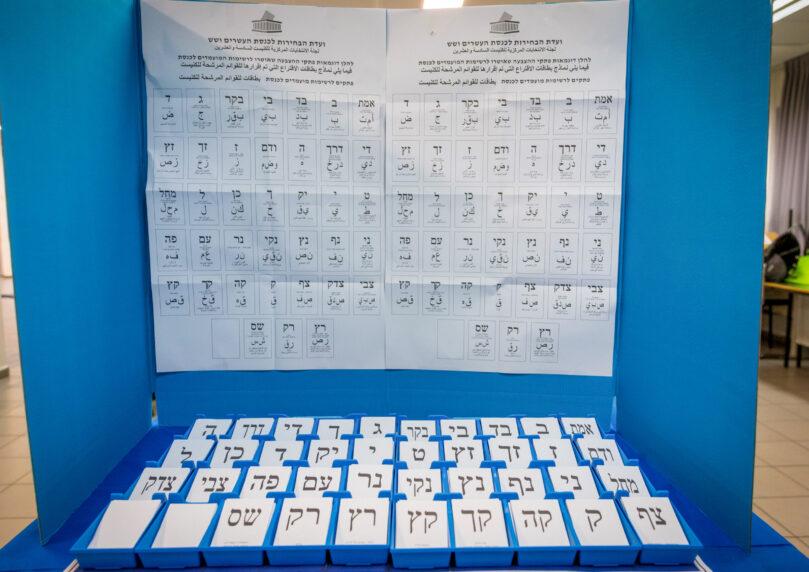

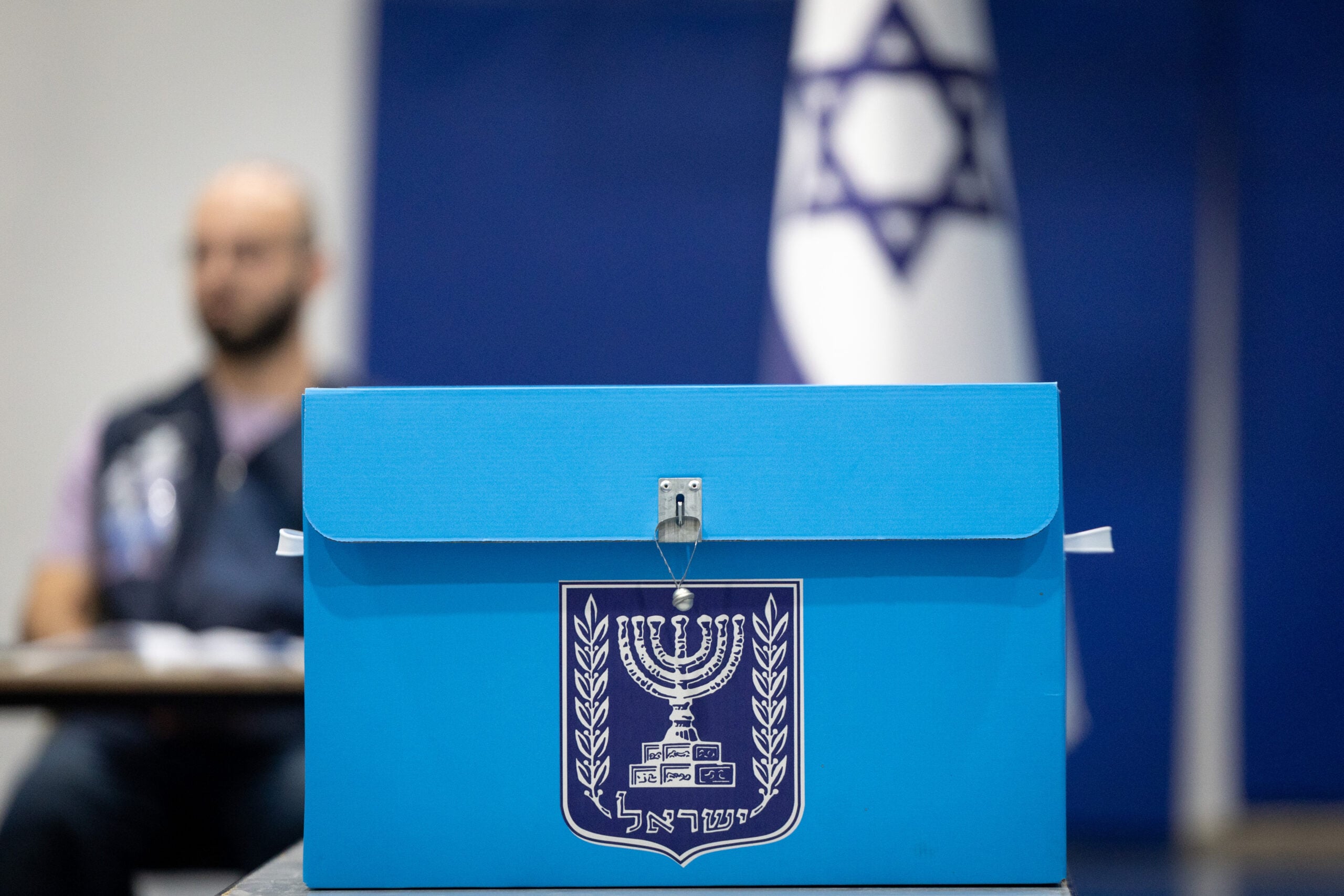
While election night coverage traditionally focuses on macro-level bloc shifts and party mandate thresholds, granular polling-station data from the 26th Knesset elections reveals striking voting anomalies, with stray ballots surfacing in communities firmly aligned with opposing political philosophies. From the southern kibbutzim to Judea and Samaria towns, and from Arab municipalities to ultra-Orthodox strongholds, official returns demonstrate that even in the most politically monolithic localities, individual voters broke decisively with their surrounding consensus behind the cardboard ballot screen.

 2+
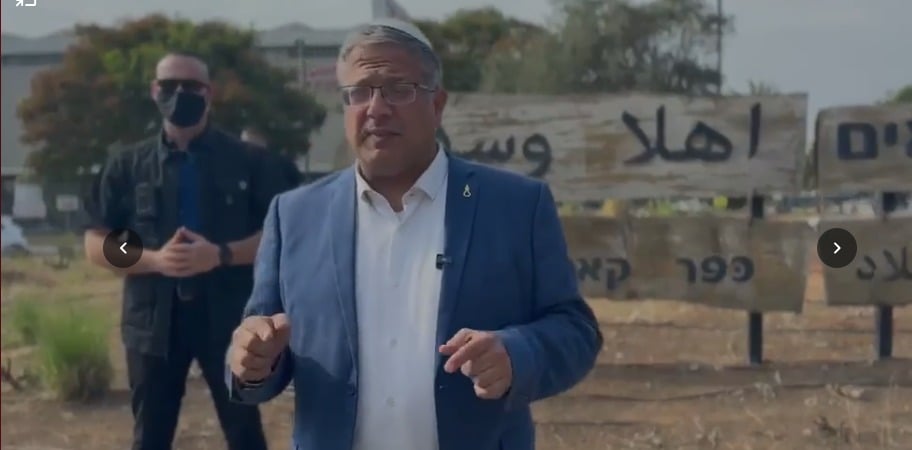
In Kibbutz Be’eri, an emblem of resilience deeply identified with the Zionist left, the overwhelming majority of ballots went to Yair Golan’s Democrats and Gadi Eisenkot’s Yashar!. However, the final station audit also recorded two votes for Itamar Ben Gvir’s Otzma Yehudit, six votes for Bezalel Smotrich’s Religious Zionism, one vote for Ra’am, and one vote for the Joint List (Hadash-Ta’al). Similar patterns emerged across other southern communities: in Kibbutz Nir Oz, the Joint List received one vote, while the HaKahal party—which had officially suspended its campaign before the vote—secured seven ballots to finish third locally. In Nahal Oz, one ballot went to Ra’am, while right-wing slates collected 35 votes in total.
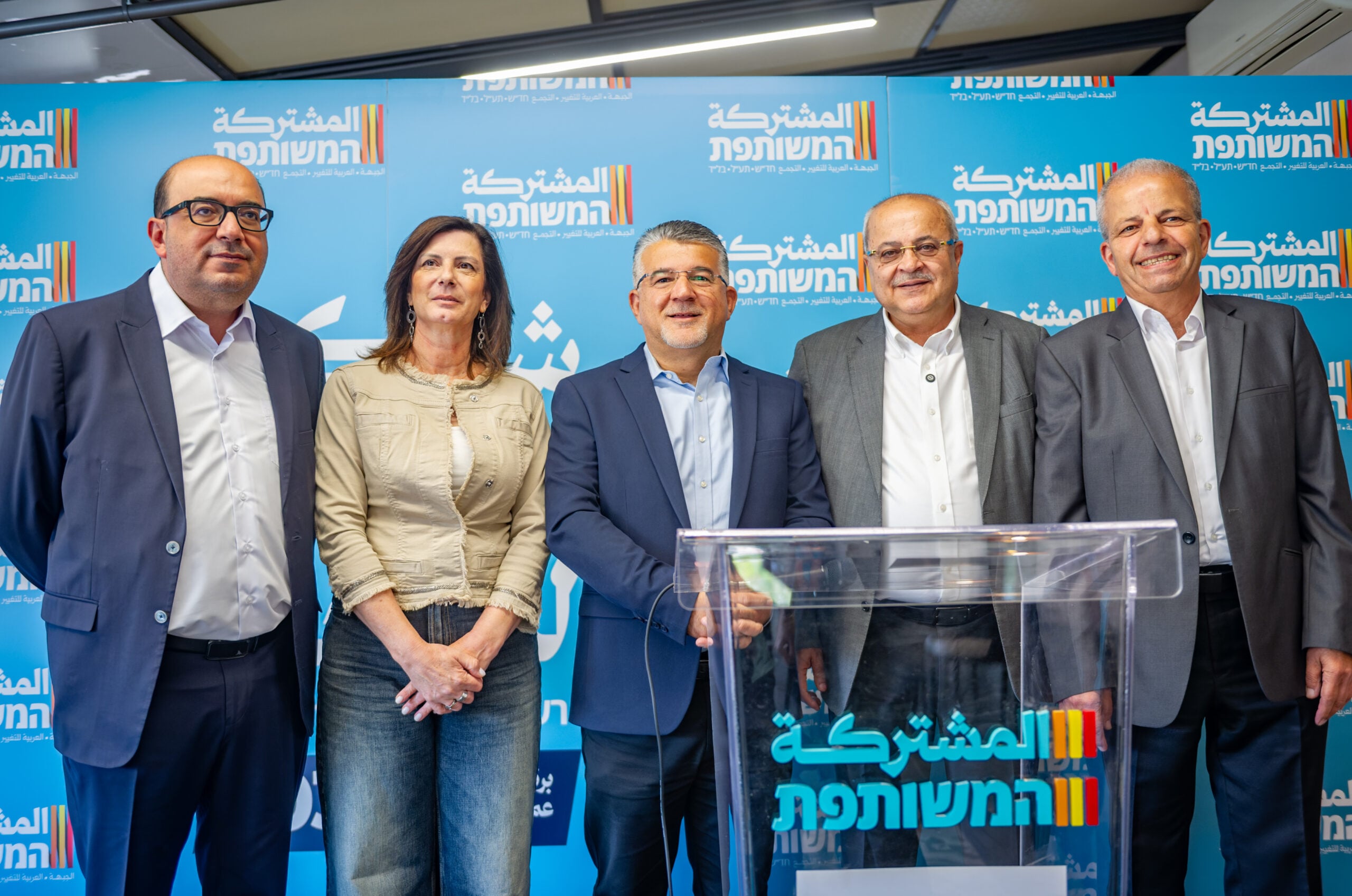
The phenomenon was equally pronounced in Arab localities. In Kafr Qasim, where Mansour Abbas’s Ra’am captured an overwhelming majority, Prime Minister Benjamin Netanyahu’s Likud picked up 12 votes. In comparison, Otzma Yehudit and the Religious Zionism-Zehut slate won two votes apiece. In the Bedouin city of Rahat, where Ra’am dominated the ballot box, the Sephardic ultra-Orthodox Shas party secured 11 votes, Otzma Yehudit garnered seven, and the conservative religious Noam faction received two.
 2+
In Nazareth, where the Joint List swept 73.26% of all cast ballots, 14 voters cast their slips for Otzma Yehudit, with another two supporting Noam. In the northern Golan Druze town of Majdal Shams,
Avigdor Liberman’s Yisrael Beytenu registered a commanding local victory with 35% of all valid votes,
alongside five ballots for Ra’am and four for Otzma Yehudit. Further west along the border in Kiryat Shmona, where Likud secured roughly half of all ballots cast, Ra’am captured an unexpected total of 43 votes.Conversely, communities situated across Judea and Samaria also recorded non-traditional choices. In Ofra, where the Religious Zionism list swept the vast majority of ballots, one resident voted for the Joint List and two chose The Democrats. In Beit El, two ballots went to the Joint List and one to Ra’am. Single ballots for Ra’am also surfaced in Shilo, while Neve Daniel registered two votes for the Joint List.
 2+
Even in Yitzhar, widely recognized as a stronghold of religious nationalism, non-traditional votes appeared, with single ballots cast for Naftali Bennett’s BeYachad and the Reservists-Economic slate. In the mixed community of Efrat, where right-wing factions led overall, the Democrats garnered 46 votes, while Ra’am recorded two and the Joint List three. In Israel’s Haredi population centers, isolated dissenting voices similarly made their mark. In Modi’in Illit, where United Torah Judaism (UTJ) secured a crushing 76.55% of the local electorate, three citizens voted for Ra’am, while several dozen selected various center-left slates. In Bnei Brak, official returns documented nine votes for Ra’am, 13 for the Joint List, and 178 ballots for The Democrats.
Whether driven by logistical presence—such as on-duty security guards, external contractors, and temporary municipal workers—or by conscious acts of personal political dissent, these isolated ballots highlight the diverse, unpredictable choices made by individual Israeli citizens across every demographic sector.