


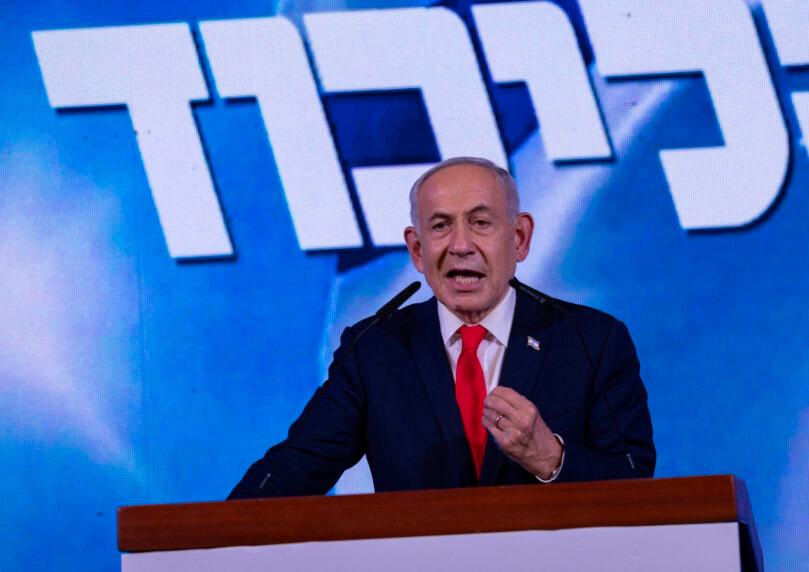

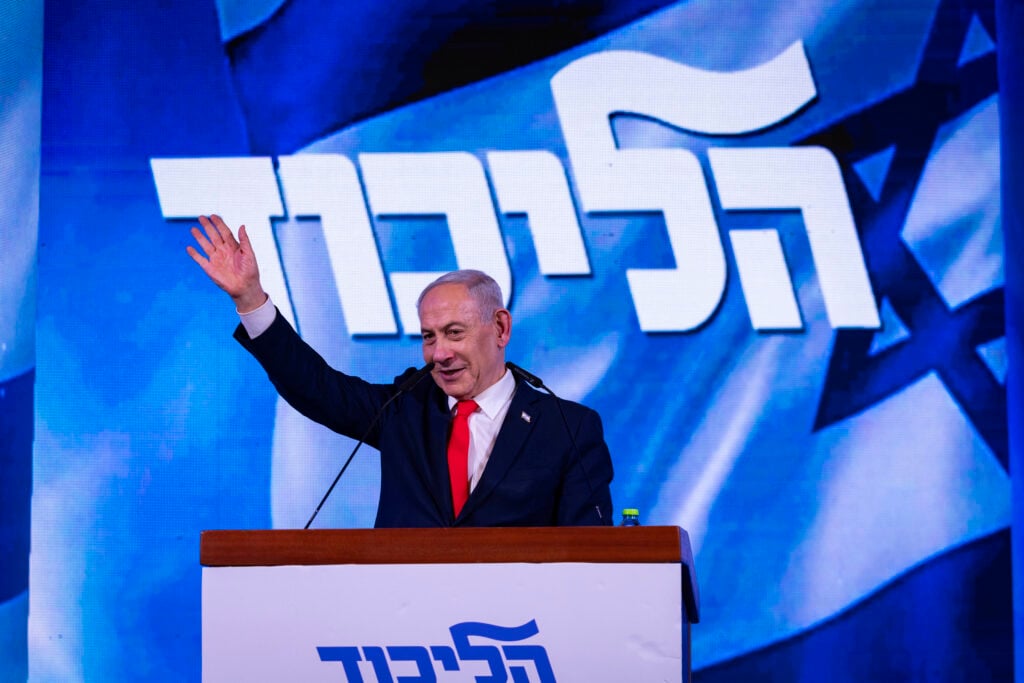
Prime Minister Benjamin Netanyahu clarified in closed-door political discussions on Wednesday evening that he will not forfeit or displace any member of his current governing coalition to accommodate outside factions entering the 38th Government of Israel.
The statements arrive amid intense post-election maneuvering following the vote for the 26th Knesset.
Verified national counts currently place the right-wing coalition bloc at 53 mandates—eight seats short of the 61-seat parliamentary majority required to govern—with hundreds of thousands of external double envelopes yet to be added to the official tally.

 4+
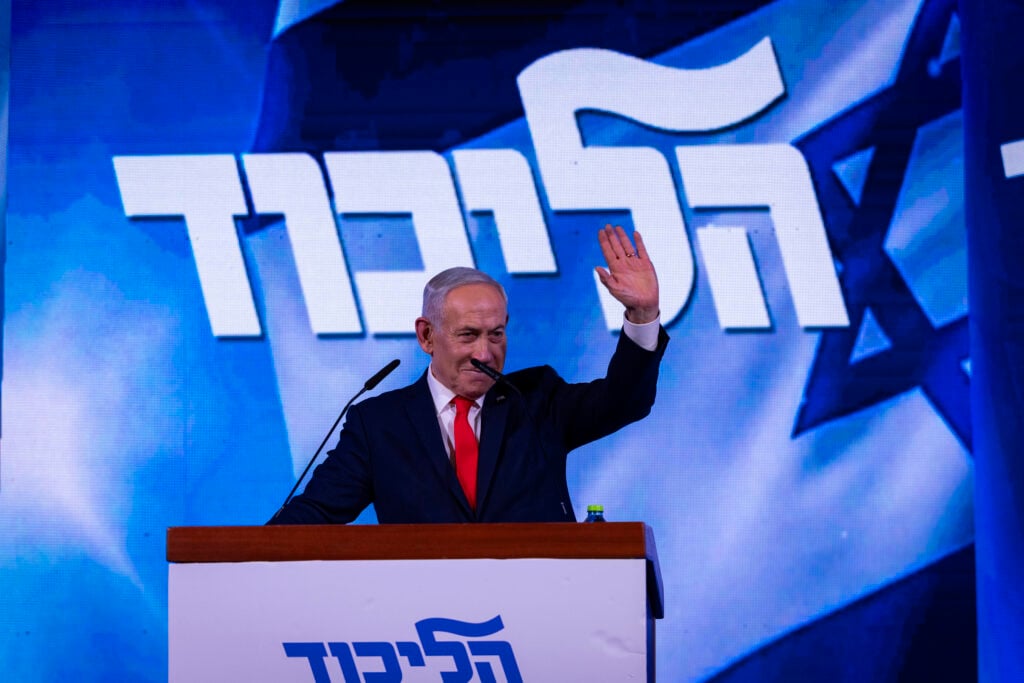
Despite the challenging parliamentary arithmetic, Netanyahu issued an unambiguous operational directive on coalition building: existing partners will not be replaced by outside lists, even if bringing in new political forces proves necessary to form a governing majority.
The direct political meaning is that Netanyahu rejects any governing formula that relies on pushing out religious, traditional, or national-camp factions to make room for center-left parties.
If broad expansion is needed to cross the 61-seat threshold, Netanyahu’s stated framework says entry can occur only alongside the existing coalition structure, never in place of it.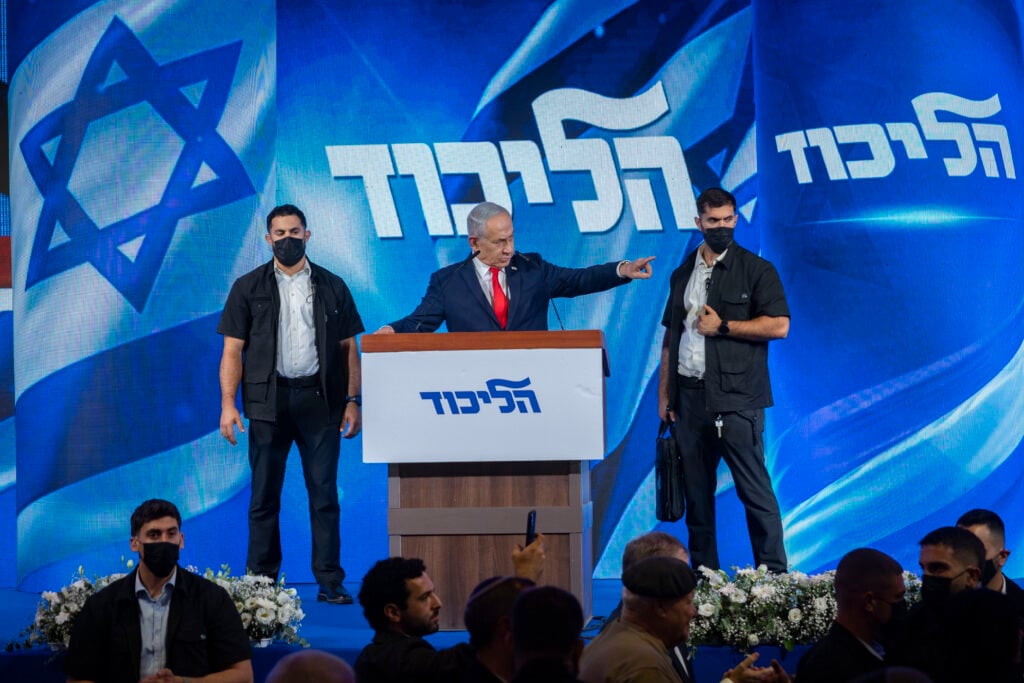 4+
The position carries significant weight against the backdrop of post-election commentary and persistent reports suggesting that prospective partners—such as Gadi Eisenkot’s Yashar!
or elements of the opposition—would demand the exclusion of Otzma Yehudit and Itamar Ben Gvir as a non-negotiable precondition for entering a national unity administration.
According to verified returns released on Wednesday afternoon following the tally of 93% of standard polling stations nationwide, Likud leads the field with 26 mandates, followed by Yashar with 21. Naftali Bennett’s BeYachad and the Joint List (Hadash-Ta’al) hold 12 seats each, while Yair Golan’s Democrats stand at eight.
 4+
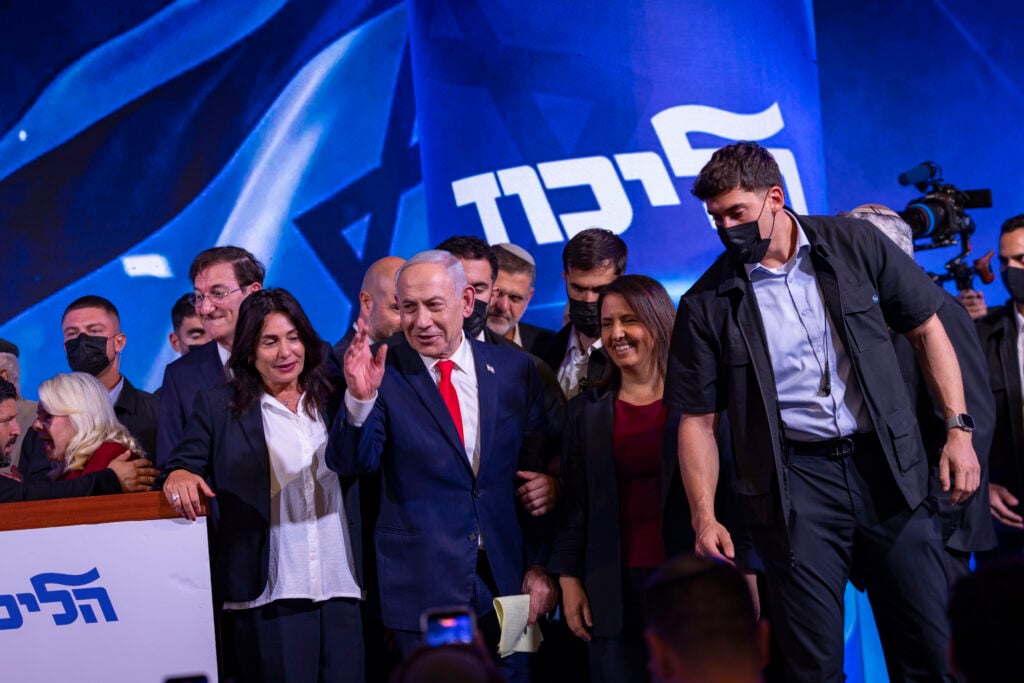
The parliamentary roster continues with United Torah Judaism, Shas, Otzma Yehudit, Yisrael Beytenu, and Ra’am each securing seven seats, and the joint list of Religious Zionism-Zehut holding six mandates.
Under this verified distribution, the right-wing coalition commands 53 seats, the center-left opposition holds 48, and the two Arab slates account for a combined 19 mandates—down three seats for the national bloc compared to earlier interim updates.
Meanwhile, factions below the 3.25% electoral threshold remain locked out of parliament. The Reservists and Economic slate, headed by Yoaz Hendel and Yaron Zelekha, stands at 2.63% of valid ballots, while Ofer Winter’s Amcha Yisrael garnered 1.6%.
Neither slate appears positioned to clear the threshold, leaving tens of thousands of right-leaning votes unrepresented.
 4+
Crucially, the election outcome has not reached its final legal baseline. An estimated 430,000 to 480,
000 double envelopes remain to be verified and counted by the Central Elections Committee at the Knesset.
Comprising active-duty IDF soldiers, border police, internal security forces, medical personnel, and hospitalized citizens, these external ballots carry the mathematical potential to shift final seat assignments under the Bader-Ofer distribution formula.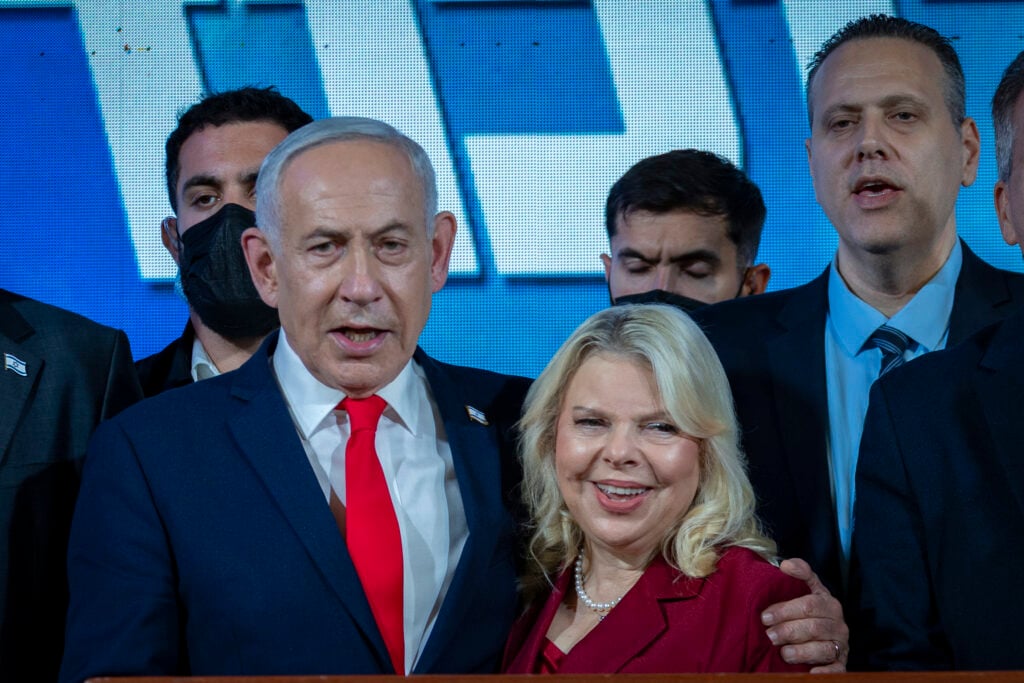 4+
Until counting operations conclude on Thursday, the central question governing the transition of power remains whether the double envelopes will expand the national bloc or whether Netanyahu will be forced to draw external factions into his established coalition structure.