


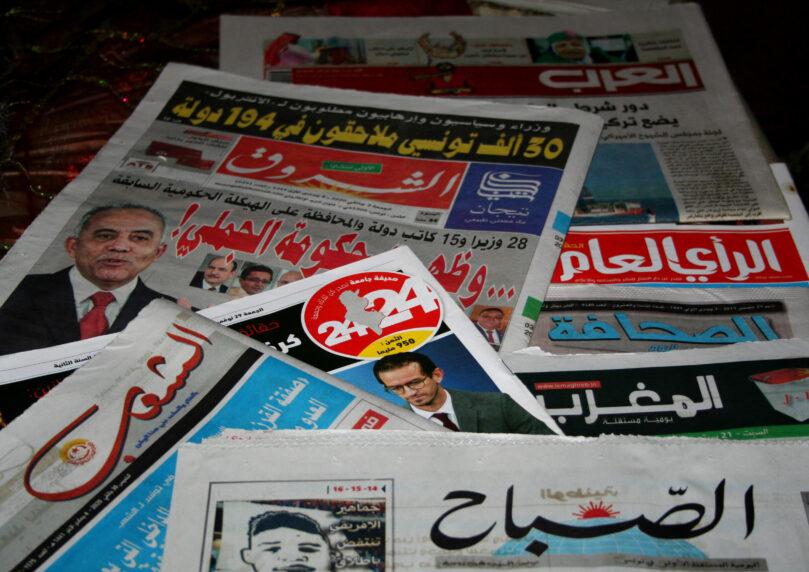

Major media outlets across the Arab world provided sweeping coverage on Wednesday of the updated results in Israel’s 26th Knesset elections, prominently highlighting the electoral performance of Arab parties—specifically the Joint List (Hadash-Ta’al) and Ra’am—and the challenges facing Prime Minister Benjamin Netanyahu in securing a 61-seat majority. Coverage across Egypt, Jordan, Lebanon, and the Gulf focused on elevated voter turnout in Arab localities, presenting the community’s participation as the main factor frustrating an outright right-wing victory.


 1+
Egyptian newspaper Ad-Dustour reported that surging Arab voter participation stripped Netanyahu of the legislative majority needed to ensure swift governance, saying Arab citizens turned out in massive numbers driven by a determination to unseat the right-wing coalition. The paper featured statements from Joint List Chairman Yousef Jabareen, who said Arab citizens have established themselves as an undeniable political force. Meanwhile, Egypt’s Al-Watan ran banner headlines emphasizing record Arab mobilization, citing turnout rates above 80% in select localities.
The Qatari state-aligned network Al Jazeera described the election landscape as an unresolved deadlock marked by a “prominent and historic rise” in the Arab sector’s parliamentary standing. Broadcast panels consistently elevated the Arab voting bloc as the race’s structural arbiter, a theme amplified by Jordanian political commentator Oraib Al-Rantawi, who argued that the Arab electorate had emerged as the decisive element capable of derailing the incumbent government. Regional television channels echoed similar sentiments, with Al-Araby headlining that the Arab vote had successfully prevented Netanyahu from achieving a decisive electoral breakthrough.
 1+
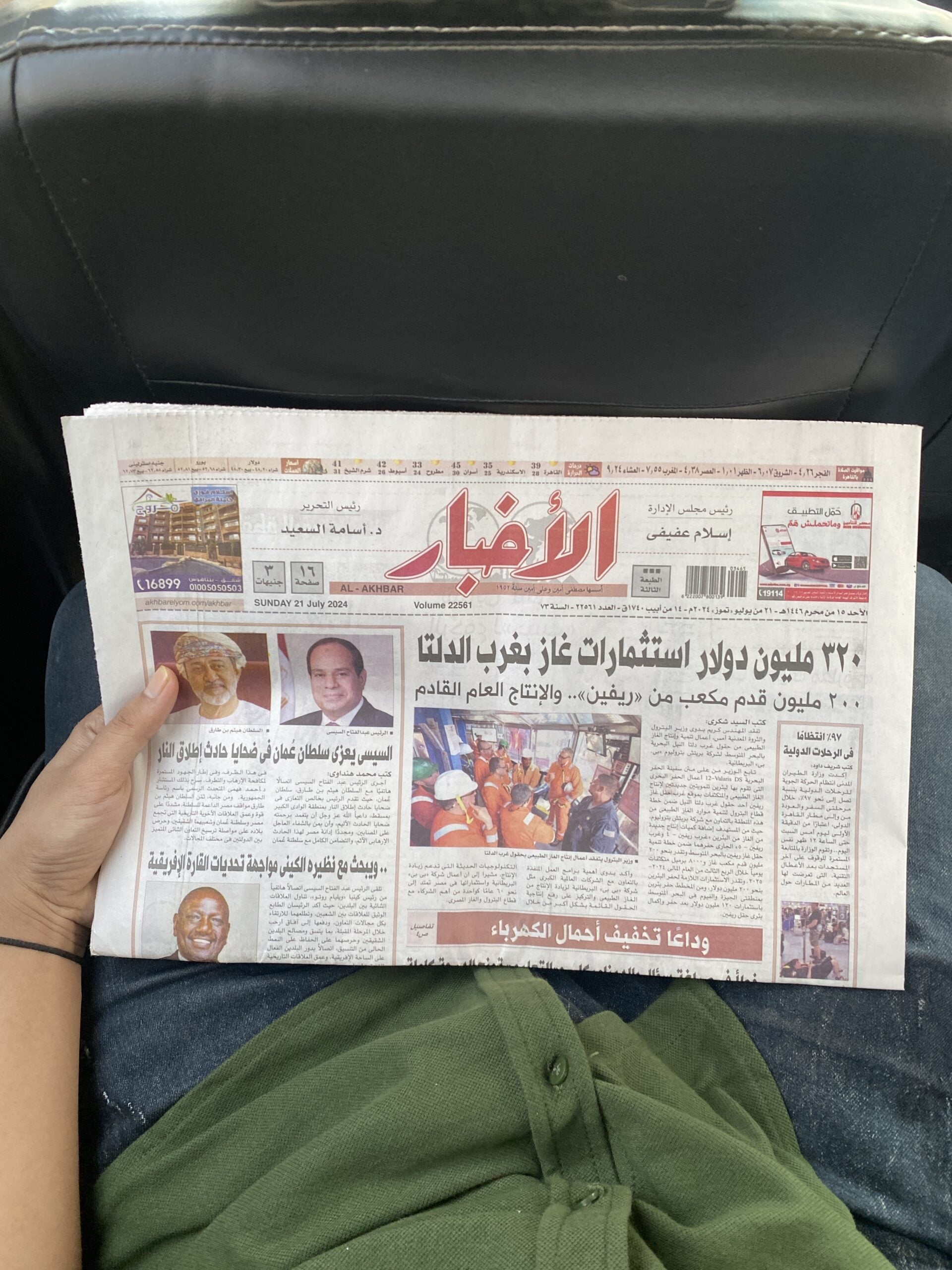
In Lebanon, coverage mirrored regional political alignments. Al-Manar, the television mouthpiece of the Hezbollah terror organization, closely monitored the partial tallies, broadcasting graphics titled “Preliminary results for the Knesset: 54 seats for Netanyahu’s camp, 49 for his opponents,” and framing the outcome as an entrenched political crisis. Prominent Beirut daily An-Nahar similarly reported that while Netanyahu’s camp maintained a numerical lead, it remained short of a working majority as counts passed 70%. Commentary across the Gulf offered diverging assessments. Saudi-owned international daily Asharq Al-Awsat framed the election as a massive referendum that put the Netanyahu era on trial. In contrast, the United Arab Emirates-based daily Al-Khaleej noted the prime minister’s political resilience, headlining that Netanyahu had survived once again and confounded mainstream electoral forecasts.
According to intermediate data released by the Central Elections Committee on Wednesday afternoon, the Joint List held 9.19% of all valid ballots counted, while Ra’am accounted for 5.84%. With hundreds of thousands of external double-envelope ballots remaining to be processed, final percentages and parliamentary mandates remain subject to further official auditing.