


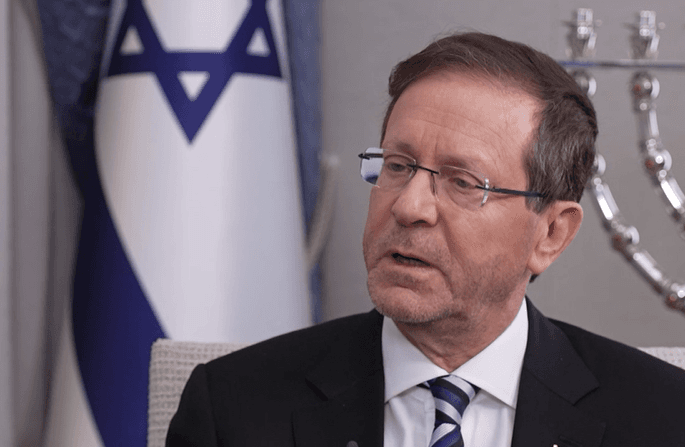

As the distribution of seats for the 26th Knesset continues to take shape ahead of the audit of external double-envelope ballots, details have surfaced about the high-stakes political compromise President Isaac Herzog is preparing to advance from the President’s Residence.
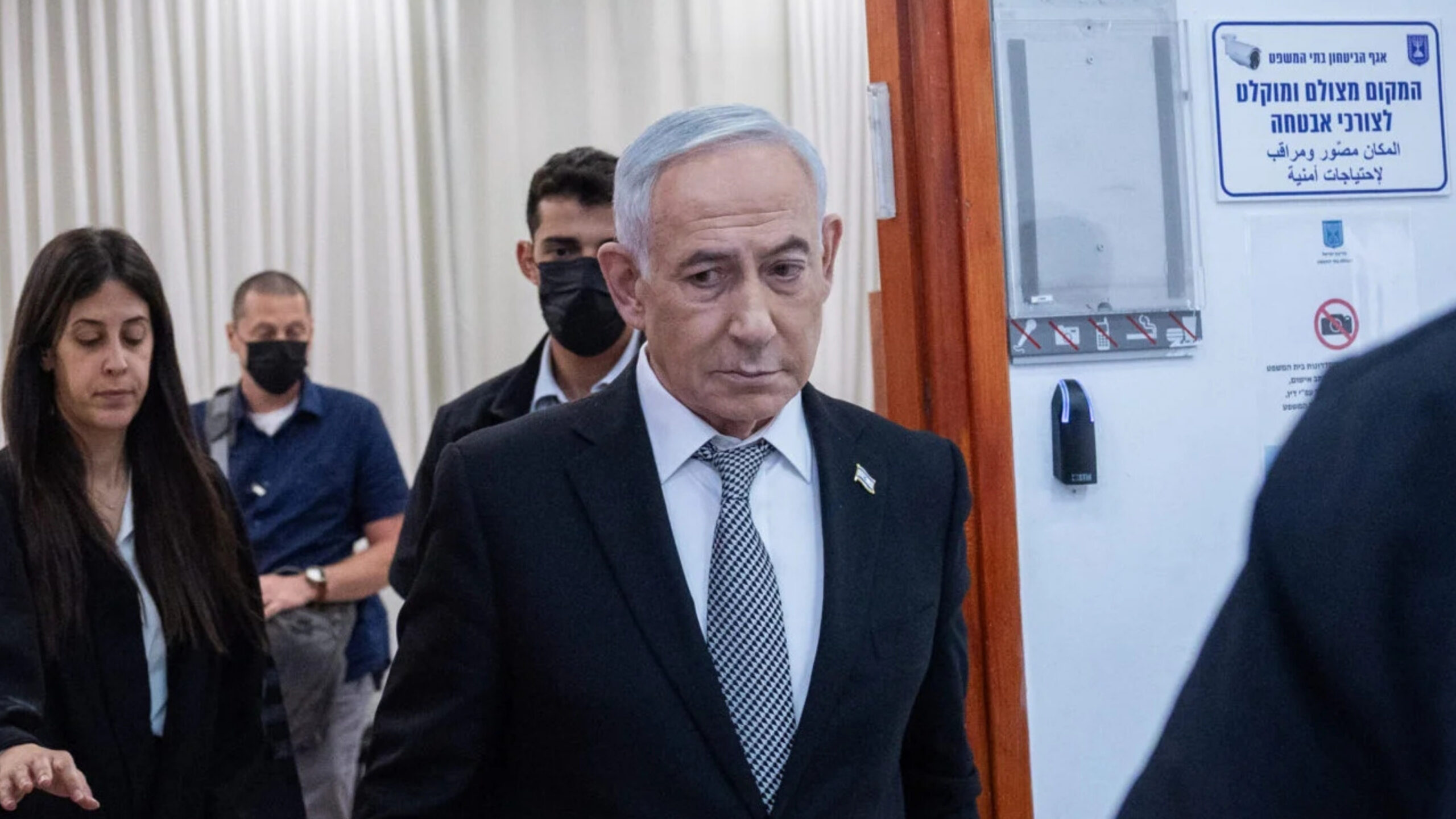
The initiative is an ambitious attempt to bypass systemic coalition paralysis: a rotational government structure under which Prime Minister Benjamin Netanyahu would serve an additional two years, in exchange for an irrevocable commitment to permanently retire from public life, accompanied by a comprehensive presidential pardon. The proposed initiative reflects a strategy that Herzog has quietly explored for roughly two years, well ahead of the election cycle and the initial exit poll tabulations. The effort aligns with the President’s public appeals urging party leaders to approach post-election consultations with an “open mind.”
In past deliberations regarding the prime minister’s legal files and the evidentiary status of bribery allegations, the President stated on record that he would consider a formal pardon request with an “open mind and willing heart.” In practice, political analysts view the posture as a deliberate trajectory toward a single defined outcome: exchanging judicial clemency for complete political exit. Should this formula be implemented, Netanyahu is expected to demand the first tenure in the rotation cycle. A central factor dictating this requirement is the imperative to govern concurrently over the next two years alongside U.S. President Donald Trump, maximizing a strategic alignment that right-wing policymakers view as an irreplaceable historical window.
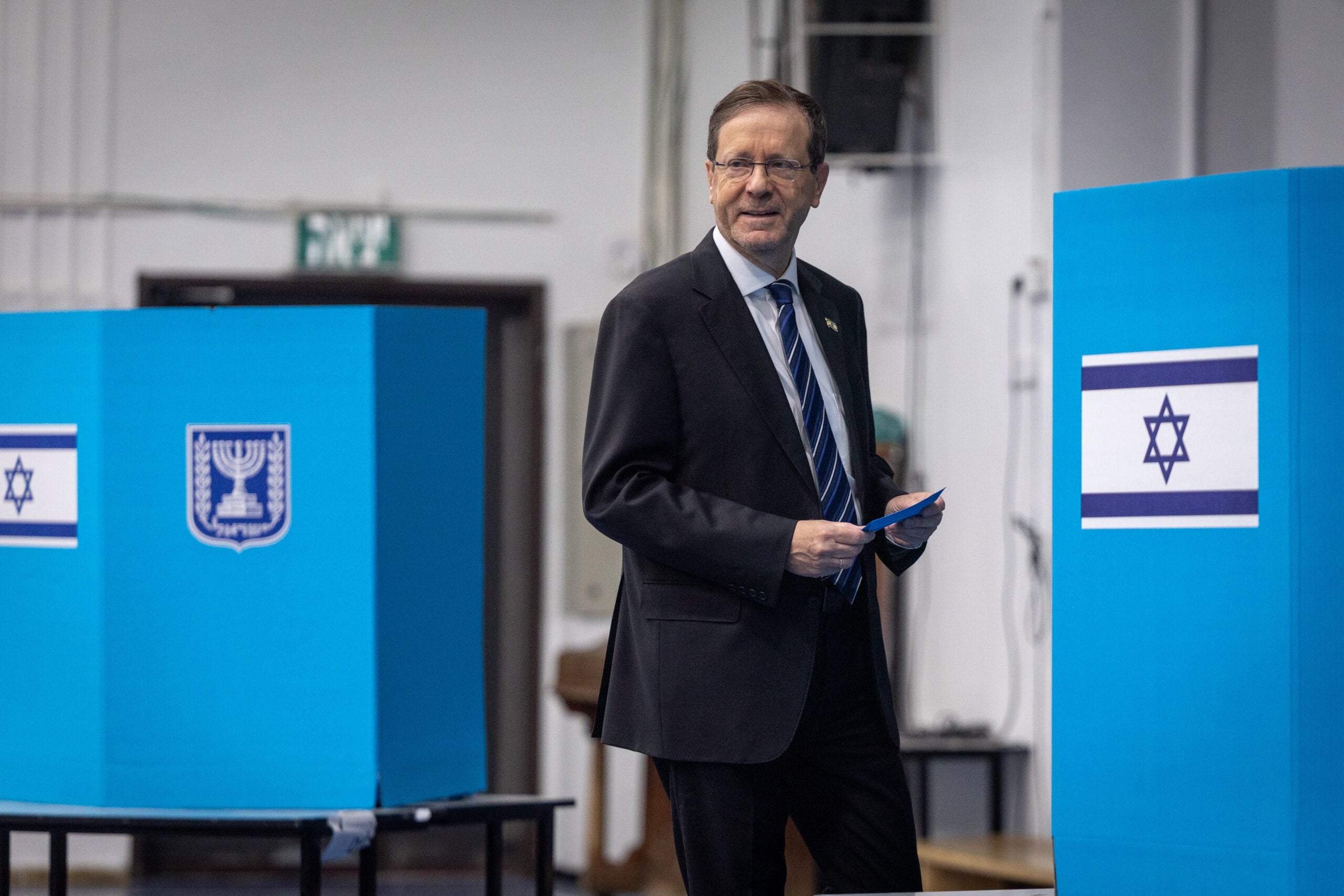
Beyond international considerations, the national camp is intensely focused on neutralizing the acute security fallout of a center-left minority government dependent on the parliamentary backing of non-Zionist and anti-Zionist Arab parties. Strategic planners have warned that such an administration would paralyze active operational momentum, effectively reversing critical wartime achievements and forcing operational
effectively reversing critical wartime achievements and forcing operational withdrawals from positions in Gaza,
Lebanon, Syria, and the broader regional front against Iran.
Parallel to the President’s rotation concept, several competing paths remain open, their viability hinging on the Central Elections Committee’s ongoing processing of double envelopes. If the finalized tallies shift marginal seats toward the national camp, Netanyahu’s primary avenue will be mobilizing individual defectors from the center-left bloc. Political operatives anticipate that figures such as Sharon Sharabi, Shira Shapira, and Elyasaf Peretz will refuse to normalize an executive framework reliant on Hadash-Ta’al or Ra’am. Barring an outright majority or successful defection effort, the remaining constitutional alternatives narrow to a minority coalition resting on outside Arab support or a direct descent into another cycle of national elections.