



Republicans in Israel Chairman Adv.
Marc Zell said Wednesday that the outcome of the upcoming U.S. midterm elections will open a strategic window of roughly two months for U.S. President Donald Trump and Prime Minister Benjamin Netanyahu to focus decisively on countering the Iranian regime.

 4+
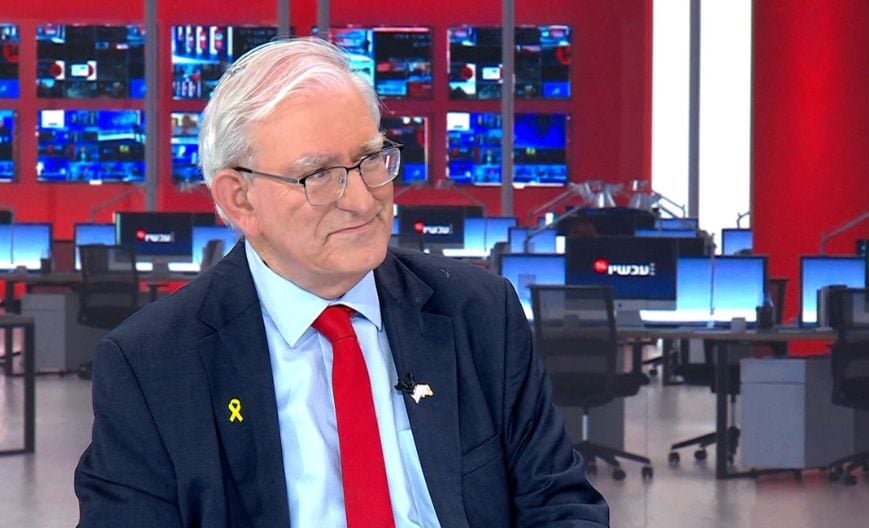
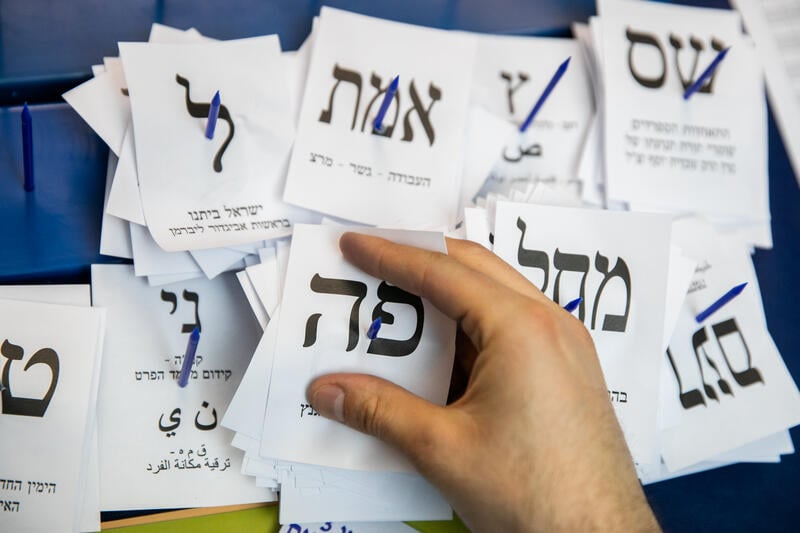
In an interview with Ido Tauber on Channel 14, Zell arrived on set after an all-night vigil tracking the ballot counts for the 26th Knesset elections. He emphasized that the international political calendar faces another major milestone in less than a week, as American voters head to the polls on November 3 for congressional midterm elections.
Discussing his own political involvement, Zell confirmed his active backing of the Prime Minister: “I supported Netanyahu, voted for him, and worked on his behalf within my circle, especially following President Trump’s unqualified endorsement of him.”
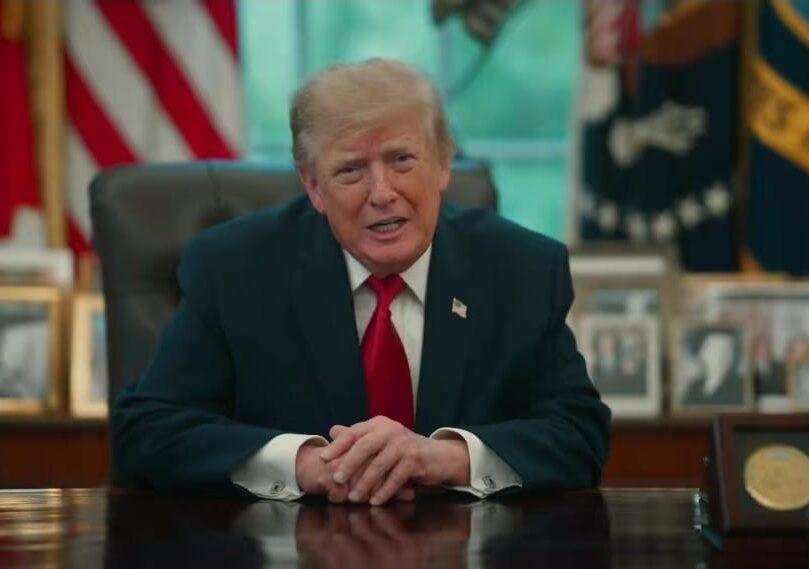
Addressing Trump’s subsequent Truth Social statement claiming credit for shifting the momentum of the Israeli race, Zell noted with a smile that the U.S. president’s reaction was “unsurprising and very interesting.” Turning to American domestic politics, Zell explained that Trump remains consumed by the battle for Capitol Hill.
The Republican Party currently maintains majorities in both chambers of Congress, with Democrats targeting gains of four seats in each house to flip control.
While current projections suggest Democrats hold an advantage in the House of Representatives, the race for the U.S. Senate remains closely contested.
 4+
“Trump is busy traveling to every corner and every coast, from Alaska to Maine to Florida,” Zell said. “It is incredible what he is doing, organizing and appearing at rallies.” Highlighting a recent campaign stop in Texas, where Secretary of State Marco Rubio praised Trump on stage, Zell agreed: “What he has done as a leader in transforming the agenda inside the U.S., abroad, and in our region is extraordinary.”
The Battle for Congress
Zell said the end of the congressional campaign will mark a pivotal turning point for Middle East defense strategy.
“I believe that after the elections in the U.S., he and the Prime Minister will have a period of about two months to complete the work regarding Iran,” Zell stated. Asked directly by Tauber what that entails, Zell responded: “Toppling the regime.”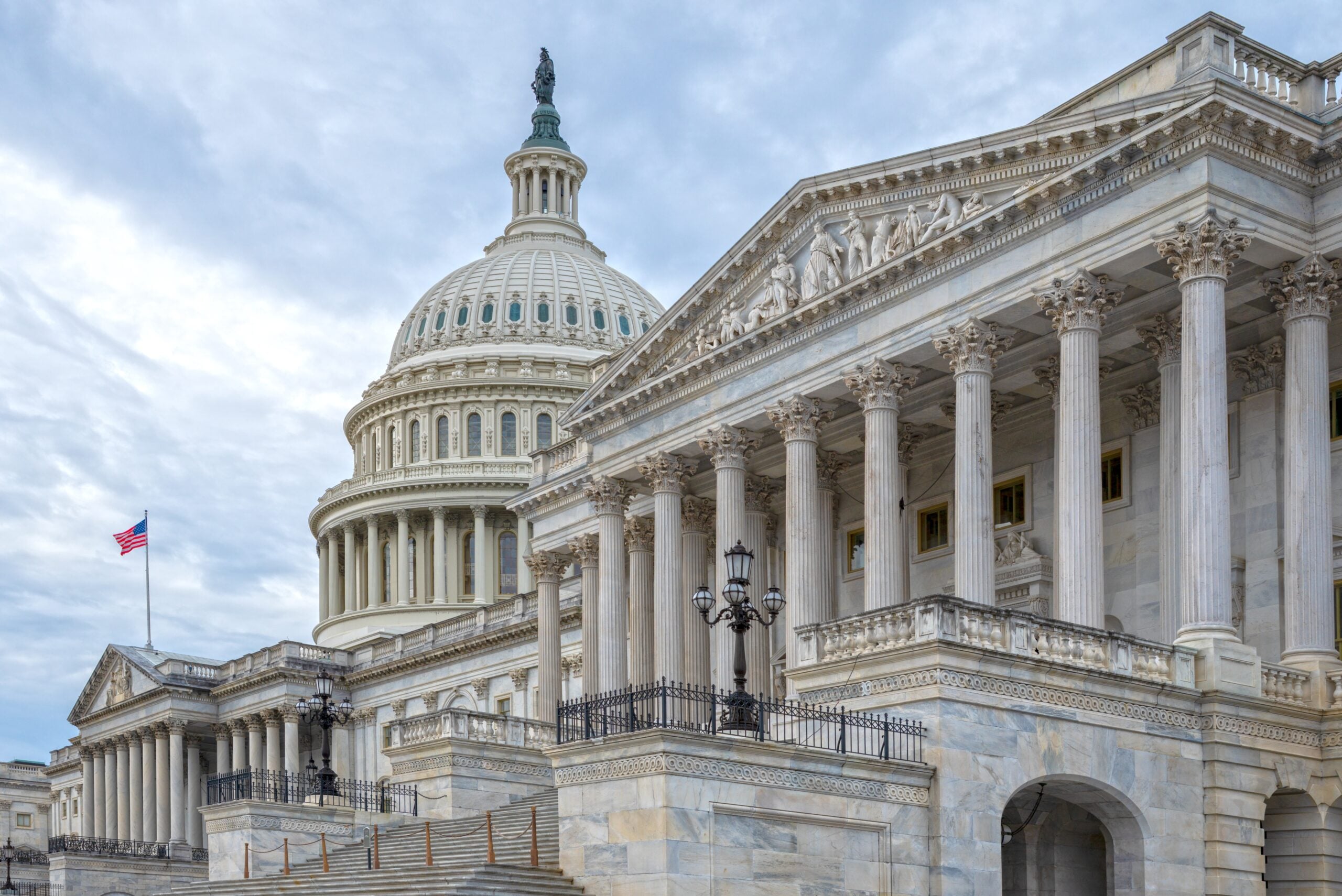 4+
The statement represents Zell’s personal strategic analysis rather than an official policy declaration from the governments in Washington or Jerusalem.
Zell has previously noted that the Trump administration’s core stated security focus has been dismantling Iran’s nuclear development trajectory and curtailing its regional ballistic missile capabilities, distinguishing between his personal advocacy for regime change and formal American policy doctrines.
“I agree with him,” Zell said. “This man is something superhuman. What he’s done as a leader, in changing the agenda inside the United States and beyond and also in our region, is amazing.”
 4+
“Two Months to Complete the Work”
Asked whether Trump might pressure Netanyahu to form a broad national unity government to ensure domestic stability ahead of regional operations, Zell dismissed the prospect of direct American coercion.
“I do not think Donald Trump wants to intervene in elections or coalition formation here in the country, the way Obama, Biden, and the Democrats did,” Zell replied. “He expresses himself clearly and transparently regarding his preferences, but ultimately, forming a coalition here is an internal Israeli matter.”
 4+
The statement represents Zell’s personal strategic analysis rather than an official policy declaration from the governments in Washington or Jerusalem.
Zell has previously noted that the Trump administration’s core stated security focus has been dismantling Iran’s nuclear development trajectory and curtailing its regional ballistic missile capabilities, distinguishing between his personal advocacy for regime change and formal American policy doctrines.
Will Trump Push for a Unity Government?
Asked whether Trump might pressure Netanyahu to form a broad national unity government to ensure domestic stability ahead of regional operations, Zell dismissed the prospect of direct American coercion. “I do not think Donald Trump wants to intervene in elections or coalition formation here in the country, the way Obama, Biden, and the Democrats did,” Zell replied. “He expresses himself clearly and transparently regarding his preferences, but ultimately, forming a coalition here is an internal Israeli matter.” Nevertheless, Zell did not rule out quiet facilitation, concluding: “If he has an opportunity to help the parties reach an agreement—in my eyes, in politics, anything is possible.”