




For two consecutive months, Israeli television viewers were subjected to a relentless and uniform narrative across Channels 11, 12, and 13. Night after night, panel after panel, network broadcasts hammered home a single conclusion: Likud was collapsing, Prime Minister Benjamin Netanyahu’s political career was finished, and the ruling party was bound to a historic low of 18, 19, or 20 seats.


 2+
The sustained broadcasting of depressed numbers was designed to shape public perception, systematically aimed at inducing despair, cultivating complacency, and suppressing voter turnout across the national camp. The psychological calculation was transparent: when voters are repeatedly told that their political home is facing electoral annihilation, motivation to mobilize to the ballot box rapidly erodes.
Even at 22:00 on Tuesday night, as voting concluded, competing networks persisted with the same storyline in their televised exit polls, projecting Likud at an unviable 20 seats. Simultaneously on Channel 14, Direct Polls analyst Shlomo Filber stood completely alone, rejecting the mainstream consensus and presenting data showing a stable, commanding Likud operation. Despite weeks of mockery and dismissal from rival commentators, Filber refused to change his findings.
 2+
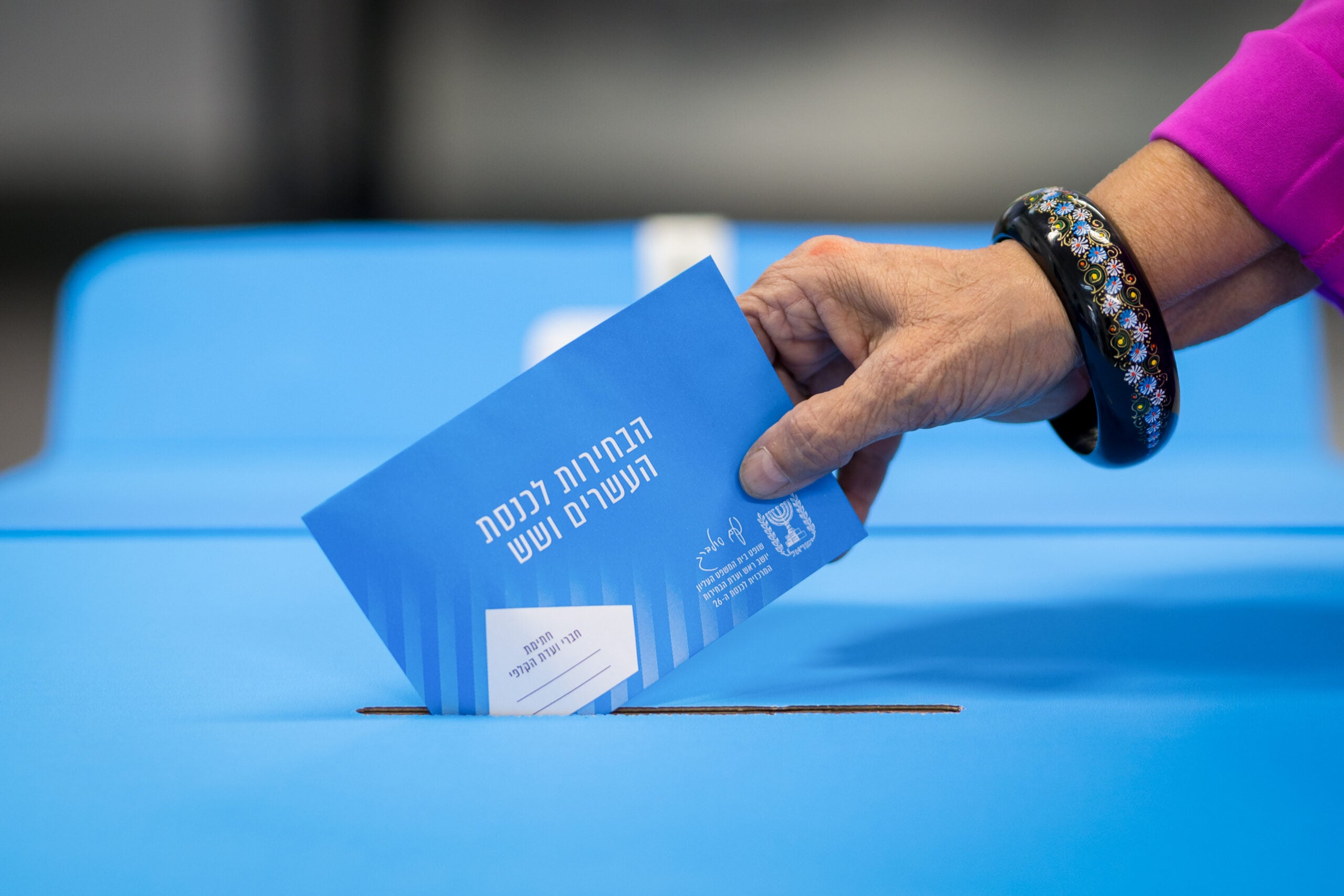
The certified vote tallies that followed dismantled the mainstream media narrative within hours. As the Central Elections Committee verified and registered real paper ballots throughout the night and into Wednesday morning, the rival networks began an awkward, synchronized retreat.
Hour after hour, their graphics crawled inexorably toward the figures Filber had documented: from 20 to 23, up to 25, and toward 27 and 28 mandates. A political movement does not magically expand by seven seats in the middle of the night; those votes existed from the start, overlooked by institutions that chose to dismiss them.
 2+
The fact that multiple polling institutes erred in the same direction and by the same magnitude undermines any claim of simple sampling error, pointing instead to a coordinated political narrative disguised as objective social science.
When the actual count arrived, the public received clear proof of where professional accuracy lay. In standing firm against institutional peer pressure and media consensus, Shlomo Filber and Channel 14 established themselves as the sole reliable broadcast home for factual, unvarnished electoral data.