




National voter turnout for the elections to the 26th Knesset reached an extraordinary 77.7% by 22:00 on Tuesday evening, the Central Elections Committee announced as polling stations officially shuttered across the country. In total, 5,695,682 eligible citizens cast their ballots, marking the highest voter participation rate recorded at poll closing since 1999. The verified turnout represents a sharp increase of 7.1 percentage points over the 70.6% recorded at the identical closing hour during the elections for the 25th Knesset.
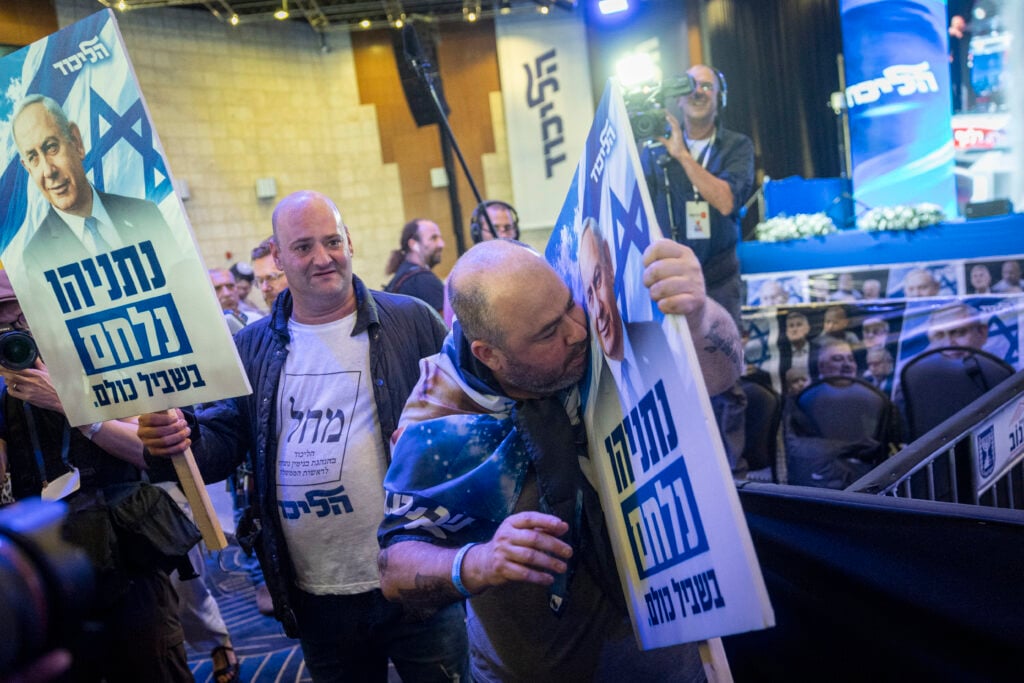
The final figure capped a day of sustained, record-breaking civic engagement. Midday tallies had already signaled an unusual surge, with 44.9% of eligible voters casting ballots compared to 38.9% at the same juncture in the previous election cycle. With voting formally concluded, election operations immediately transitioned to the counting and verification phase. Polling committee members at thousands of voting stations began manually counting paper ballots and entering verified figures into official legal protocols.
The physical voting materials and signed protocols are being transferred under security escort to regional election headquarters, before being transmitted into the Central Elections Committee’s central computerized infrastructure at the Knesset for secondary auditing and control. Meanwhile, ballots submitted via external double envelopes—including votes cast by IDF soldiers on active duty, hospital patients, prisoners, diplomatic staff abroad, and citizens utilizing accessible polling stations—are being secured separately. These envelopes will undergo cross-referencing against primary voter registries to prevent double voting before being processed and tallied over the coming days at the Knesset.
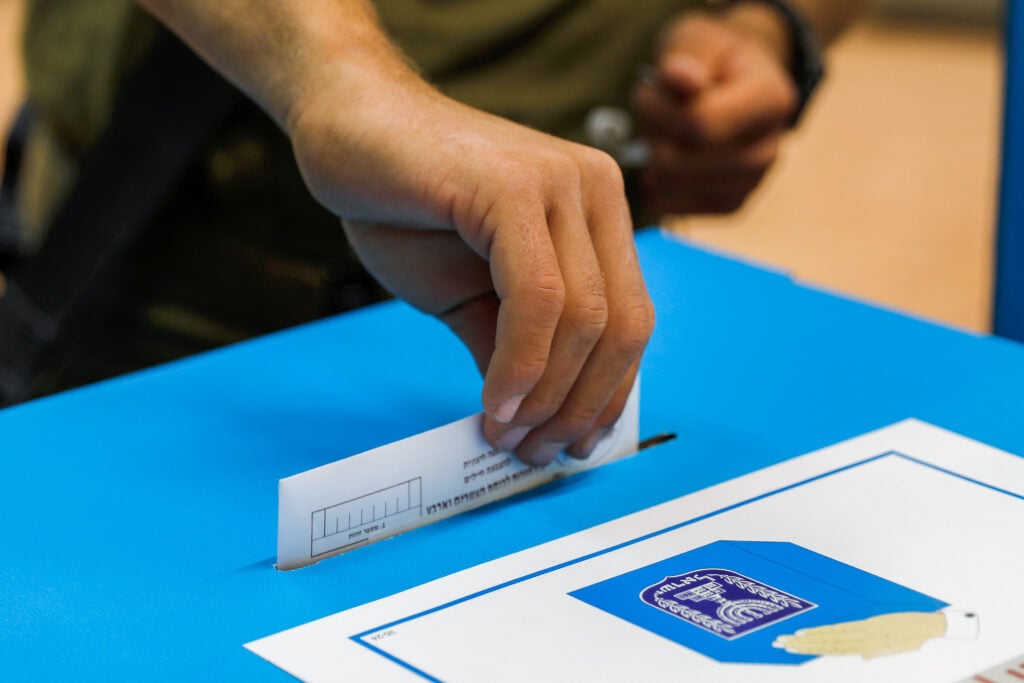
The soaring national participation rate carries severe mathematical implications for parties operating near the statutory 3.25% electoral threshold.
Under Israeli electoral law, the threshold is calculated as a strict proportion of total valid ballots.
As aggregate voter volume expands, the raw number of votes required to enter the Knesset climbs substantially, leaving marginal factions vulnerable to sudden disqualification.Initial television exit poll projections released at 22:00 reflected the high-stakes division between the camps, with the Channel 14 Direct Polls projection showing the right-wing bloc securing 60 seats, the center-left bloc taking 43 seats, and Arab factions capturing 17 seats.
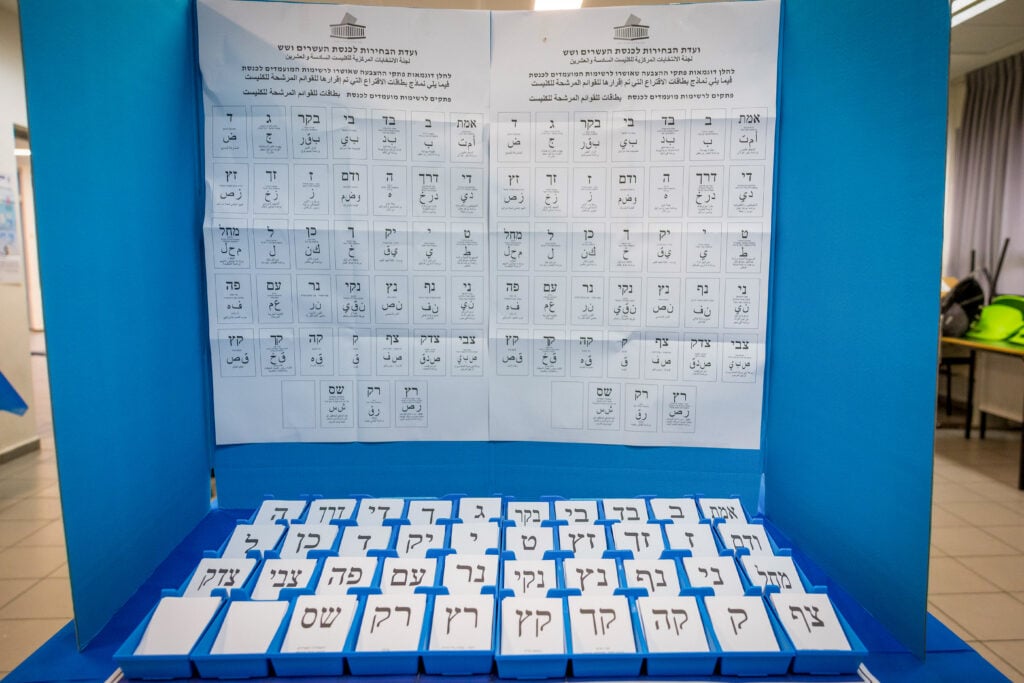
The Central Elections Committee stressed that broadcast exit polls remain non-binding projections. Commending the Israeli public for widespread participation, the committee noted that it will publish verified real-time results progressively throughout the night and in the following days as regional tally sheets undergo rigorous procedural verification.