


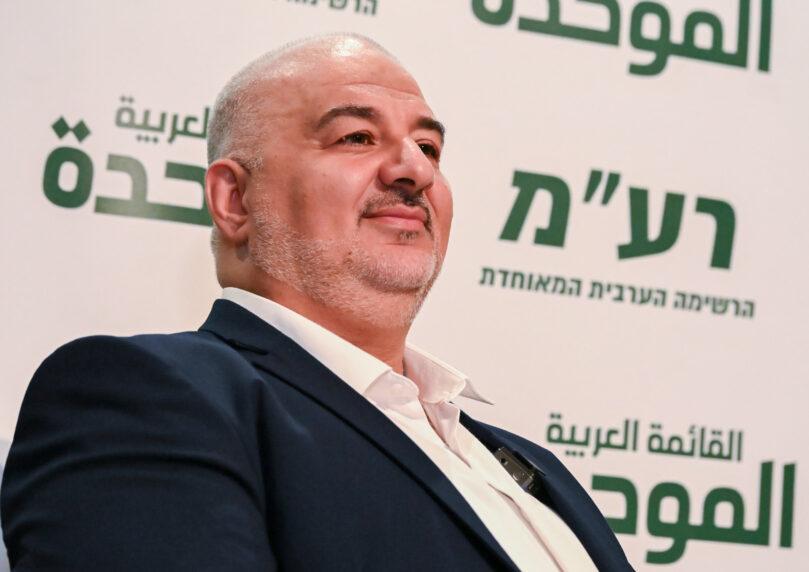

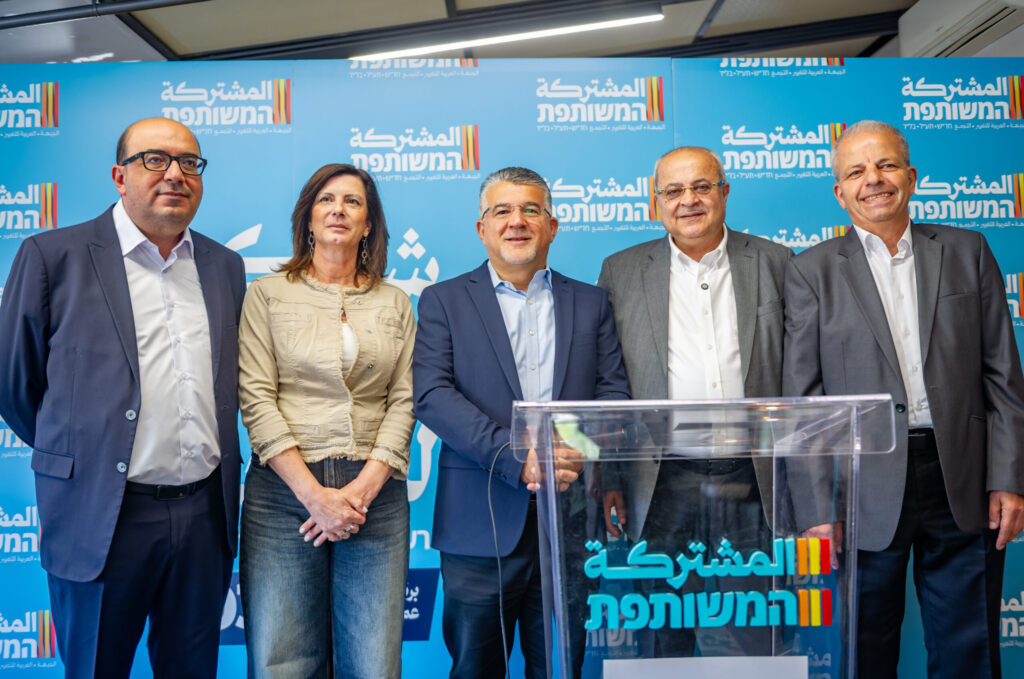
Arab Knesset factions have drafted an extensive list of conditions for their formal entry into—or outside parliamentary support for—any governing coalition following the elections for the 26th Knesset. The demands, which span high-level political appointments, tens of billions of shekels in state funding, and sweeping geopolitical and security concessions, represent their official baseline for any potential political cooperation.


 2+
In executive and legislative appointments, the factions are demanding significant institutional levers. Chief among these is the appointment of Yesh Atid MK Yoav Segalovitz to a ministerial portfolio, alongside the appointment of an Arab faction representative as Deputy Minister in the Prime Minister’s Office. Within the Knesset, the factions are seeking the chairmanships of pivotal parliamentary committees, including the Internal Affairs and Environment Committee, the National Security Committee, and the Committee on Arab Society Affairs, as well as a Deputy Speaker position.
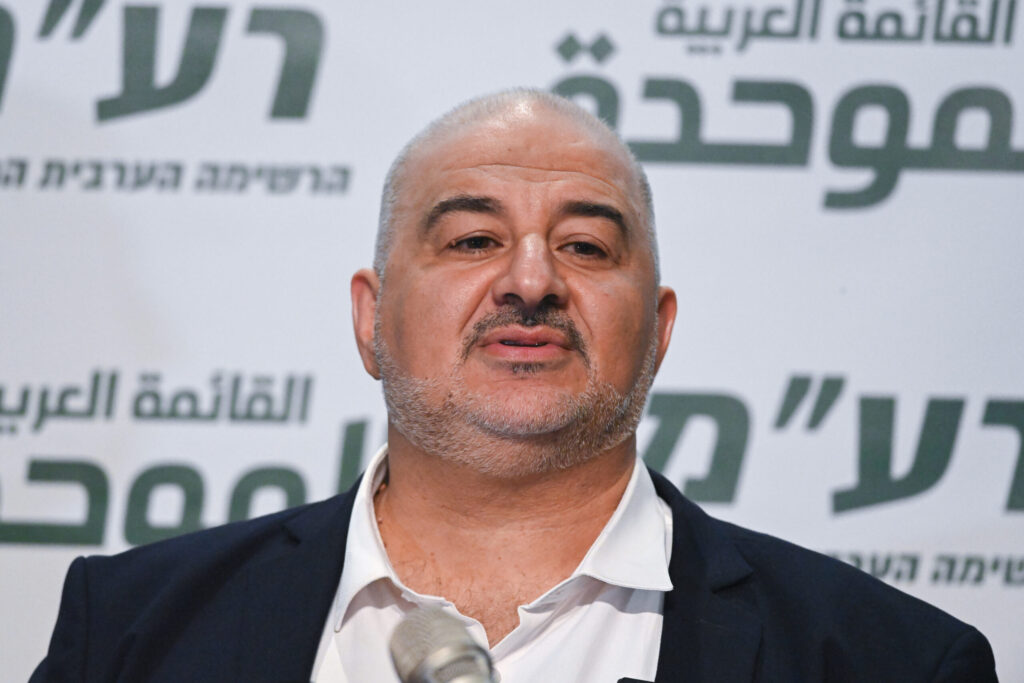
On budgetary and regulatory policy, the demands outline state commitments totaling tens of billions of shekels. The factions insist on approving a comprehensive five-year development plan for the Arab sector, paired with an allocation of approximately NIS 3 billion earmarked specifically to curb violent crime in Arab municipalities. The document also demands roughly NIS 7.5 billion to regularize Bedouin housing in the Negev, along with formal state recognition of multiple unrecognized Bedouin villages, including Abda, Khashim Zanna, and Rakhama.
 2+
A central domestic condition is the immediate freezing and neutralization of the Kamenitz Law, the landmark legislation that significantly expanded administrative enforcement and heightened penalties against illegal building. The factions also demand dedicated budget lines for the Ministry of Regional Cooperation and other government departments where they previously exerted policy influence.
The most contentious elements of the document center on security and foreign affairs. The Arab factions stipulate that any coalition receiving their backing must establish binding timetables for IDF withdrawals from the Gaza Strip, Lebanon, and Syria. Concurrently, the demands require the incoming government to actively bolster the political and diplomatic standing of the ‘Palestinian’ Authority in Ramallah and formally renew negotiations toward a permanent diplomatic settlement.
 2+
Locally, the slate mandates a total halt to construction plans in the strategic E1 corridor connecting Jerusalem and Ma’ale Adumim, the outright demolition of Jewish agricultural and shepherd farm outposts established in Judea and Samaria during the current administration’s tenure, guaranteed unrestricted freedom of movement for ‘Palestinian’ Arabs across Judea and Samaria, and a complete moratorium on the demolition of unpermitted Bedouin structures in the Negev.