



Following the broadcast of the television exit poll projections on Tuesday evening,
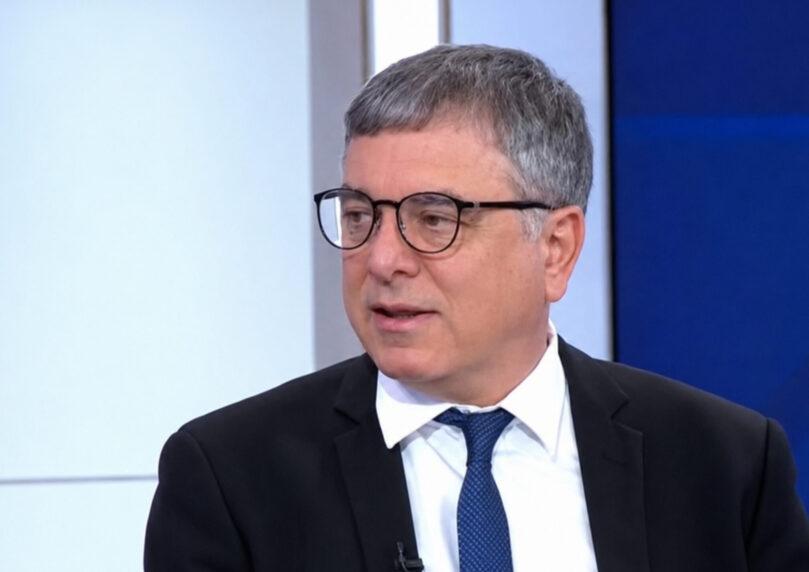
Direct Polls head and Channel 14 analyst Shlomo Filber pointed to the two factions that absorbed the most acute electoral setbacks in the race for the 26th Knesset:
Itamar Ben Gvir’s Otzma Yehudit on the right, and Avigdor Liberman’s Yisrael Beytenu across the aisle. Filber clarified that both political parties paid a heavy tactical price for prioritizing isolated, independent party campaigns over synchronized participation in the broader collective effort of their respective ideological blocs.

Asked during the live broadcast what prompted Ben Gvir to wage an aggressive, differentiated campaign within the right-wing camp in recent weeks and whether the objective was to extract marginal electoral leverage, Filber offered an unsparing assessment. “I stated here at this table, in this very chair, several weeks ago that the battle in this election was strictly a bloc battle,” Filber stated. “Remarkably and surprisingly, both the right and the left understood this dynamic, and everyone mobilized on behalf of the bloc. I said then that any party that played an independent game rather than a bloc game would suffer damage. We pointed out two parties back then: one was Liberman and the other was Ben Gvir. Each of them played a solo game, and both emerged as the biggest casualties.”
Filber’s post-poll analysis underscores an overarching trend in Channel 14’s data: the Israeli voting public cast ballots with a clear, strategic focus on which overarching camp would assemble the next governing coalition.
While the leaders of the primary blocs focused on direct, polarized confrontations between the two governing alternatives, the independent efforts led by Ben Gvir on the right and Liberman in the opposition—both of whom provoked public disputes with natural allies to carve out personal leverage—ultimately proved counterproductive. Filber stressed that choosing internal skirmishes over reinforcing a unified front exhausted both factions’ standing, ultimately costing them critical parliamentary mandates at the ballot box.