


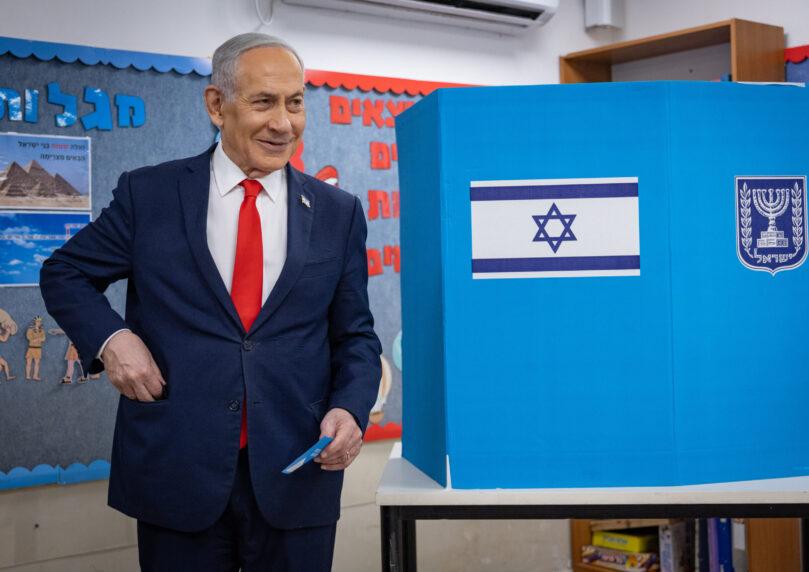

As Israeli citizens arrived at polling stations across the country on Tuesday to vote in the elections for the 26th Knesset, the electoral drama was closely followed across the border in Iran. Persian-speaking social media users inside the Islamic Republic expressed open support for Prime Minister Benjamin Netanyahu, wishing for his victory in the hope that his continued leadership will sustain unyielding military pressure on the clerical regime in Tehran and accelerate political change, Iran International reported.
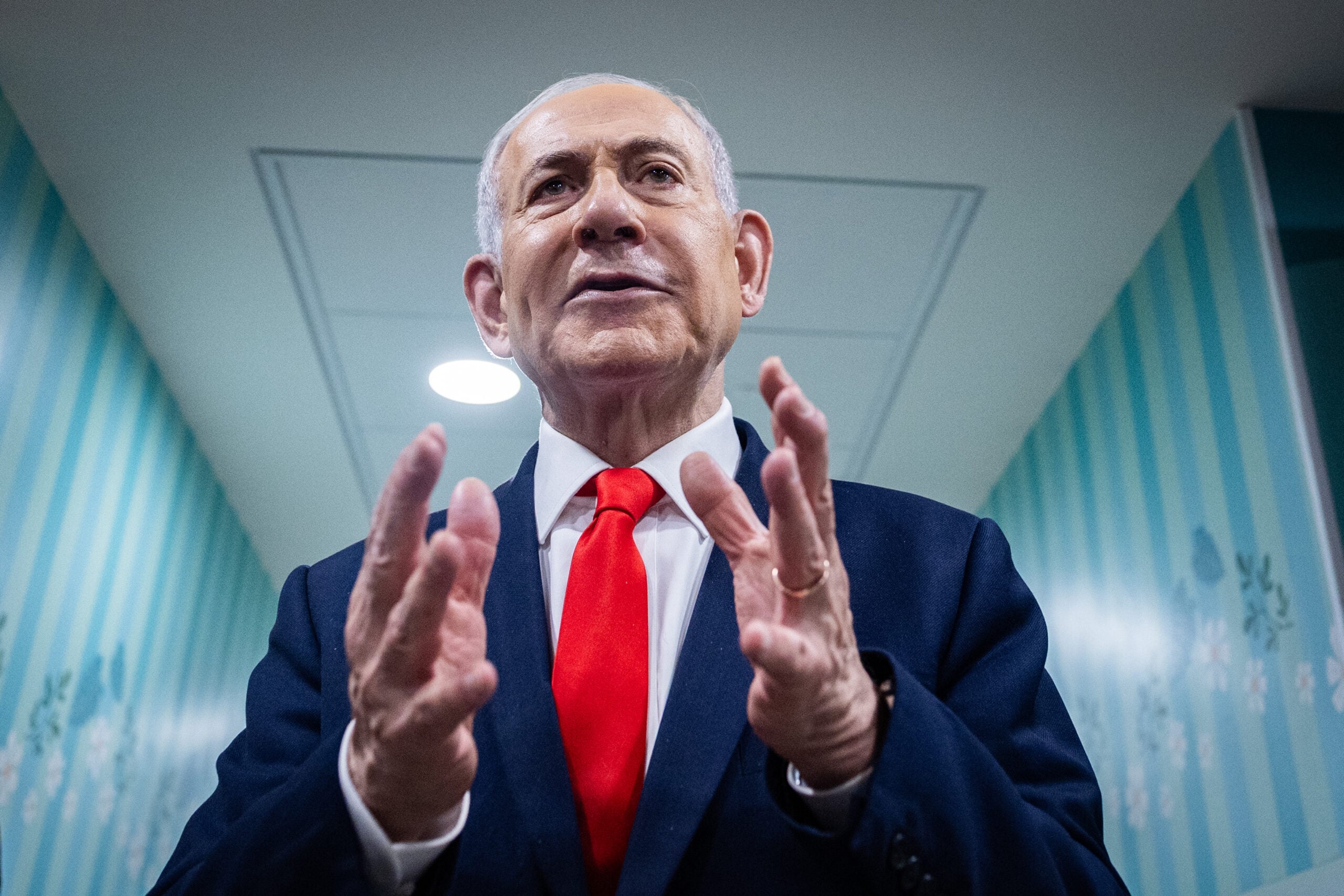
Dozens of comments and posts flooded Persian digital platforms as balloting began, with numerous Iranian citizens articulating an open desire to see Netanyahu remain at the helm of Israel’s defense posture. “I wish that we, the citizens of Iran, could also vote,” one user commented in response to a post covering the prime minister’s campaign.
Another commenter went further, saying he had taken traditional religious vows in hopes of securing a Netanyahu victory: “I promised a thousand blessings and twelve candles so that Bibi wins,” an appeal that quickly went viral across Persian opposition networks.
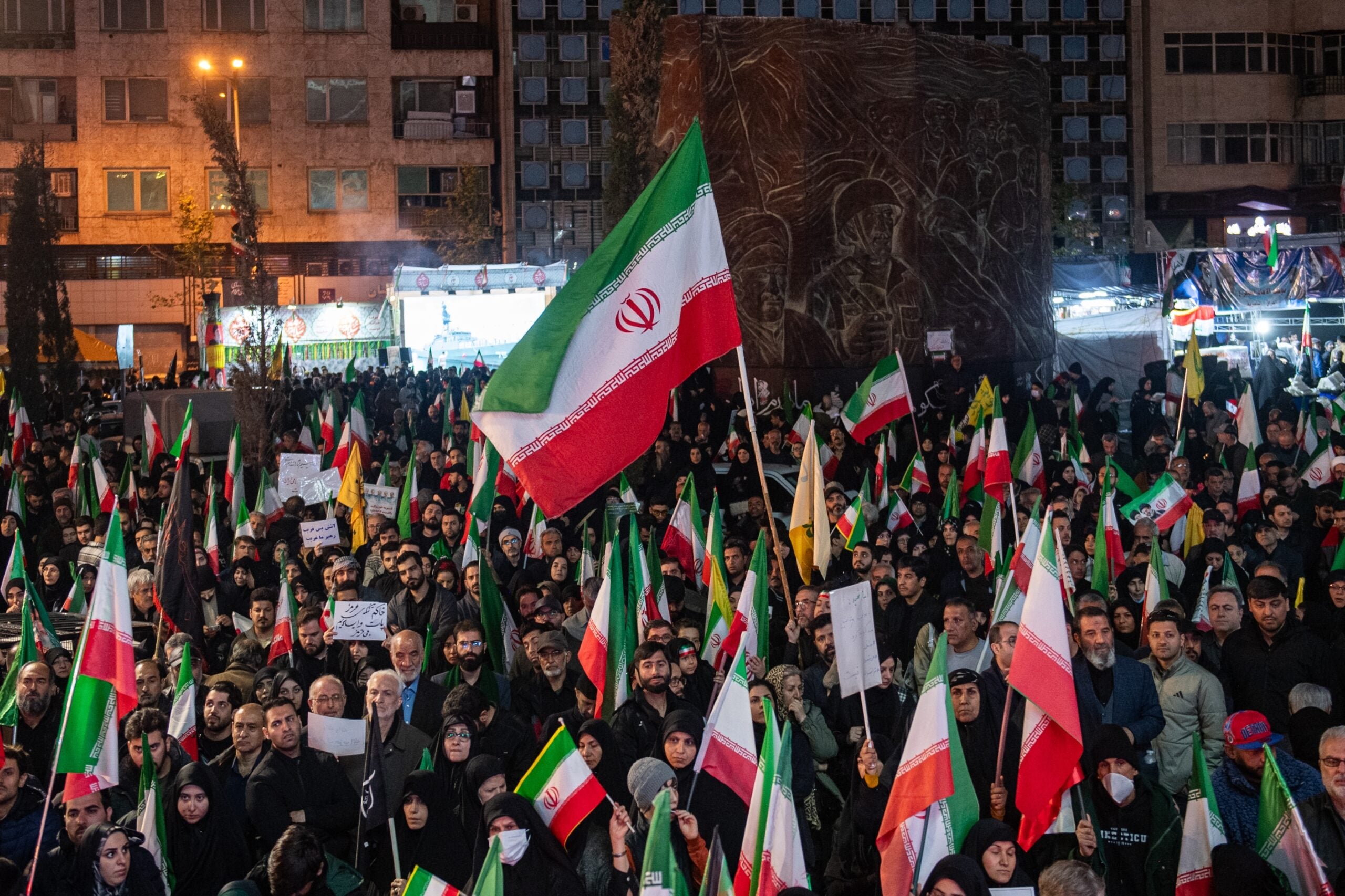
According to Iran International, hundreds of Persian-language reactions centered around the Israeli vote, with respondents viewing Netanyahu’s tenure as an essential counterweight to Islamic Republic hegemony. For many dissidents, the hope for an electoral triumph is directly linked to decisive military strikes executed against Iranian military installations, missile factories, and nuclear facilities—including Operation “Nation Like a Lion” in June 2025 and subsequent coordinated strikes conducted alongside the United States military in February 2026.
This dynamic has given rise to distinctive affectionate nicknames among Persian-speaking circles.
Supporters often refer to the Israeli prime minister as “Bibi Joon”—a traditional Persian term of endearment meaning “Beloved Bibi”—or “Bibi Gol,” drawn from a widely recognized love song by Iranian pop singer Moein.
Netanyahu has acknowledged the phenomenon in international media interviews, citing the affection ordinary Iranians show him as they resist the theocracy.
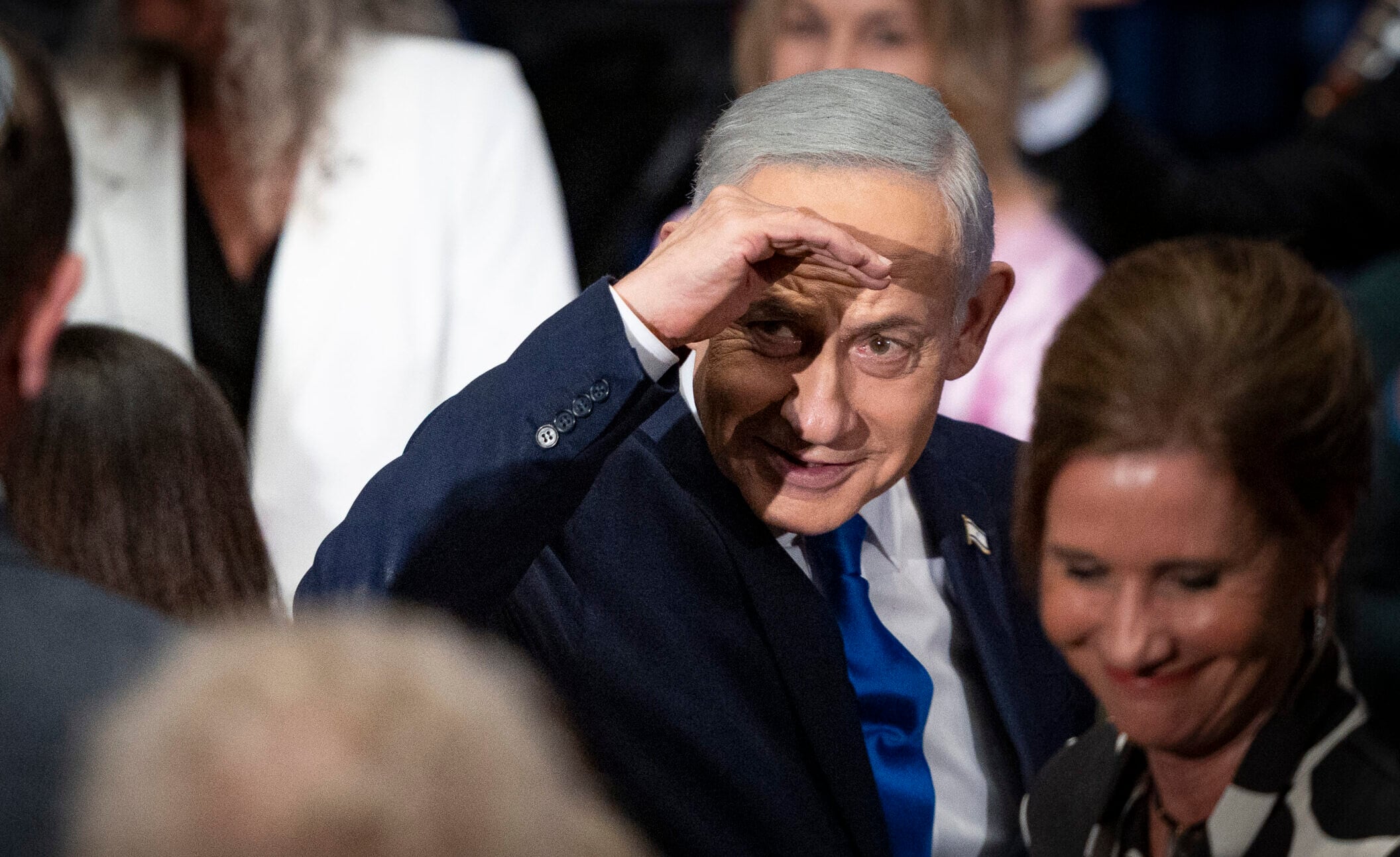
Another interesting data point in the report comes from a survey by the GAMAAN research institute, conducted in June 2026 among more than 31,000 participants. Sentiment on social media mirrors empirical survey data compiled by the independent research institute GAMAAN. In a weighted online study conducted in June 2026 among more than 31,000 respondents within Iran, 50.6% expressed a favorable opinion of Netanyahu, compared to 38.1% who held an unfavorable view.
Alongside congratulatory notes and expressions of political support, some Persian users paired their endorsements with demands for intensified direct action against the regime. One user openly questioned why Israel had not delivered a decisive military blow to dismantle the Islamic Republic before election day, underscoring the degree to which domestic Iranian dissenters view Israel’s leadership as an active partner in their own struggle for liberation.